Storage: How Long Does Coffee Stay Fresh?
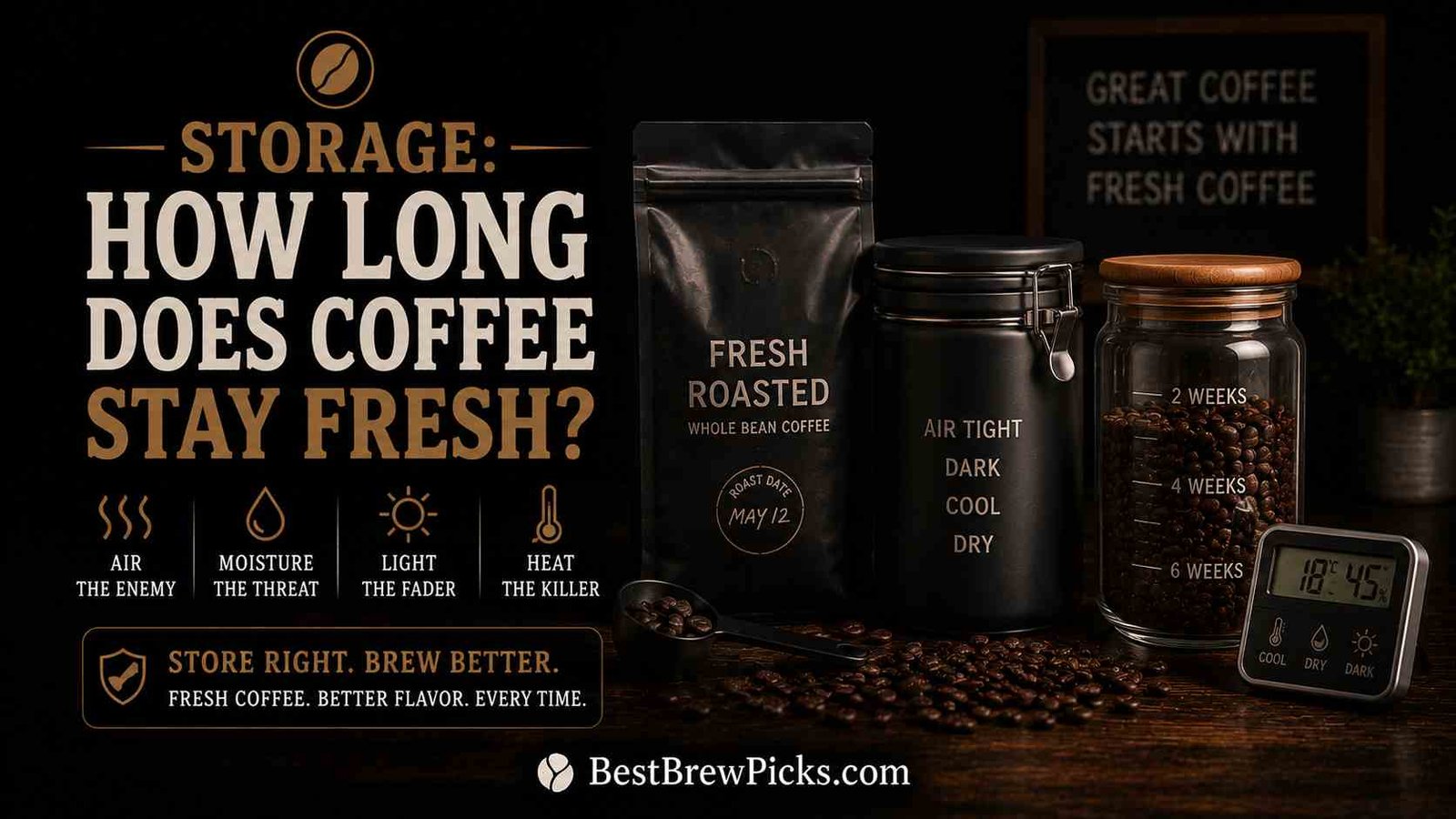
Storage: How Long Does Coffee Stay Fresh? depends on how the coffee is packaged, whether it is whole bean or ground, and how much air, heat, light, and moisture it faces after opening. Coffee stays freshest when you keep it sealed, cool, dry, and away from oxygen, because those are the main forces that make flavor fade.
This matters because freshness has a direct effect on flavor, aroma, and brew quality. Many US coffee drinkers buy better beans but lose the benefit by storing them incorrectly on the counter, in the fridge, or in a loosely closed bag. As a result, even great coffee can taste flat, stale, or bitter long before the bag is empty.
This article explains how long coffee stays fresh, what changes that timeline, and how to store whole beans, ground coffee, and brewed coffee the right way. It also compares common storage methods so you can protect taste without making your routine more complicated.
How Coffee Freshness Changes
Coffee freshness is not a single moment. It changes gradually as roasted coffee reacts with oxygen and releases the aromatic compounds that create flavor. Right after roasting, coffee often needs a short resting period so gases can settle. After that, freshness begins to decline as aroma and sweetness fade. Therefore, the question is not just whether coffee is fresh, but how fast it is losing quality.
Whole beans hold onto freshness longer than ground coffee because they expose less surface area to air. Once you grind coffee, oxidation speeds up dramatically. That means the clock moves faster the moment the beans turn into grounds. In contrast, whole beans can stay flavorful for a longer period if they remain sealed and protected.
Freshness affects more than smell. It changes body, sweetness, acidity, and finish too. A fresh coffee often tastes brighter and more complete. An older coffee may still brew fine, but it usually tastes muted, flat, or dry. As a result, freshness shapes both the first sip and the aftertaste.
Why roast date matters
Roast date matters because coffee starts changing as soon as roasting ends. A recent roast usually tastes more aromatic and lively than an old one.
That is why bags with a clear roast date usually offer better buying decisions. You can judge freshness instead of guessing.
Why aroma fades first
Aroma fades first because many of coffee’s most delicate compounds escape quickly. Once those aromas weaken, the cup feels flatter even if the beans still look fine.
That is often the first sign that coffee has moved past its peak. It usually shows up before the coffee tastes obviously bad.
How Long Different Coffee Stays Fresh
How Long Does Coffee Stay Fresh? depends on the form of the coffee and how it is stored. Whole beans usually stay at peak quality for about 2 to 4 weeks after roasting once opened, although they can remain usable for longer if protected well. Ground coffee usually peaks for a shorter period because grinding exposes more surface area. Brewed coffee declines even faster because it is already mixed with water and exposed to air.
Unopened bags can stay good for longer than opened bags because the package still limits oxygen exposure. A properly sealed bag of whole beans may taste reasonably fresh for several weeks beyond roasting if it stays unopened and stored well. Once opened, however, the decline speeds up. Ground coffee can lose noticeable aroma within days after opening if the bag is left loosely closed. Brewed coffee, in contrast, often tastes best soon after brewing and begins to lose quality within an hour or two.
Freezing can extend the life of coffee if you do it correctly, but it works best for whole beans rather than ground coffee. You should freeze coffee in airtight portions and avoid repeated thawing. In contrast, putting coffee in and out of the freezer repeatedly creates moisture problems and flavor loss. Therefore, freezing works as a backup storage method, not as a daily habit.
Whole beans
Whole beans usually stay freshest the longest after opening. They protect the coffee’s flavor compounds better than pre-ground coffee.
If you brew often, whole beans are usually the better choice. They give you more control over flavor over time.
Ground coffee
Ground coffee loses freshness much faster than whole beans. That does not make it bad, but it does make storage more important.
If you buy pre-ground coffee, use it quickly and keep it sealed tightly. The sooner you brew it, the better it will taste.
Brewed coffee
Brewed coffee has the shortest shelf life in flavor terms. It starts changing as soon as it sits in the pot or cup.
If you want the best taste, drink brewed coffee soon after brewing. Waiting too long usually makes it taste stale or harsh.
Best Ways to Store Coffee
The best way to store coffee is to keep it in an airtight container in a cool, dry, dark place. That combination slows oxidation, protects aroma, and keeps moisture away from the beans. A pantry or cupboard usually works better than a countertop because it blocks light and heat more effectively. Therefore, simple storage often works better than fancy storage gear.
The original bag can work if it has a strong resealable closure and a one-way valve. However, a dedicated airtight canister usually gives you more protection once the bag is opened. Glass jars can work too, but only if they seal tightly and stay away from heat and light. In contrast, decorative containers that do not seal well can make coffee lose flavor faster.
You should avoid storing coffee in the fridge. Refrigerators create moisture and odor problems, and coffee can absorb smells from nearby foods. The freezer can work for long-term storage, but only with airtight, portioned packaging. That means the fridge is usually a poor choice and the freezer is only useful when used carefully.
Airtight containers
Airtight containers give the best everyday protection. They limit oxygen and help keep the coffee’s aroma intact.
Choose a container that closes firmly and stays in a stable place. That simple setup usually works well for most homes.
What not to do
Do not leave coffee on top of the coffee machine or next to the stove. Heat speeds up flavor loss.
Do not store it in the fridge unless you have a very specific long-term plan. Moisture and odors usually cause more harm than help.
Signs Coffee Is No Longer Fresh
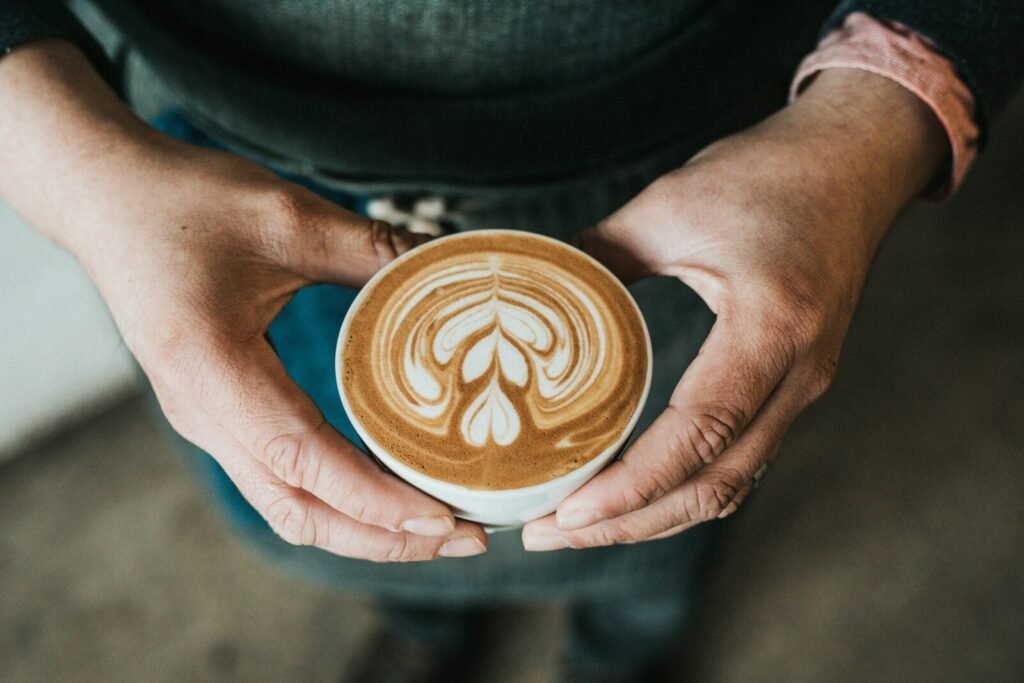
Signs coffee is no longer fresh usually show up in the smell before the first sip. Fresh coffee often smells vibrant, sweet, or lively. Older coffee may smell weak, papery, dusty, or flat. Once you brew it, the cup may taste less sweet, less aromatic, and less complex than it should. Therefore, smell is often the easiest freshness test.
The flavor profile also shifts. Fresh coffee tends to show clearer acidity, stronger aroma, and a cleaner finish. Older coffee often loses sweetness first, then clarity, and finally body. In contrast, stale coffee may still taste strong in a bitter or woody way, but that does not mean it is fresh. Strength and freshness are not the same thing.
Visual clues help too. Whole beans that look overly dull or oily can signal aging, although some dark roasts naturally look oilier than light roasts. Ground coffee that has sat open for a while often loses its aroma completely and may taste dusty or cardboard-like. Brewed coffee that sits too long can develop a bitter, harsh edge and lose the pleasant notes that made it taste good at first.
- Weak aroma.
- Flat or papery taste.
- Less sweetness and brightness.
- Harsh or dull finish.
- Ground coffee that smells almost like nothing.
If coffee smells and tastes stale, the beans may simply be past their best window. That does not always make them undrinkable, but it does mean you should expect less flavor. At that point, better storage or smaller purchases will usually help more than changing your brew method.
Practical Buying and Storage Habits
Practical buying habits can protect freshness as much as storage can. Buying smaller bags more often usually gives you fresher coffee than buying a large bag that sits open for months. If you drink coffee daily, that may mean buying enough for two to four weeks at a time rather than stocking up for the season. Therefore, your buying pattern is part of freshness strategy, not just a shopping preference.
Grind only what you need if possible. A home grinder lets you keep whole beans fresher for much longer than pre-ground coffee. If you must buy ground coffee, try to buy it in smaller amounts and use it quickly. In contrast, if you love convenience and brew occasionally, ground coffee still makes sense as long as you accept the shorter freshness window.
Freezing only works well if you portion the coffee before freezing and seal it tightly. Do not thaw and refreeze the same coffee repeatedly. That creates moisture and flavor problems that undermine the benefit. Therefore, freezing should be reserved for coffee you will use later, not for coffee you open every day.
Buy smaller amounts
Smaller bags usually stay fresher because you finish them before they age too much. That is often the easiest improvement.
If you brew daily, two to four weeks of coffee is a good place to start. That pace matches freshness better than bulk buying.
Use the freezer carefully
Freezing can help if you store coffee in airtight portions. It works best when you freeze whole beans and avoid repeated thawing.
If you follow that method carefully, the freezer can extend shelf life without damaging the coffee too much. If you do not, it can make the coffee worse.
Conclusion
Storage: How Long Does Coffee Stay Fresh? depends on bean form, packaging, and how well you protect it from air, heat, light, and moisture. Whole beans usually last longer than ground coffee, and both taste better when kept sealed in a cool, dry, dark place.
The practical answer is simple: buy smaller amounts, store coffee airtight, and grind only what you need. Those habits protect aroma and flavor better than most expensive storage gadgets, and they help every bag taste closer to the way the roaster intended.