Coffee Subscription vs Buying Local: Pros & Cons
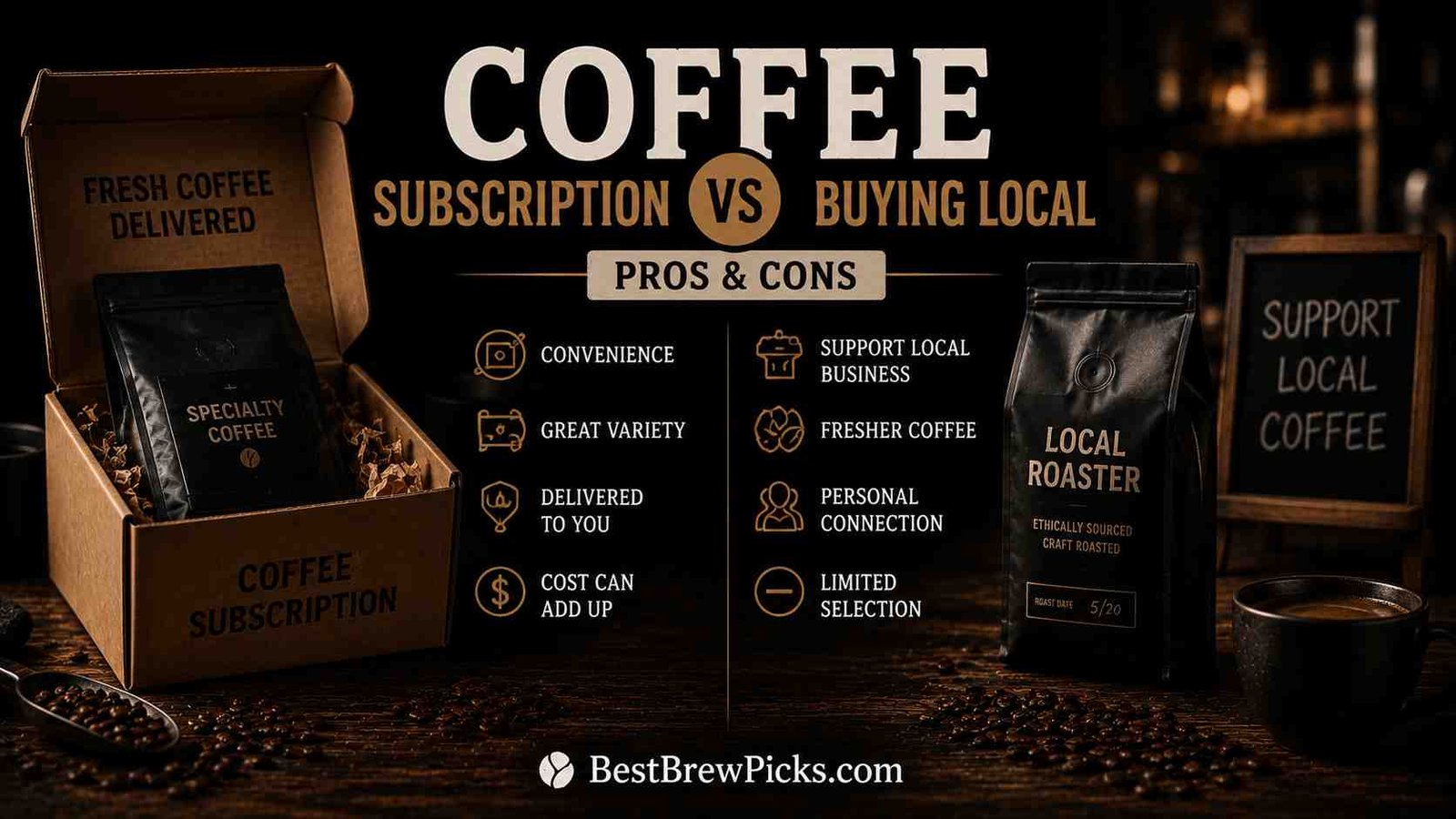
Coffee Subscription vs Buying Local: Pros & Cons compares two common ways to buy coffee so you can decide which one fits your routine, budget, and taste. A subscription delivers coffee on a schedule, while buying local lets you choose beans in person and support nearby roasters or shops.
This matters because coffee buying affects freshness, variety, and long-term cost. Some people want the convenience of automatic delivery, while others want the flexibility of choosing beans on the spot. As a result, the better option depends less on marketing and more on how often you drink coffee, how much control you want, and how important freshness is to you.
This article explains the benefits and drawbacks of subscriptions and local buying, then shows which option works best for different types of coffee drinkers. It also covers value, freshness, and convenience so you can make a choice that matches your daily habits.
Subscription vs Buying Local
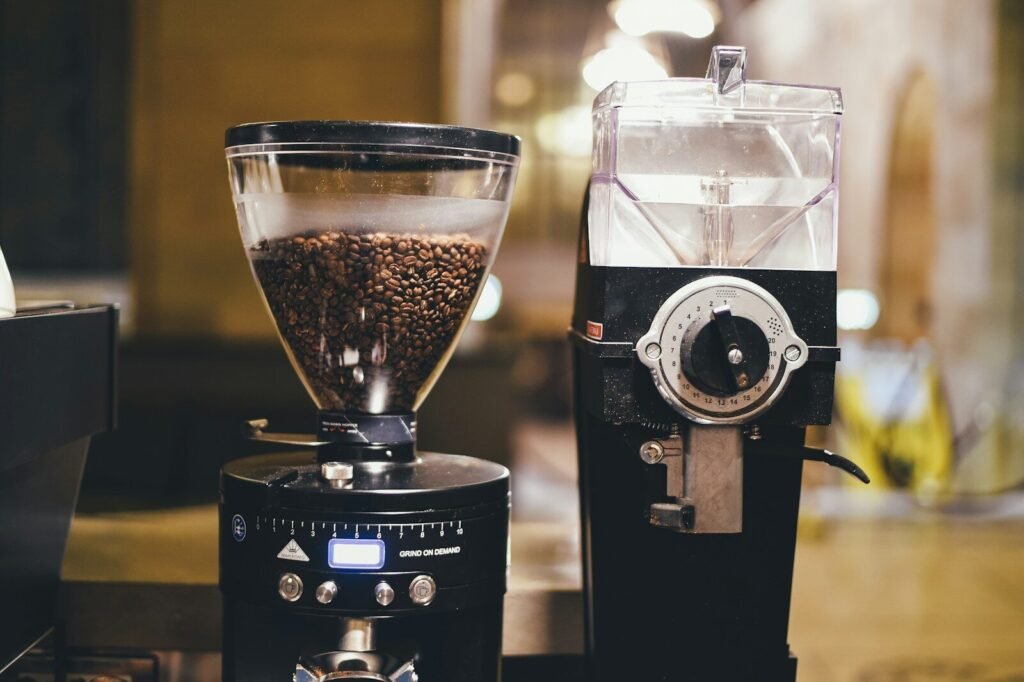
A coffee subscription sends coffee to your door on a recurring schedule. You may get the same roast every month or a rotating selection of beans from different roasters. That makes it easy to stay stocked without thinking about reordering. In contrast, buying local means picking up coffee from a nearby roaster, café, grocery store, or specialty shop whenever you need it. Therefore, the two methods solve the same problem in very different ways.
Subscriptions usually appeal to people who want convenience and consistency. Local buying usually appeals to people who want to choose in person, try new coffees, or support a business near them. Both can work well, but they create different experiences. As a result, the right choice depends on whether you value planning ahead or shopping on demand.
Freshness also works differently in each model. A subscription can be very fresh if the roaster ships soon after roasting, but it can also sit in transit for several days. Local buying can be extremely fresh if the shop turns over beans quickly, but it may be less predictable if the stock sits on shelves for a while. Therefore, freshness is not automatic in either case. It depends on the source and the way the coffee moves to you.
For a broader storage perspective, Storage: How Long Does Coffee Stay Fresh? explains how packaging and time affect flavor. If you want to understand how bean choice affects buying decisions too, Single Origin vs Blended Coffee: Which to Buy? helps you think about variety and consistency.
Subscription in simple terms
A subscription is coffee that arrives automatically. It removes the need to remember reorders.
That convenience can be great for regular drinkers. It may feel like too much commitment for casual buyers.
Buying local in simple terms
Buying local means choosing coffee in person or from nearby sellers. You get immediate control over what you buy.
That flexibility can help when you want to inspect bags, ask questions, or change your choice often.
Cost, Freshness, and Convenience
Cost is one of the biggest differences between coffee subscriptions and buying local. Subscriptions often include shipping, which can raise the total price, but they may also offer discounts or free delivery that improve value over time. Local buying can be cheaper if you avoid shipping and choose from budget-friendly options, but it can also become expensive if the nearby selection is limited to premium bags. Therefore, price depends on both the coffee and the buying method.
Freshness can go either way. A subscription that ships directly from the roaster may arrive very fresh, especially if the roaster packs and sends the beans quickly after roast. Buying local can be just as fresh, or fresher, if the roaster sells beans soon after roasting and moves product quickly. In contrast, if local shelves move slowly or a subscription ships from a warehouse, freshness can suffer. That is why neither method guarantees the best cup automatically.
Convenience is where subscriptions usually win. Once you set the schedule, the coffee comes to you without a separate shopping trip. Buying local takes more effort, but it gives you more freedom to respond to taste changes, budget changes, or unexpected needs. As a result, convenience and flexibility tend to pull in opposite directions.
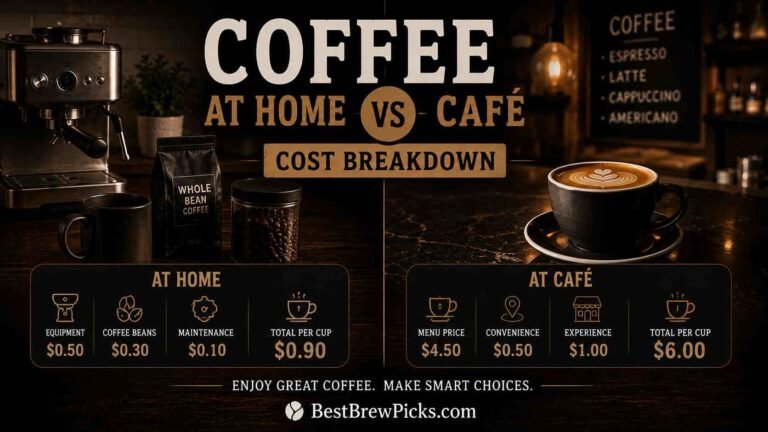
For value comparison at the cup level, Coffee at Home vs Café: Cost Breakdown helps you think about long-term spending. If freshness matters most to you, Whole Beans vs Ground Coffee: Freshness & Flavor explains why storage and grind form change the result.
Cost differences
Subscriptions can save money if they include perks or regular discounts. They can also cost more if shipping and premium roasts add up.
Buying local can be more flexible, but it may not always be cheaper. The final price depends on the shop and the coffee you choose.
Freshness differences
Freshness depends on roast date and handling, not just where you buy. A subscription can be very fresh if shipped quickly.
Local coffee can be excellent too, especially if the shop turns inventory fast. Either way, ask about roast dates when possible.
Convenience differences
Subscriptions reduce effort because coffee arrives automatically. That makes them ideal for people who drink the same amount every month.
Buying local gives you more control but requires more effort. That can be a good trade if you like choosing in person.
When Subscriptions Make Sense
Subscriptions make sense when you drink coffee regularly and want to avoid running out. They are especially useful for people who know what they like and do not want to shop every few weeks. If you brew the same amount every day, a recurring delivery can simplify your routine a lot. Therefore, subscriptions work best for predictable habits.
They also make sense if you live far from a good roaster or if your local options are limited. In that case, a subscription may give you access to better coffee than you could easily buy nearby. Some services also let you choose roast level, grind type, and delivery frequency, which makes them more customizable than they first appear. In contrast, the main downside is that you may end up with too much coffee if your drinking habits change.
Subscriptions can be especially good for people who like trying new beans without searching for them. Rotating deliveries can introduce you to different origins and roasts automatically. That can make coffee more fun if you enjoy discovery. However, it can also make the experience less consistent if you always want the same flavor.
For rotating coffee ideas, Best Coffee Bean Subscription Services helps you see how curated deliveries work. If you need help keeping delivered coffee fresh after it arrives, Storage: How Long Does Coffee Stay Fresh? gives the storage side of the equation.
Best for routine drinkers
If you drink coffee at the same pace every week, a subscription is usually easier to manage. It keeps your supply steady.
That predictability is one of the biggest strengths of the subscription model.
Best for variety seekers
If you like trying different roasters and origins, subscriptions can be exciting. They make discovery easier.
They are a good fit for people who want coffee to feel like an ongoing hobby.
When Buying Local Makes Sense
Buying local makes sense when you want flexibility and immediate access. You can choose exactly what you want, compare bags in person, and bring coffee home the same day. That is useful if you drink coffee irregularly or if you like changing roasts often. Therefore, local buying suits people who value control over automation.
It also makes sense if supporting nearby businesses matters to you. Buying local keeps money in your community and often lets you build a relationship with a roaster or café staff. That can lead to better recommendations and a more personal buying experience. In contrast, subscriptions can feel more convenient but less personal.
Local buying can also help if you are still learning what you like. Seeing bags in person, asking about roast dates, and talking with staff can make it easier to discover your preferences. However, the downside is that you have to make the trip, and the selection may be smaller than what a subscription service can offer online. As a result, local buying is often best for people who want hands-on decision-making.
For guidance on choosing coffee styles, Light Roast vs Dark Roast: Taste Differences helps you narrow down preferences before you buy. If you want a broader origin perspective, Single Origin vs Blended Coffee: Which to Buy? gives useful buying context.
Best for flexible buyers
If you change your coffee preferences often, local buying is easier. You can switch quickly without adjusting a subscription.
That freedom can be more valuable than automatic delivery for many drinkers.
Best for community support
If supporting local businesses matters to you, buying local is the better choice. It keeps your spending close to home.
It also gives you a more personal buying experience, which many coffee drinkers enjoy.
How to Decide
The right choice depends on your habits more than on the marketing claims behind each option. Choose a subscription if you want convenience, regular delivery, and predictable consumption. Choose local buying if you want freedom, in-person selection, and the ability to support nearby businesses. Therefore, the decision is really about matching the buying method to your routine.
Ask yourself how often you buy coffee, how much variety you want, and how important freshness is to you. If you hate running out, a subscription may reduce stress. If you like browsing and trying new bags on your own schedule, local buying may feel more satisfying. In contrast, if you only drink coffee occasionally, neither method needs to be complicated. Just buy enough to stay fresh without overcommitting.
You can also split the difference. Some people subscribe for their daily beans and still buy locally for special roasts or fun discoveries. That hybrid approach can offer the best of both worlds. As a result, you do not always have to choose one method forever. The best coffee plan is often the one that changes with your needs.
For better decision-making around buying habits, Best Coffee Roasters by Region: US-based helps you think about local sources. If you are trying to save money while keeping coffee quality high, Coffee at Home vs Café: Cost Breakdown shows how buying habits affect your budget over time.
Conclusion
Coffee Subscription vs Buying Local: Pros & Cons comes down to a simple tradeoff between convenience and control. Subscriptions are best for steady drinkers who want automatic delivery and predictable supply. Local buying is best for people who want flexibility, community support, and in-person selection.
Neither option is always better. The right choice is the one that keeps your coffee fresh, fits your budget, and matches how you actually buy and drink coffee.