
AeroPress vs Moka Pot: Which is Better?

AeroPress vs Moka Pot: Which is Better? compares two popular manual brewing methods that use pressure to create concentrated coffee without an espresso machine. The AeroPress uses immersion and gentle manual pressure, while the Moka Pot relies on stovetop steam pressure to push water through grounds.
This comparison matters because both brewers cost far less than espresso machines but deliver stronger coffee than drip or pour over. Home brewers who want bold flavor without a big investment often choose between these two methods, yet they produce very different cups in terms of body, clarity, and cleanup.
This article explains how each brewer works, how their flavor profiles differ, and which one suits different routines. It also covers speed, portability, and real-world tradeoffs so you can choose based on your taste goals and daily habits rather than marketing claims.
How Each Brewer Works
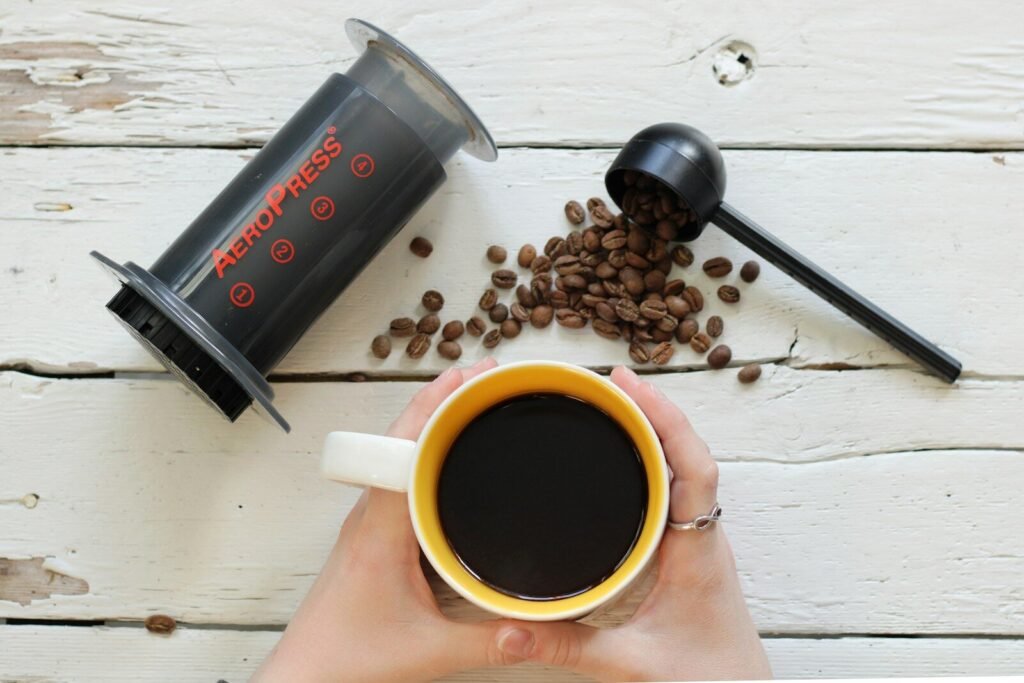
AeroPress and Moka Pot brewing both use pressure, but they generate it differently. The AeroPress combines immersion brewing with manual pressure from a plunger. You add medium-fine grounds and hot water to a chamber, stir briefly, then press the plunger down to force the coffee through a filter. This creates approximately 0.35 to 0.7 bar of pressure, which is enough to speed up extraction without reaching true espresso levels.
The Moka Pot uses stovetop heat to boil water in a bottom chamber. Steam pressure builds to roughly 1.5 to 2 bar and pushes water upward through a bed of coffee grounds into a top chamber. According to the Specialty Coffee Association, optimal brew water falls between 195 and 205 degrees Fahrenheit, which applies to both methods. However, the Moka Pot often exceeds this range slightly because the water must boil to create steam, which can extract hotter and faster than the AeroPress.
That temperature difference matters. The AeroPress gives you more control because you pour water at your chosen temperature, while the Moka Pot depends on the stove. Therefore, the AeroPress usually produces more consistent results once you learn the technique, while the Moka Pot requires careful heat management to avoid burning the coffee.
For the bigger equipment picture, The Complete Coffee Guide: Machines Methods & Beans explains how these manual methods fit alongside espresso and drip brewing. If you want to understand how pressure affects extraction, Espresso Machine vs Coffee Maker: Which to Buy? gives useful context on true espresso machines.
Why Pressure Changes the Cup
Pressure affects how quickly water dissolves coffee compounds. Higher pressure extracts more oils and solids in less time, which creates stronger, thicker coffee. The Moka Pot generates more pressure than the AeroPress, so it produces a cup closer to espresso in intensity.
However, pressure also affects flavor balance. The AeroPress uses gentler pressure, which extracts fewer bitter compounds and preserves more acidity. That creates a smoother, more balanced cup that many drinkers find easier to enjoy black. The Moka Pot extracts more aggressively, which can taste bitter or burnt if the heat runs too high or the grind is too fine.
Grind size also changes with pressure. The AeroPress works best with medium-fine grind, similar to table salt. The Moka Pot needs fine grind, closer to espresso, because the water passes through quickly and needs more surface contact. Therefore, a good burr grinder helps both methods, but the Moka Pot is less forgiving of inconsistent grind size.
For a deeper look at how grind affects these methods, Coffee Grinder Types Explained helps you choose the right grinder for immersion and pressure brewing.
Flavor, Strength, and Body Compared
Flavor, strength, and body diverge sharply between these two methods. The AeroPress produces a clean, smooth cup with lower acidity and more clarity. Its paper or metal filter removes most oils and fines, which lets subtle origin notes shine through. You can also adjust the recipe easily by changing grind size, water ratio, or brew time.
The Moka Pot creates a bolder, more intense cup that many drinkers compare to espresso. It uses a metal filter that allows oils and some sediment into the final brew, which increases body and richness. The steam extraction also pulls more roasted, bitter compounds, so the cup tastes heavier and more concentrated.
That contrast means the AeroPress suits people who want nuance and balance, while the Moka Pot suits people who want strength and richness. If you drink single-origin light roasts, the AeroPress usually highlights fruity or floral notes better. If you prefer dark roasts or milk drinks, the Moka Pot gives you the intensity that cuts through dairy.
For a deeper look at how roast style changes these results, Light Roast vs Dark Roast: Taste Differences helps you match your beans to your brewer. If you want to learn the actual Moka Pot workflow, Moka Pot Brewing: Step-by-Step gives a practical starting point.
Speed, Cleanup, and Everyday Use
Speed, cleanup, and everyday use also separate these brewers. The AeroPress brews in roughly one to two minutes after heating water, and cleanup takes seconds because you simply eject the coffee puck and rinse the parts. Its lightweight plastic body makes it a favorite for travelers, campers, and office workers.
The Moka Pot takes five to eight minutes on the stove, plus time to cool before disassembly. You must empty the grounds from the metal basket, rinse the chambers, and dry the parts to prevent oxidation. That extra effort adds up if you brew multiple times daily.
Portability favors the AeroPress strongly. It weighs less than a pound, fits in a backpack, and needs no electricity. The Moka Pot is heavier, bulkier, and requires a heat source. While you can take a small Moka Pot camping, it demands more packing space and setup time.
For brewing technique help, AeroPress Brewing Techniques for Best Results covers recipes and timing.
Cost Comparison
Cost comparison shows both methods remain affordable. A basic AeroPress costs around thirty to forty dollars, while a standard Moka Pot costs twenty-five to eighty dollars depending on size and brand. Neither requires paper filters if you use the metal disc, though the AeroPress works better with its proprietary paper or reusable metal filters. Over time, both cost far less than capsule systems or café visits.
Real-world cost per cup also matters. The AeroPress uses about fifteen to twenty grams of coffee per brew, while the Moka Pot uses similar amounts but can serve multiple cups at once in larger models. If you drink one cup daily, the AeroPress is slightly more economical. If you serve two or more people, the Moka Pot can be more efficient.
That cost difference is small compared to the savings both methods offer over café coffee. A daily café habit can cost over one thousand dollars per year, while either of these brewers pays for itself within weeks.
Which One Fits Your Routine

Which one fits your coffee routine depends on what you value most. The AeroPress wins on portability, cleanup, and flavor clarity. The Moka Pot wins on boldness, tradition, and the ability to serve multiple cups at once.
Choose the AeroPress if you want a clean, versatile brewer that travels easily and lets you experiment with recipes. Choose the Moka Pot if you want a strong, espresso-like cup for lattes or morning intensity, and you do not mind stovetop brewing and longer cleanup.
Both methods have limits. The AeroPress does not make true espresso or large batches. The Moka Pot does not deliver the clarity of pour over or the consistency of automatic drip. However, both remain excellent low-cost options that outperform their price point when you use them correctly.
Practical Use Cases
Practical use cases help clarify the decision. The AeroPress works best for single drinkers who want quick, clean coffee without a big footprint. It also suits travelers, students, and office workers who need a portable brewer that works with just hot water and a mug.
The Moka Pot works best for households that want strong coffee for multiple people. It also suits people who enjoy the ritual of stovetop brewing and want a more traditional Italian-style cup. Additionally, the Moka Pot pairs well with milk drinks because its intensity holds up against dairy.
Neither method suits people who want one-button convenience. Both require attention to grind, water, and timing. However, the AeroPress is more forgiving of mistakes because you control every variable manually. The Moka Pot punishes inattention more harshly because overheating creates burnt, bitter coffee quickly.
What These Brewers Do Not Do
What these brewers do not do matters as much as what they do. The AeroPress does not make true espresso because it lacks the nine bars of pressure that define espresso extraction. It also does not brew large batches, so serving more than one person requires multiple brews.
The Moka Pot does not make true espresso either, despite common misconceptions. Its 1.5 to 2 bars of pressure create concentrated coffee, but the extraction dynamics differ from espresso machines. It also does not produce the clean, bright cups that pour over or AeroPress methods deliver.
Both methods also demand good beans and proper grinding. A blade grinder creates uneven particles that extract poorly in both brewers. Therefore, investing in a burr grinder often improves results more than upgrading the brewer itself.