Espresso Machine vs Coffee Maker: Which to Buy?
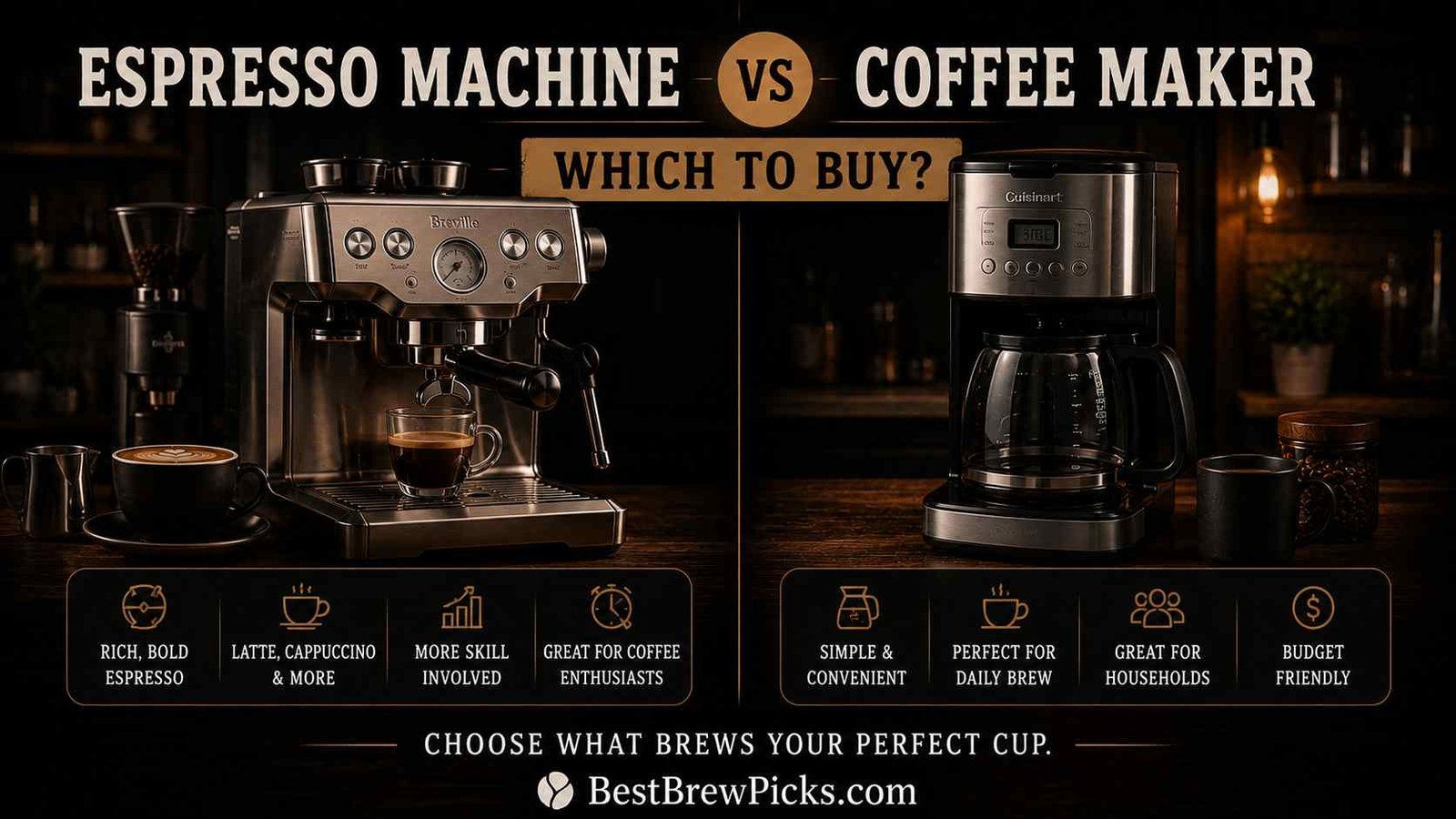
Espresso Machine vs Coffee Maker: Which to Buy? depends on how you like your coffee, how much time you want to spend brewing, and how much you want to invest in equipment. Espresso machines create a concentrated, pressure-brewed shot, while coffee makers brew a larger, lighter cup that is easier and faster to make.
This matters because the two machines solve different problems. Many US coffee drinkers assume they need espresso if they want “strong” coffee, but strength, flavor, and convenience do not mean the same thing. As more people build home coffee setups in 2026, choosing the right machine can save money, reduce frustration, and make daily coffee far more satisfying.
This article explains how espresso machines and coffee makers differ in taste, cost, space, upkeep, and everyday use. It also shows which machine fits different types of drinkers so you can choose the one that actually matches your routine instead of guessing based on popularity alone.
What Each Machine Does?
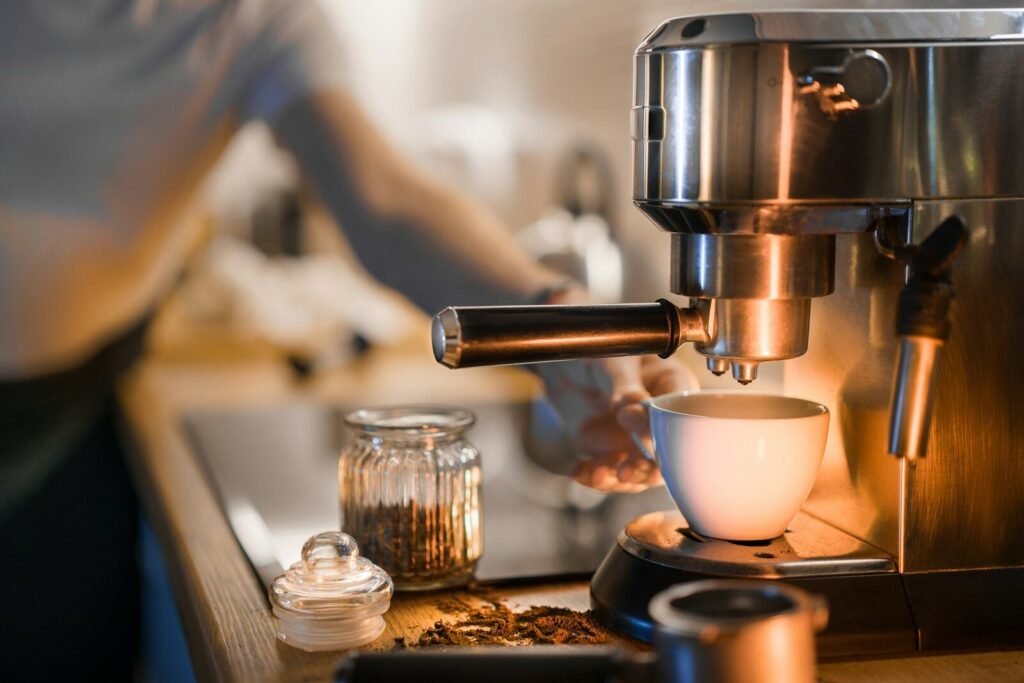
An espresso machine brews coffee by pushing hot water through finely ground coffee under pressure. That pressure creates a concentrated drink with a heavier body, more intensity, and a layer of crema on top when the shot is made well. A coffee maker, usually a drip machine, brews by slowly passing hot water over medium-ground coffee and letting gravity collect the brew in a carafe. Therefore, the two machines produce very different cups even when they use the same beans.
Espresso focuses on concentration and texture. A standard coffee maker focuses on volume and ease. In contrast, espresso often needs more control over grind size, dose, and timing, while a coffee maker usually works with a simpler set of variables. That difference affects both the coffee in the cup and the experience of making it.
This also changes the type of coffee each machine highlights. Espresso can make sweetness, body, and roast character feel intense. Coffee makers often create a cleaner, larger cup that lets you drink more coffee with less effort. As a result, the better machine depends on whether you want a short, concentrated drink or a larger everyday mug.
For more espresso-specific context, Complete Guide to Espresso Pulling Shots explains how pressure and extraction shape the shot. If you want to compare coffee formats further, Espresso Shot Tasting: Crema Body Finish shows how espresso differs from drip coffee in the cup.
Espresso in simple terms
Espresso is small, concentrated, and intense. It gives you a short drink with a thick mouthfeel and strong flavor.
It works well for straight shots and milk drinks. However, it asks more from the grinder and the brewer.
Coffee maker in simple terms
A coffee maker is larger, easier, and more forgiving. It brews several cups at once with less attention to fine adjustments.
That makes it a strong choice for daily convenience. It is usually the better option for families or office-style routines.
Taste and Brewing Differences
Espresso Machine vs Coffee Maker: Which to Buy? often comes down to taste. Espresso usually tastes more concentrated, richer, and heavier. It can show sweetness, bitterness, acidity, and roast character in a very compact form. Coffee made in a drip machine usually tastes lighter, cleaner, and less intense per sip, although it can still have excellent flavor and complexity. Therefore, the same bean can taste dramatically different depending on the machine.
Espresso highlights body and intensity because pressure extracts coffee quickly and concentrates the result. That makes it ideal for people who enjoy short, bold drinks or milk-based drinks like lattes and cappuccinos. Drip coffee, on the other hand, gives you more volume and often a more relaxed flavor profile. It may not feel as intense, but it often works better for slow sipping and multiple cups across the morning.
Brewing control also differs. Espresso requires more precision because small mistakes in grind, dose, or tamping can change the shot a lot. Coffee makers are generally more forgiving and easier for beginners to use consistently. As a result, espresso rewards hands-on users, while coffee makers reward convenience and reliability.
For brew and flavor context, How to Brew the Perfect Cup of Coffee shows how brew variables affect taste. If roast level is part of your decision, Light Roast vs Dark Roast: Taste Differences helps explain how the same coffee can taste different in each machine.
Strength is not the same as caffeine
Espresso tastes stronger because it is more concentrated, but that does not always mean it has more caffeine per serving than drip coffee. The serving size matters.
A larger cup of drip coffee can deliver more total caffeine because you drink more liquid. Therefore, “stronger” and “more caffeine” are not always the same thing.
Which machine shows more coffee detail
Espresso often shows more body and roast character. Drip coffee often shows more clarity and subtlety across a bigger serving.
That means flavor preference should guide your choice more than machine reputation. The right machine is the one that matches the taste you want most often.
Cost, Space, and Maintenance
Cost is usually one of the biggest differences between the two. A basic coffee maker often costs far less than a good espresso machine. Even an entry-level espresso setup usually needs a decent grinder, which adds to the total. Therefore, the real cost comparison should include both the machine and the supporting gear, not just the sticker price.
Maintenance also matters. Coffee makers are usually simpler to clean and easier to keep running well. Espresso machines need more attention because they have more moving parts, pressure systems, and scale-sensitive components. That means espresso ownership often takes more time and care. In contrast, drip coffee makers usually ask for less hands-on work once they are set up.
Space can also affect the decision. Espresso machines often take up more counter space and may need accessories like a grinder, tamper, and milk pitcher. Coffee makers are usually more compact and simpler to store. If your kitchen is small or your routine is rushed, that difference can matter more than flavor nuance. Therefore, practical fit should weigh heavily in the decision.
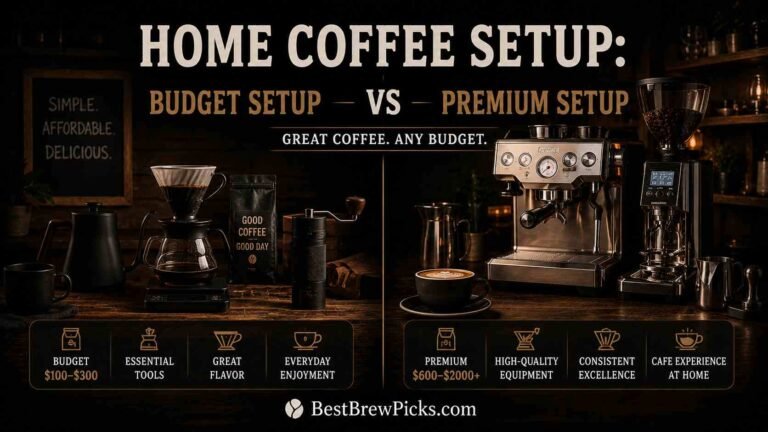
For maintenance context, How to Clean an Espresso Machine Properly shows why espresso setups need more care. If you are also comparing home setups by budget, Home Coffee Setup: Budget vs Premium Setups helps you see the full cost picture.
- Choose a coffee maker if you want lower upfront cost.
- Choose espresso if you want more intensity and are willing to invest more.
- Choose a coffee maker if you want easier maintenance.
- Choose espresso if you enjoy dialing in and learning the process.
- Choose the smaller option if counter space is tight.
Cost per cup also differs in practice. Coffee makers often use less expensive gear and simpler beans, which can make them a strong value for daily brewing. Espresso can be more expensive to set up, but it may feel worth it if you regularly buy espresso drinks from cafes and want that experience at home. As a result, the “better value” machine depends on how often you use it and what you usually spend outside the home.
Which Machine Fits You
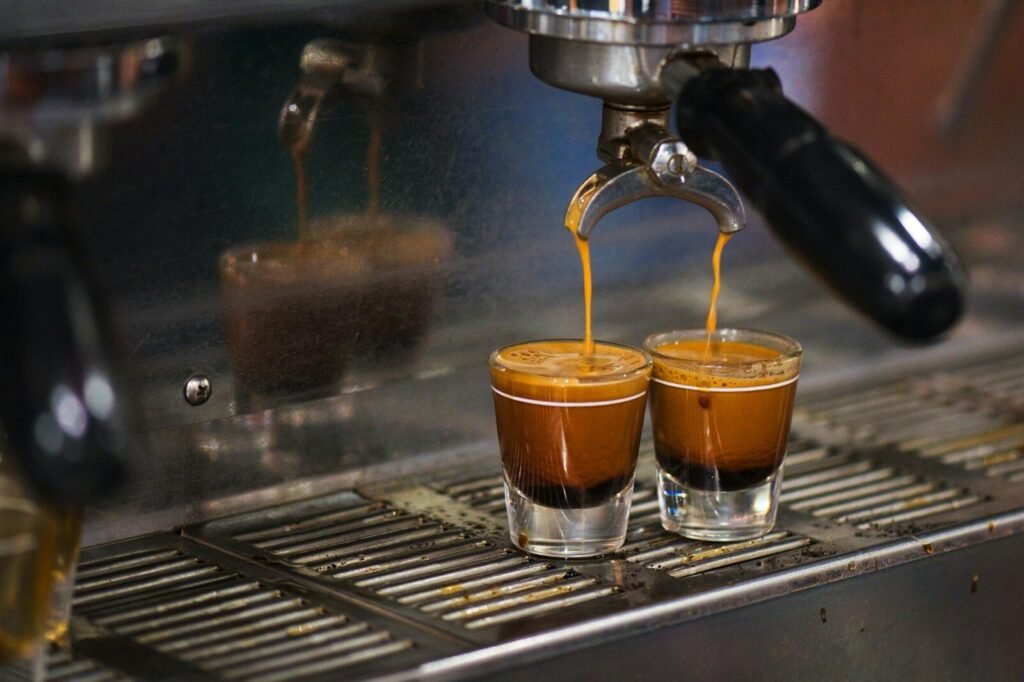
The better machine depends on your habits. Choose an espresso machine if you want concentrated coffee, enjoy milk drinks, and do not mind learning a more technical brewing style. Choose a coffee maker if you want an easier routine, larger servings, and a lower total cost of ownership. Therefore, the question is less about which machine is better overall and more about which one fits your life better.
If you like cappuccinos, lattes, or straight shots, espresso makes sense. If you want a mug you can sip for a while or share with other people, a coffee maker usually makes more sense. In contrast, if you brew only once in a while, a coffee maker may stay simpler and cheaper to maintain. If you love the idea of crafting drinks and learning more about extraction, espresso may be a more rewarding long-term hobby.
For many beginners, the best choice is the one that removes friction. A coffee maker often wins on convenience and consistency. For enthusiasts who want more control and a stronger café-style experience, espresso often wins on flavor and versatility. That tradeoff makes both machines useful, just in different ways.
For more machine comparison help, Best Coffee Makers Under $100 helps budget shoppers choose a simpler setup. If your interest leans toward espresso, Best Espresso Machines for Home Use gives a good next step for shoppers who already know they want pressure brewing.
Best for beginners
Beginners usually do better with a coffee maker because it is easier to use and more forgiving. It gets you to a good cup faster.
If you want to learn espresso later, starting with drip coffee can still teach you a lot about freshness, ratio, and taste.
Best for enthusiasts
Enthusiasts often prefer espresso because it offers more control and more ways to refine the cup. It also opens the door to milk drinks and café-style drinks at home.
That control comes with more work, but many coffee lovers enjoy that part of the process.
Conclusion
Espresso Machine vs Coffee Maker: Which to Buy? comes down to what you want from your daily coffee routine. Espresso gives you concentration, intensity, and café-style drinks, while a coffee maker gives you simplicity, volume, and lower cost.
If you want the easiest path to a good mug of coffee, a coffee maker is usually the better choice. If you want more control, more flavor intensity, and more drink options, an espresso machine is often worth the extra effort and cost.