Best Coffee Makers Under $100
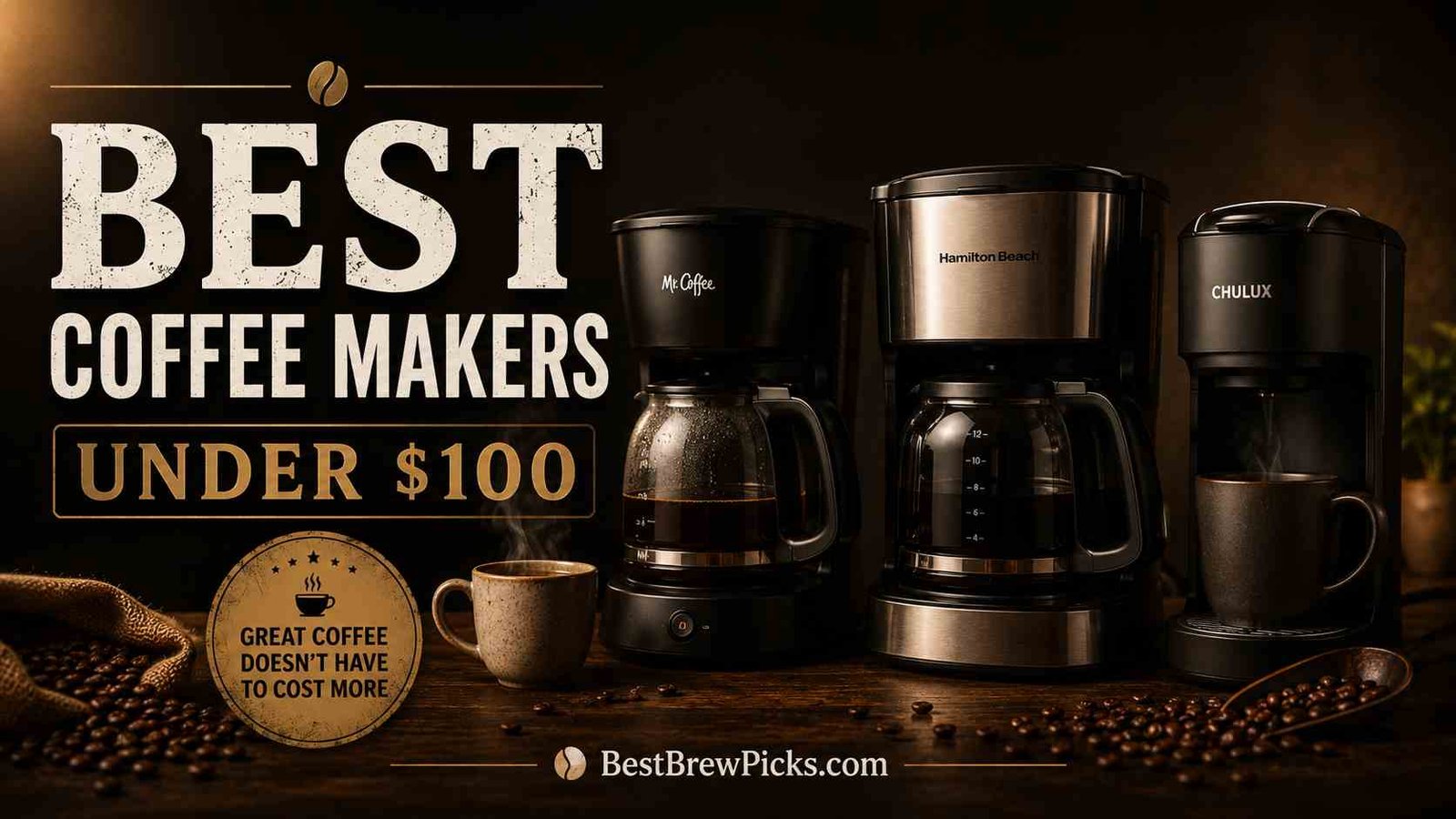
Best Coffee Makers Under $100 helps you find a reliable brewer without overspending on features you may not use. This guide focuses on machines that make good everyday coffee, fit common kitchen setups, and give the best value for budget-conscious buyers.
Budget matters here because a coffee maker should improve your routine, not strain it. Many low-cost brewers work well for basic drip coffee, but the right choice depends on capacity, brew speed, consistency, and how much cleanup you can tolerate.
This article covers the best coffee makers under $100, what features actually matter, and where budget brewers usually compromise. It also explains when a cheaper machine beats a premium one and when spending more makes sense.
What Budget Buyers Need
A coffee maker under $100 can still deliver excellent daily coffee if it heats water properly, brews at a steady pace, and uses a decent showerhead or spray pattern. The Specialty Coffee Association recommends a brew temperature range of 195 to 205°F, which gives you a benchmark for whether a brewer can extract coffee well.
That temperature range matters because weak heating leads to flat, sour coffee, while unstable heating can create bitter or uneven results. A machine does not need luxury features to perform well, but it does need basic thermal consistency.
For a broader buying framework, The Complete Coffee Guide: Machines Methods & Beans explains how brewer type shapes flavor and convenience. If you want to compare budget and premium builds, Home Coffee Setup: Budget vs Premium Setups shows where extra spending helps and where it does not.
What to look for first
Start with brew quality, not features. A simple machine with stable heat and a reasonable carafe often performs better than a flashy model with presets you will never use.
Capacity also matters. A 5-cup or 8-cup brewer suits singles and couples, while a 10- to 12-cup brewer suits families or heavy caffeine routines.
Where budget brewers cut corners
Low-cost machines often use more plastic, thinner warming plates, and simpler water distribution systems. Those choices can reduce durability, consistency, and flavor clarity.
That does not make them bad. It only means they work best for buyers who want basic drip coffee and value over long-term bells and whistles.
Best Coffee Makers Under $100
The best coffee makers under $100 usually win in one of three ways: they brew consistently, they simplify the morning routine, or they fit small spaces well. The right choice depends on which of those matters most to you.
| Model type | Strengths | Weaknesses | Best for |
|---|---|---|---|
| Basic drip brewer | Reliable, easy, affordable | Less control, fewer features | Daily coffee drinkers |
| Programmable brewer | Timer, auto start, convenience | More parts, more complexity | Busy households |
| Compact brewer | Small footprint, simple setup | Smaller batch size | Small kitchens |
| Single serve machine | Fast, low waste, easy cleanup | Higher cost per cup | One-cup routines |
Basic drip models usually give the best value because they keep the workflow simple. Programmable models help if you brew at the same time every morning, but they add complexity that some buyers never use.
If you care about space, Best Coffee Makers for Small Kitchens helps narrow the field. If you are deciding between convenience and control more broadly, Espresso Machine vs Coffee Maker: Which to Buy? gives the bigger picture.
Best value use case
A budget brewer makes the most sense for people who drink one to four cups a day and want low-maintenance coffee. It also works well for offices, guest areas, and backup brewing setups.
It does not suit buyers who want café-style espresso, strong milk drinks, or advanced brew control. In those cases, even a cheap drip brewer will not solve the underlying goal.
How to Compare Models
Comparing budget coffee makers works best when you evaluate a few practical factors instead of chasing review scores. Price matters, but brew consistency, cleaning, and batch size usually matter more over time.
Good comparison criteria help you avoid false savings. A machine that costs slightly more but lasts longer and brews better often beats the cheapest option on the shelf.
Water quality also affects results, so a brewer with a decent filter or easy descaling routine often performs better in the real world. That matters more than extra settings you may not use.
Cost versus performance
A $50 machine can make very good coffee if it meets basic brewing standards. A $90 machine may only be worth it if the extra money buys better heat control, more capacity, or a stronger warranty.
The most expensive sub-$100 machines usually justify themselves through convenience, not flavor alone. That distinction helps you buy for your actual routine instead of for marketing claims.
What Budget Coffee Makers Do Not Do
Budget coffee makers usually do not deliver precise temperature control, advanced pressure-based extraction, or premium build materials. They also do not give the body and crema that espresso machines produce.
That is not a flaw if your goal is a straightforward drip cup. It becomes a problem only when you expect a budget brewer to behave like a more advanced system.
For cleaning and upkeep planning, How to Clean an Espresso Machine Properly and Best Water Filters for Coffee Machines help you understand maintenance habits that also improve drip brewer longevity. If you want to see where fresh beans fit into the equation, Whole Beans vs Ground Coffee: Freshness & Flavor shows why grind freshness matters even with a basic machine.
When to spend more
Spend more if you need larger capacity, a stronger warranty, or a brewer that will run every day for years. Also spend more if you want specialty-style brewing features that cheaper machines usually cannot deliver.
If you only want dependable weekday coffee, though, a good under-$100 brewer often does the job with less hassle and less financial risk.
Real Product Picks
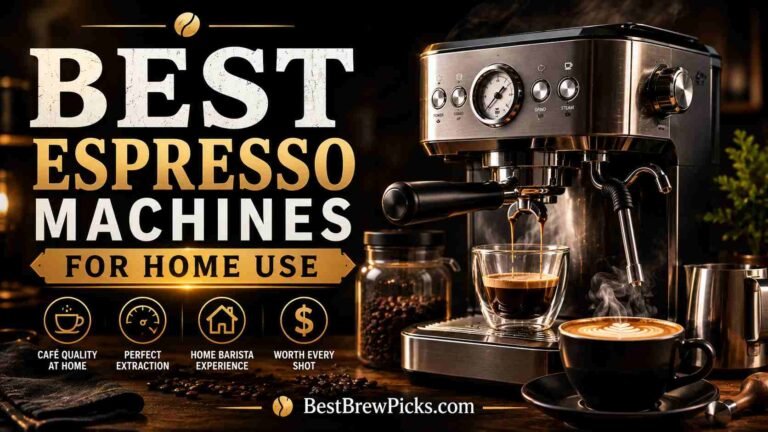
These three options fit different budget needs, and none of them tries to solve every coffee problem. The Chefman model targets espresso and milk drinks, the Keurig unit targets speed and compact convenience, and the OVENTE brewer targets low-cost batch coffee.
That split matters because the “best” machine depends on your routine, not only the price tag. A good value espresso machine can cost more than a basic drip brewer, but it may still belong in a budget article if it delivers the right daily experience.
| Product | Price tier | What it does well | What it does not do well |
|---|---|---|---|
| Chefman CraftBrew Espresso Machine | Upper budget to midrange | 15-bar espresso, steam wand, single or double shots, adjustable shot volume, 1.5L reservoir | Costs more than a simple drip maker and needs more cleaning and skill |
| Keurig K-Mini Mate Plus | Budget to midrange | Compact footprint, 3 cup sizes, Strong Brew, Brew Over Ice, 50 oz removable reservoir | Pods cost more per cup and offer less control than manual brewing |
| OVENTE 12-Cup Drip Coffee Maker | Budget | 12-cup capacity, one-touch operation, reusable filter, anti-drip design, borosilicate glass carafe | Offers fewer convenience and flavor controls than premium drip brewers |
The Chefman CraftBrew makes sense if you want café-style espresso and milk drinks at home. It includes a 15-bar pump, steam wand, two shot baskets, a 1.5L removable reservoir, touch controls, and a descale alert after 500 brewing cycles.
The Keurig K-Mini Mate Plus fits small kitchens or office corners because it stays under 5 inches wide and offers 8, 10, or 12 oz brew sizes, plus a 50 oz removable reservoir. It does not match the flavor control of manual brewing, but it solves the speed and footprint problem well.
The OVENTE 12-Cup Drip Coffee Maker suits households that want simple batch brewing. Its one-touch operation, reusable filter, anti-drip system, and 1.8 liter carafe make it practical for families or office use, but it does not provide espresso-style drinks or advanced control.
Best Buying Approach
The smartest buying approach starts with your routine, not with brand names. If you brew for one person, choose simplicity; if you brew for a family, choose capacity; if you want mornings to run automatically, choose a programmable model.
For most people, the best coffee maker under $100 is the one that matches habits closely and avoids unnecessary features. That practical fit usually matters more than minor differences in design.
For related budget planning, Coffee at Home vs Café: Cost Breakdown helps you compare long-term value. If you want a broader gear strategy, Coffee Scale & Accessories Worth Buying shows which add-ons actually improve results.
That order prevents wasted spending. A better grinder, fresh beans, and clean water usually improve taste more than moving from a decent budget brewer to a fancy but unnecessary model.