Best French Press Reviews 2026
Best French Press Reviews 2026 helps you choose a manual brewer that delivers rich flavor, simple operation, and solid value. A French press steeps coffee grounds directly in hot water and separates them with a metal filter, which creates a fuller body than paper-filtered methods and suits beginners as well as enthusiasts.
This matters because more home brewers want low-cost gear that avoids pods, paper filters, and complicated settings. A good French press can make excellent coffee at home, at the office, or on a camping trip, but the wrong model can lose heat quickly, let too much sediment through, or break under daily use.
This article reviews three French press models, compares glass and stainless steel construction, and explains which design works best for different routines. It also covers filtration, heat retention, cleaning, and everyday usability so you can buy based on real tradeoffs instead of product page claims.
What Makes a Good French Press
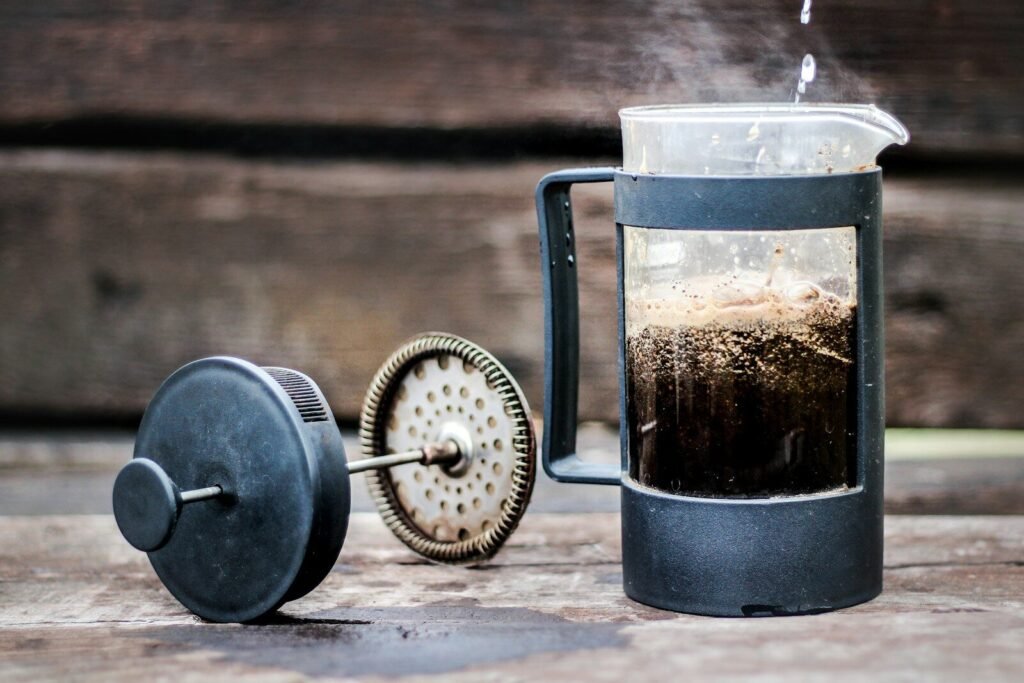
A good French press needs strong filtration, enough capacity for your routine, and materials that match how and where you brew. According to the Specialty Coffee Association, ideal brew water falls between 195 and 205°F, and that range matters in French press brewing because immersion extracts quickly when water runs too hot and weakly when water runs too cool. Therefore, a press that retains heat well gives you a better chance at a balanced cup.
Filtration matters just as much as heat retention. French press coffee should taste rich and heavy, but it should not feel muddy or gritty. A better filter stack reduces stray grounds while still allowing the oils that give French press coffee its signature texture. In contrast, weak filters let too much sludge into the cup and make even good beans taste rough.
Material choice shapes the whole experience. Glass presses look classic and let you see the brew, while stainless steel presses hold heat longer and survive harder use. As a result, the best model depends on whether you value style, insulation, portability, or long-term durability.
For a bigger picture on brewing methods, The Complete Coffee Guide: Machines Methods & Beans shows where French press fits in a home coffee setup. If you want to understand how roast style changes immersion brewing, Light Roast vs Dark Roast: Taste Differences gives useful flavor context.
Why French press still works
French press brewing stays relevant because it combines low cost, portability, and strong flavor. You do not need paper filters, electricity, or a complicated machine, so the barrier to entry remains low.
That simplicity also makes French press a strong backup brewer. Even if you own a drip machine or espresso setup, a press gives you a reliable manual option for travel, guests, or power outages.
What French press does not do well
French press does not make crystal-clear coffee. It also does not produce espresso-style concentration or crema, so it will disappoint anyone who expects café milk drinks from a manual immersion brewer.
Cleanup also takes more effort than a pod machine. You need to discard wet grounds, rinse the filter assembly, and occasionally disassemble the plunger for a deeper wash.
Best French Press Reviews 2026
The best French press reviews 2026 list should compare real differences, not pretend every press does the same job equally well. These three options all brew solid coffee, but they serve different priorities in terms of durability, aesthetics, and heat retention.
The Bodum Chambord leans classic, the Utopia Kitchen model leans rugged, and the Cafe Du Chateau sits in the middle with a practical feature set. Therefore, the right choice depends less on brand hype and more on where you brew and how much abuse the press needs to handle.
| Model | Capacity | Material | Best feature | Main drawback | Best for | Buy now |
|---|---|---|---|---|---|---|
| Bodum 34oz Chambord French Press | 1 liter | Glass carafe with polished frame | Classic style and easy-to-clean glass carafe | Glass body can break and it is not for stovetop use | Traditional home brewing | Buy now |
| Utopia Kitchen 304 Grade Stainless Steel French Press Coffee Maker | 946.35 milliliters | Double-walled 304 stainless steel | Strong heat retention and durable build | Heavier body and no brew visibility | Travel, durability, and hot coffee longer | Buy now |
| Cafe Du Chateau Stainless Steel French Press | 4 cups | Borosilicate glass with reinforced frame | 4-level filtration and coffee or tea versatility | Less premium structure than full stainless steel | Everyday home use and mixed beverage use | Buy now |
The Bodum Chambord remains one of the most recognizable French press designs because it keeps the formula simple. Its polished frame, clear glass carafe, and straightforward plunger create a familiar brewing experience that works well in most home kitchens. However, the glass design makes it less forgiving if you drop it or knock it into a sink.
The Utopia Kitchen stainless steel press targets buyers who care more about durability than visual design. Its double-walled body keeps coffee hot longer than glass presses, and its 4-layer filter system aims to reduce grit in the cup. Additionally, the steel body makes it a better fit for outdoor use, shared kitchens, and frequent travel.
The Cafe Du Chateau press offers a useful middle ground. Its borosilicate glass body keeps the classic see-through brewing experience, while the reinforced frame and 4-level filter design add some practical durability and better sediment control. It also works for loose-leaf tea, which gives it more flexibility than single-purpose brewers.
If you want technique help after buying, French Press Brewing Guide (Timing Water Temp) covers the actual brewing workflow. For cleanup and long-term care, French Press Cleaning & Maintenance Tips helps extend the life of any press.
Bodum 34oz Chambord French Press
The Bodum Chambord suits buyers who want a proven, classic French press with a clean visual design. The 1-liter capacity is enough for two large mugs or several smaller servings, so it works well for couples or relaxed weekend brewing.
Its biggest strength is simplicity. The carafe is easy to clean, the lid closes the spout with a turn, and the overall design feels familiar even to first-time users. However, it does not suit rough handling, and the glass body makes it a weaker choice for travel or busy shared spaces.
Utopia Kitchen 304 Grade Stainless Steel French Press Coffee Maker
The Utopia Kitchen press suits buyers who want toughness, insulation, and portability. The double-walled stainless steel body resists breakage and keeps coffee warm longer, which matters if you brew slowly or drink over time.
Its filtration system also aims higher than many budget presses. That helps reduce sediment, although no French press can remove fines as fully as a paper filter. In contrast, the opaque metal body prevents you from watching the brew, which some users still prefer for timing and visual control.
Cafe Du Chateau Stainless Steel French Press
The Cafe Du Chateau model fits buyers who want flexibility without paying for a premium all-metal build. It handles coffee and loose-leaf tea, brews in about four to five minutes, and includes removable parts that simplify cleaning.
It does not feel as rugged as the stainless Utopia model, and it does not look quite as iconic as the Bodum. Still, it covers the basics well and offers a sensible balance between price, filtration, and everyday function.
Glass vs Stainless Steel French Press
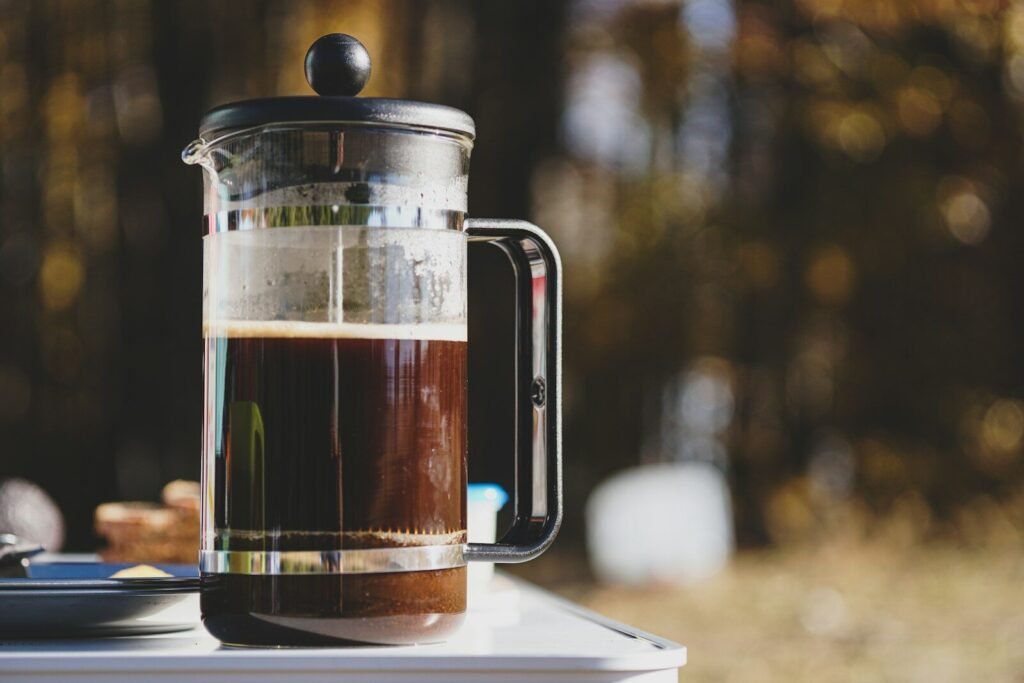
Glass and stainless steel French press designs produce similar coffee when the grind, water, and timing stay the same. The bigger differences show up in heat retention, durability, and day-to-day handling.
Glass usually wins on visibility and presentation. You can see the bloom, monitor the slurry, and serve from something that feels more elegant on a breakfast table. However, glass loses heat faster and introduces the constant risk of breakage. Therefore, it suits careful home use more than travel or outdoor brewing.
Stainless steel wins on toughness and insulation. Double-walled steel keeps coffee hotter for longer and handles drops far better than glass. As a result, it makes more sense for campers, office users, or anyone who wants less fragility in the kitchen. The tradeoff is that steel presses usually weigh more and hide the brewing process.
Cost also shifts the decision. Glass presses often cost less upfront, while stainless steel models usually ask for more money in exchange for durability and insulation. In real use, that higher cost can still be the smarter buy if it prevents replacement after one cracked carafe.
For grind and freshness context, Whole Beans vs Ground Coffee: Freshness & Flavor explains why fresh grinding matters more than many people realize. That matters especially in French press brewing, where sediment and body make staleness easier to notice.
Which French Press Should You Buy
The best French press for you depends on where you brew and what annoys you most. If you hate fragile gear, buy stainless steel. If you care about classic style and lower weight, glass still makes sense.
Choose the Bodum Chambord if you want a traditional French press for regular home use and do not need rugged portability. Choose the Utopia Kitchen model if you want better insulation, more durability, and a brewer that handles indoor or outdoor use more confidently. Choose the Cafe Du Chateau if you want a practical middle option that brews coffee and tea with solid filtration and easy cleanup.
- Buy Bodum if you want classic design and easy visual brewing.
- Buy Utopia Kitchen if you want durability and hotter coffee longer.
- Buy Cafe Du Chateau if you want versatility for coffee and tea.
- Choose stainless steel for travel, offices, and camping.
- Choose glass for lower weight and table-friendly presentation.
Real-world value matters more than marketing language. A French press that matches your habits will outperform a prettier or more expensive model that frustrates you every morning. Therefore, the smarter purchase is usually the one that fits your cleanup tolerance, storage space, and breakage risk.
French press brewing still offers one of the best value-to-flavor ratios in coffee. It does not do everything well, but it delivers rich, satisfying coffee with very little equipment, which is exactly why it keeps earning a place in home kitchens year after year.