Best Coffee Grinders for Espresso
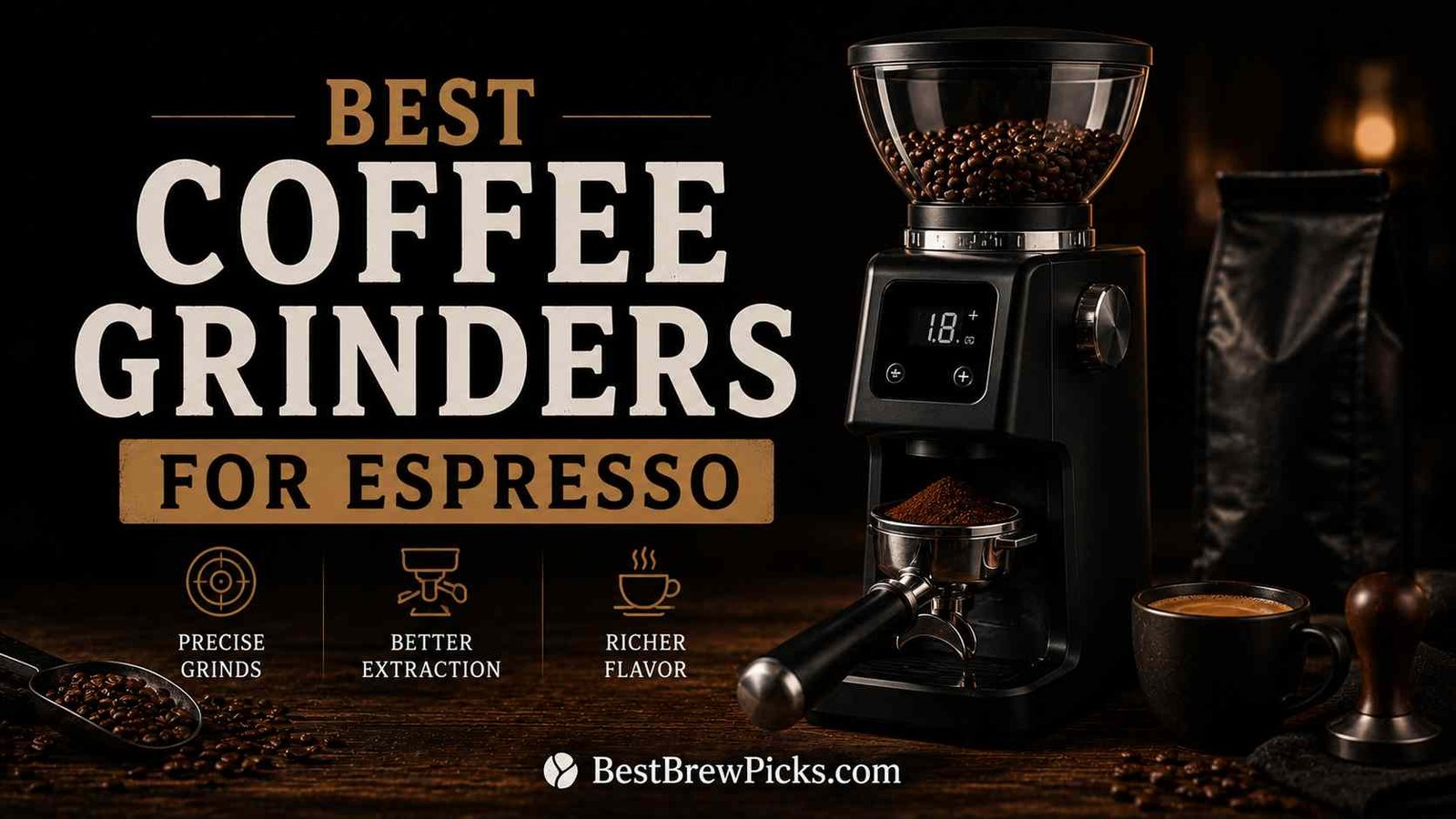
Best Coffee Grinders for Espresso helps you choose a grinder that can deliver fine, repeatable grounds for balanced shots at home. Espresso demands tight grind consistency, controlled dosing, and easy adjustment, so the right grinder often matters more than the machine when you want sweeter shots, better crema, and a less frustrating daily workflow.
This matters because espresso exposes grinder weaknesses fast. A grinder that produces too many fines or too much grind variation can turn one shot sour and the next bitter, even when you keep your dose and tamp the same. In 2026, more home baristas are buying entry-level and midrange espresso machines, so grinder choice has become the real bottleneck for consistent results.
This article compares three affordable grinder options, explains where each model fits, and shows what they do well and what they do not do well. It also covers burr type, grind adjustment, workflow, and value so you can spend based on actual espresso needs instead of buying features that sound impressive but do not improve your cup.
What Espresso Grinders Need
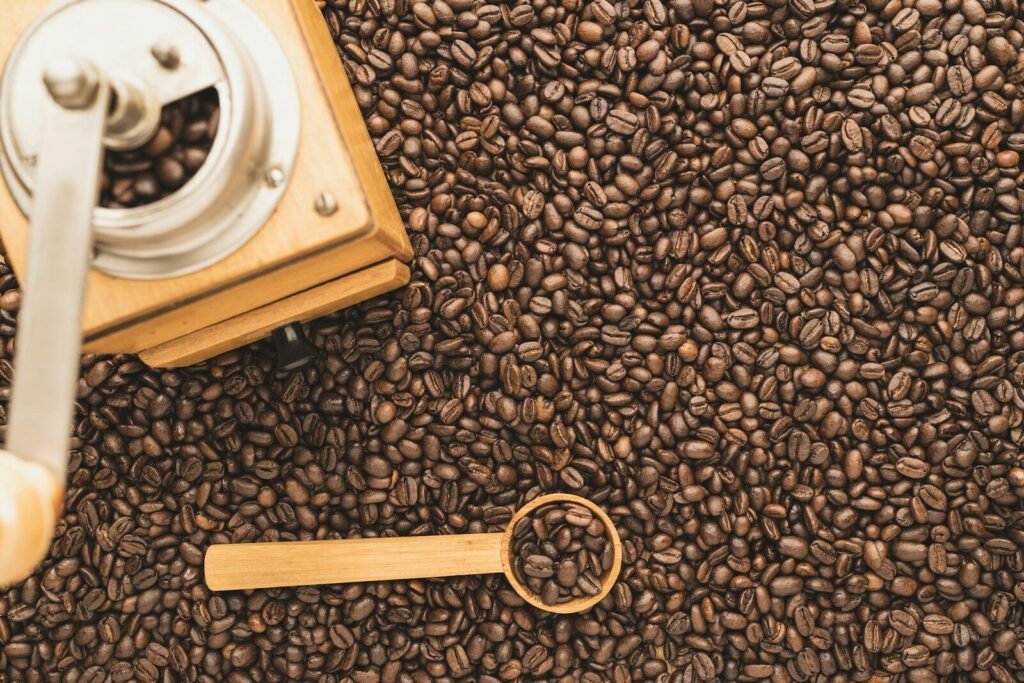
Espresso grinders need tight particle consistency, fine adjustment, and predictable dosing. According to the Specialty Coffee Association, brewing variables such as grind size, water temperature, and contact time directly shape extraction quality, and espresso magnifies every small mistake because the brew is short and concentrated. Therefore, a grinder that can make small, repeatable changes is not a luxury for espresso but a requirement.
A good espresso grinder should also manage heat and static well. Excess heat can affect the delicate oils in the coffee, while static can throw grounds around the counter and disrupt dose accuracy. Additionally, the workflow matters more than many beginners expect, because a messy grinder or awkward portafilter fit gets irritating when you use it every morning.
Conical burr grinders dominate this price range because they usually cost less than flat burr designs and still perform well for home espresso. However, not every conical grinder handles espresso equally well. Some offer enough adjustment range for drip and French press but still struggle to dial in lighter roasts or tighter espresso recipes.
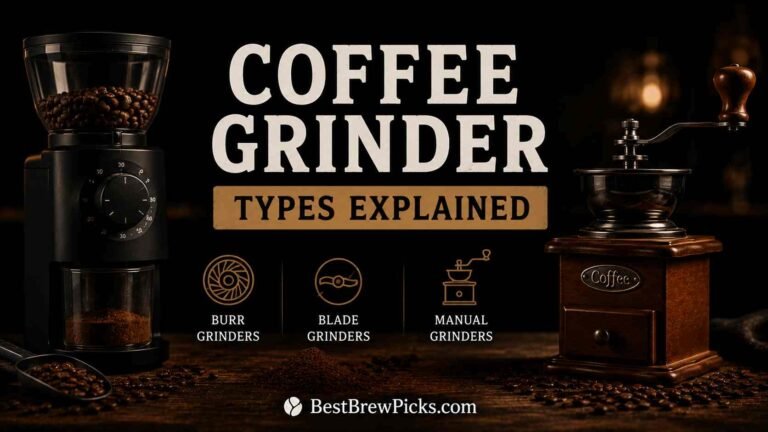
For the broader equipment picture, The Complete Coffee Guide: Machines Methods & Beans explains how your grinder fits into a full home setup. If you want to understand why burr design matters in the first place, Coffee Grinder Types Explained covers the core grinder categories and tradeoffs.
Why espresso is unforgiving
Espresso uses finely ground coffee, short contact time, and pressure. That combination gives you less margin for error than drip, pour over, or French press, so even a small grind shift can change shot time and flavor dramatically.
As a result, a grinder that feels acceptable for drip coffee can feel inconsistent for espresso. The better your machine gets, the more obvious grinder limitations become.
What budget grinders usually miss
Budget grinders often fall short on micro-adjustment, retention control, and grind consistency at very fine settings. They may still work for darker roasts or forgiving espresso recipes, but they often struggle when you want precision across different beans.
That does not make them useless. It simply means you should buy them for realistic home use, not because you expect commercial-level performance at an entry-level price.
Best Coffee Grinders for Espresso
The best coffee grinders for espresso in this group solve different problems. One model emphasizes fast repeatable dosing and home-barista workflow, another focuses on more grind settings and espresso-specific accessories, and the third is really a general electric grinder that fits casual use better than serious espresso work.
That distinction matters because not every product marketed for coffee handles espresso equally well. If your main goal is espresso, you should prioritize burr design, fine-step control, and portafilter workflow before multi-use marketing claims.
| Grinder | Burr or blade | Main strengths | Main limitation | Best for | Buy now |
|---|---|---|---|---|---|
| Conical Burr Coffee Grinder | 40mm stainless steel conical burr | 0.1s timer, smart memory, 34 settings, anti-static design, touchscreen, direct portafilter grinding | Fewer settings than the AMZCHEF and still an entry-level burr platform | Beginners who want a cleaner espresso workflow | Buy now |
| AMZCHEF Coffee Grinder | 40mm stainless steel conical burr | 48 grind settings, espresso-focused design, digital touch display, low 450rpm grinding speed | 50mm portafilter focus limits flexibility for some setups | Home espresso users who want more adjustment range | Buy now |
| SHARDOR Electric Coffee Grinder | Stainless steel blade | Quiet operation, simple timing control, compact size, multi-use for spices and grains | Blade design makes it a weak choice for true espresso consistency | Casual users, not serious espresso dialing | Buy now |
The first two grinders use 40mm stainless steel conical burrs, which makes them the real espresso options in this set. The SHARDOR uses a blade system, which immediately puts it at a disadvantage for espresso because blade grinders chop beans unevenly and cannot make small repeatable grind adjustments.
The Conical Burr Coffee Grinder aims at beginners who want a straightforward espresso routine. Its 0.1-second timer, smart memory, anti-static design, 34 grind settings, and compatibility with 51mm and 58mm portafilters all target practical home use rather than enthusiast experimentation.
The AMZCHEF Coffee Grinder takes a more espresso-centered approach. With 48 grind settings, a 40mm conical burr, touch display, and espresso accessories, it gives you more adjustment range and a slower 450rpm grinding speed that should help reduce heat and static during use.
The SHARDOR Electric Coffee Grinder fits a different category altogether. Its quiet operation and multi-use convenience make it fine for casual kitchen grinding, but its blade design makes it a poor fit for anyone serious about espresso shot consistency.
For a larger machine pairing context, Best Espresso Machines for Home Use helps you match grinder ambition with the right espresso setup. If you want to improve shot technique after choosing a grinder, Complete Guide to Espresso Pulling Shots covers the brewing side.
Conical Burr Coffee Grinder
This grinder makes sense for buyers who want espresso-friendly workflow without overcomplicating the process. The 0.1-second timer and smart memory help repeat daily doses, while the touchscreen controls and portafilter holder simplify direct grinding into the basket.
The anti-static design is also a practical feature rather than just a marketing line. Cleaner dosing means less mess, easier puck prep, and fewer tiny annoyances during busy mornings. However, 34 settings still means finite granularity, so extremely picky espresso users may eventually want finer adjustment.
AMZCHEF Coffee Grinder
The AMZCHEF looks stronger on paper for espresso-focused buyers because it offers 48 settings and a slower burr speed. That larger adjustment range should help when you move between roast levels or need tighter shot timing control.
Its espresso accessories also make the workflow more targeted, especially if your setup matches the included holder design. However, compatibility centered around a 50mm portafilter is less flexible than a design that openly supports multiple common sizes, so you should match it to your machine before buying.
SHARDOR Electric Coffee Grinder
The SHARDOR is the weakest espresso choice in this group, even if the product page uses coffee-friendly language. Timing marks, quiet operation, and a compact body are useful, but a blade grinder simply cannot match burr consistency for espresso.
That does not mean it has no place in a kitchen. It can still handle spices, herbs, and casual coffee grinding, so it may work for someone who brews drip occasionally and values versatility. However, using it for espresso is a compromise, not a smart long-term plan.
Which Grinder Fits Your Setup
The right grinder depends on whether espresso is your main brew method or just one part of a mixed routine. If espresso is the priority, the choice here should come down to the two conical burr grinders, not the blade grinder.
Choose the Conical Burr Coffee Grinder if you want simpler operation, repeatable timing, and broader portafilter compatibility for common home machines. Choose the AMZCHEF if you want more settings and a slightly more espresso-specific design, especially if your machine fits its accessory layout well.
Choose the SHARDOR only if espresso is not actually your main goal. It works better as a budget multi-use kitchen grinder than as a serious home barista tool, and pretending otherwise would be a bad buying decision.
For flavor context while dialing in shots, Espresso Shot Tasting: Crema Body Finish helps you understand what changes in the cup when your grind changes. If your shots still run badly after grinding adjustments, How to Clean an Espresso Machine Properly can help rule out maintenance issues.
- Pick a conical burr grinder if espresso matters most.
- Pick the first grinder for simpler workflow and wider common portafilter support.
- Pick the AMZCHEF for more grind settings and slower burr speed.
- Avoid blade grinders for serious espresso dialing.
- Upgrade your grinder before chasing a more expensive espresso machine.
What These Grinders Do Not Solve
Even the better grinders here do not fix stale beans, poor water, or weak puck prep. A more precise grinder helps a lot, but espresso quality still depends on fresh coffee, accurate dosing, even distribution, and a machine that can brew at stable temperature and pressure.
These grinders also do not eliminate the learning curve. You will still need to dial in new beans, adjust for roast level, and clean the grinder regularly to manage oils and retention. However, starting with a burr grinder instead of a blade grinder gives you a much better base for improving over time.
The smartest buying move in this group is simple. If you want real espresso performance, buy one of the conical burr grinders. If you buy the blade grinder for espresso, you are creating your own bottleneck before you even pull the first shot.