Manual Pour Over Brewers Compared
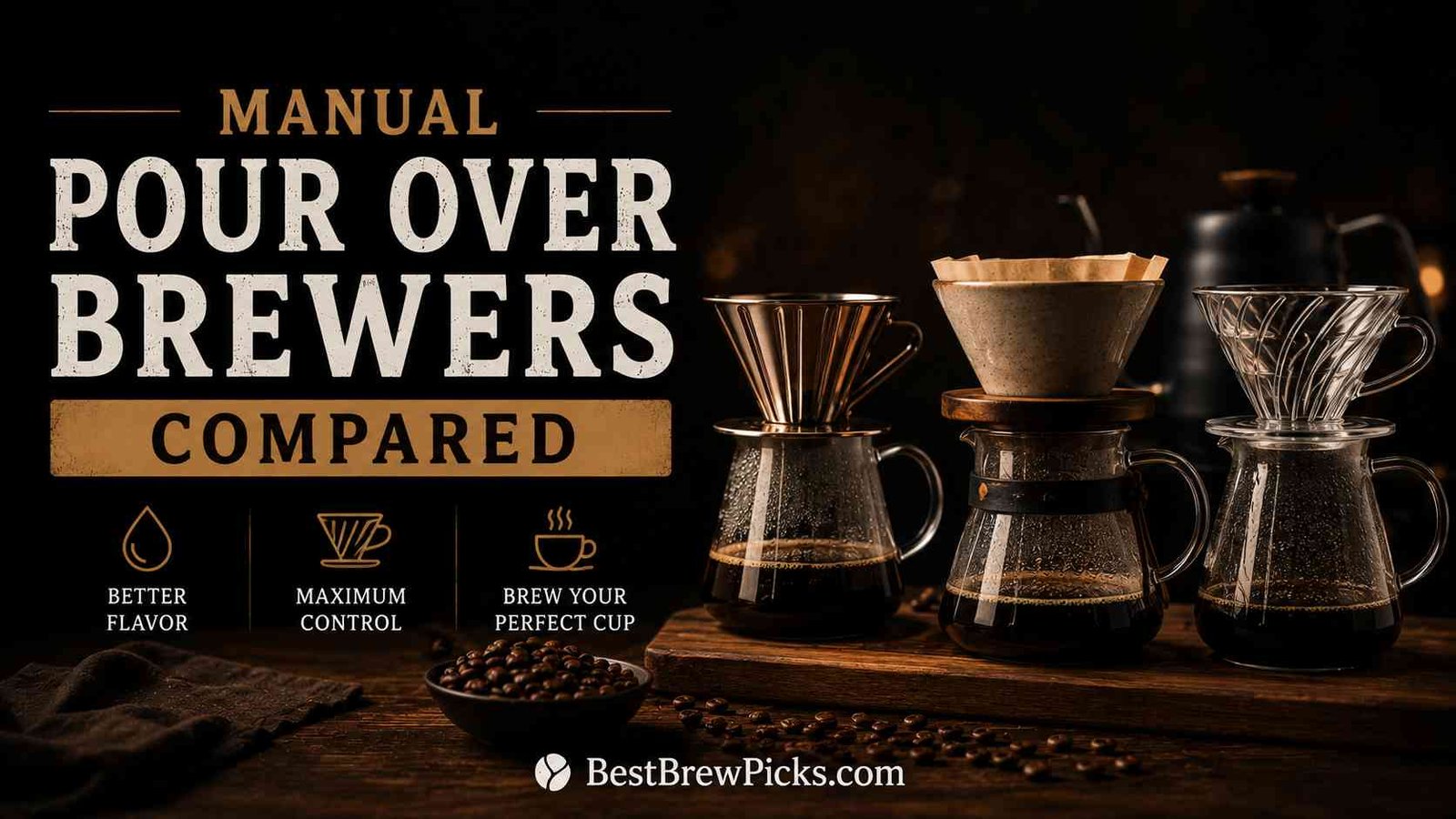
Manual Pour Over Brewers Compared helps you choose the right dripper for your taste, skill level, and daily routine. The best pour over brewer balances control, consistency, and ease of use while highlighting the unique flavors of your coffee beans.
This matters because pour over brewing gives you more control than automatic drip machines, but each brewer shape and design changes the flavor profile. The right choice depends on whether you want bright, complex cups, smooth and balanced results, or the cleanest possible extraction.
This article compares the most popular manual pour over brewers, explains how each one affects taste, and shows which brewer fits different skill levels and preferences. It also covers grind size, filter type, and the practical tradeoffs between speed, forgiveness, and flavor clarity.
How Pour Over Brewing Works
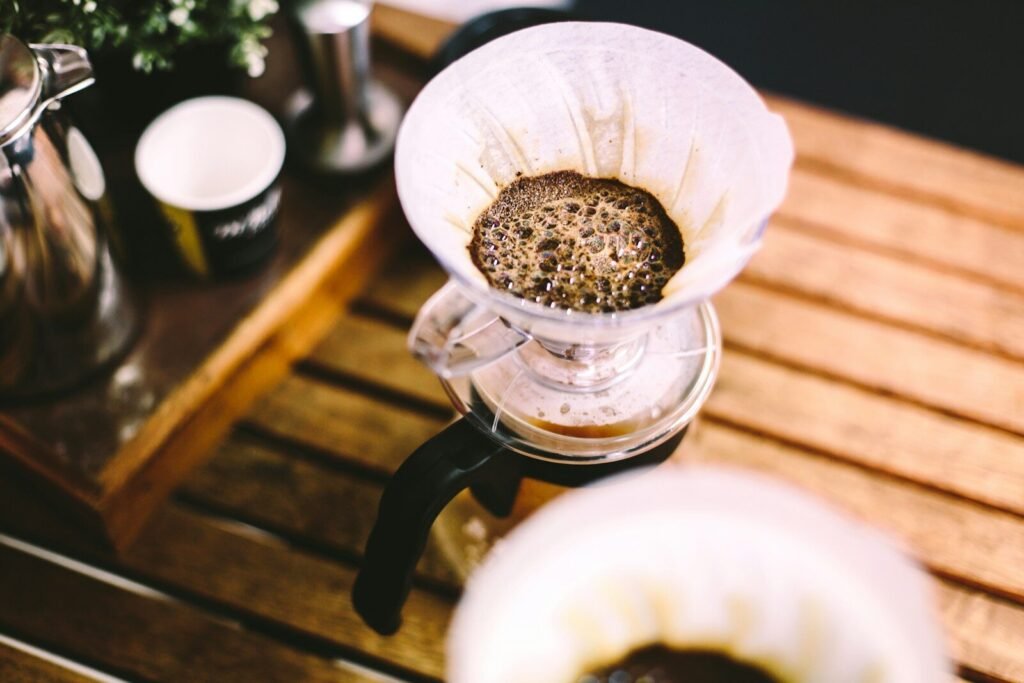
Pour over brewing uses gravity to pull water through a bed of coffee grounds and a filter. Unlike immersion methods, pour over uses a constant supply of fresh water, which makes it more efficient at extracting coffee solubles and often produces a cleaner, brighter cup.
The Specialty Coffee Association recommends a brew temperature range of 195 to 205°F for optimal extraction. Many specialty baristas brew pour over coffee at 94 to 96°C to compensate for temperature loss during the pour, which helps maintain consistent flavor across the brew.
The shape of the brewer, the number of holes, and the filter thickness all change how water flows and how long the coffee steeps. Therefore, two brewers using the same beans and grind can produce very different cups.
For the bigger picture on brewing methods, The Complete Coffee Guide: Machines Methods & Beans explains how pour over fits alongside espresso, drip, and immersion methods. If you want to understand how grind affects pour over results, Coffee Grinder Types Explained helps you choose the right grinder for your brewer.
Why pour over tastes different
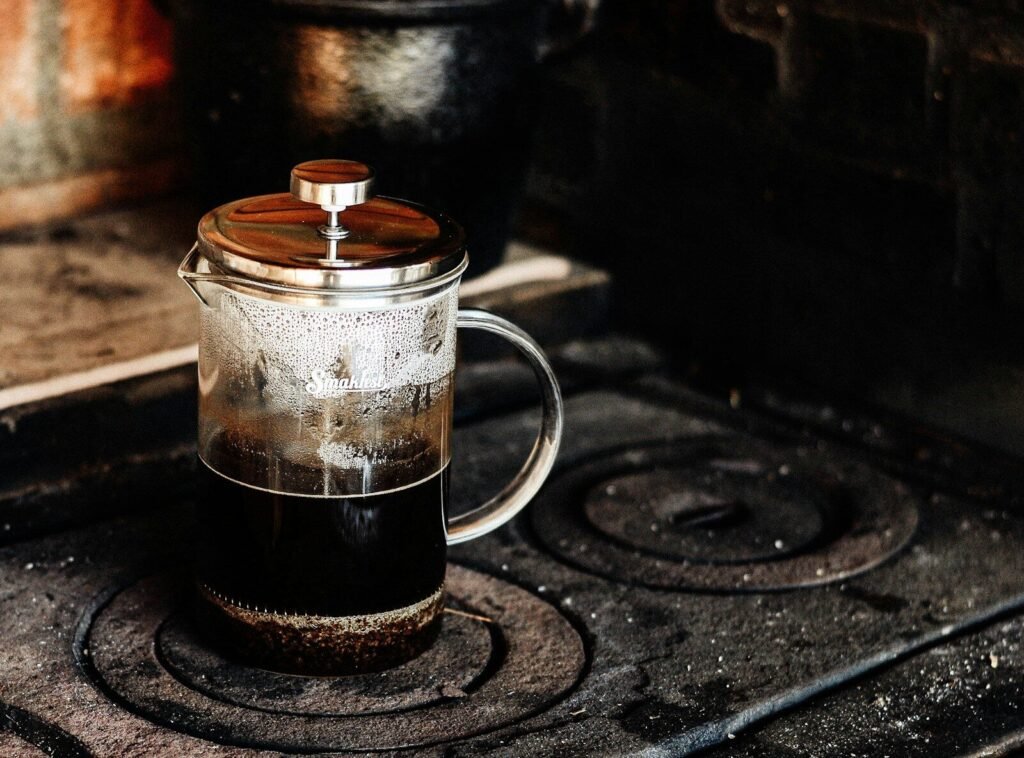
Pour over highlights acidity, sweetness, and delicate notes because the filter removes oils and fine particles. In contrast, immersion methods like French press keep more oils and sediment, which creates a heavier body but less clarity.
That tradeoff means pour over suits people who want to taste origin character and roast nuance. However, it also means pour over demands more attention to grind size, water temperature, and pouring technique.
The role of bloom and pour technique
The bloom phase releases carbon dioxide from freshly roasted coffee, which helps water penetrate the grounds evenly. A good bloom usually lasts 30 to 45 seconds and uses roughly twice the coffee weight in water.
Pour technique also matters because uneven pouring can create channels where water bypasses the grounds. As a result, a gooseneck kettle and a steady hand often improve consistency more than a more expensive brewer.
Best Manual Pour Over Brewers
The best manual pour over brewers each solve a different problem. Some prioritize control and brightness, others prioritize forgiveness and balance, and others prioritize the cleanest possible cup.
| Brewer | Shape | Flavor profile | Skill level | Best for |
|---|---|---|---|---|
| Hario V60 | Cone, 1 large hole | Bright, fruity, complex, high acidity | High | Control seekers and flavor explorers |
| Chemex | Hourglass, 1 large hole | Clean, smooth, tea-like, low body | Medium | Multiple cups and delicate coffees |
| Kalita Wave | Flat bottom, 3 small holes | Balanced, sweet, rounded, moderate body | Low | Beginners and daily consistency |
The Hario V60 is the most popular cone-shaped brewer among specialty coffee enthusiasts. Its single large hole and 60-degree angle give you maximum control over flow rate and extraction time, but they also punish sloppy pouring.
The Chemex stands out for its thick proprietary filters and elegant hourglass design. It produces an exceptionally clean cup with almost no sediment, which makes it ideal for delicate, floral, and light-roasted coffees.
The Kalita Wave uses a flat bottom with three small holes, which naturally restricts flow and creates a more even extraction. Therefore, it forgives minor pouring mistakes better than the V60 and usually delivers a sweeter, more balanced cup.
For a deeper dive into flavor differences, Coffee Flavor Wheel: Tasting Notes Explained helps you identify what you taste in each brewer. If you want to learn the actual brewing steps, Pour Over Brewing Steps: A Beginner’s Guide gives a practical starting point.
Hario V60
The Hario V60 suits people who want to experiment with pour technique and grind size. Its cone shape and large hole let you speed up or slow down extraction by adjusting your pour, which creates more flavor variation between brews.
However, that flexibility also makes the V60 less forgiving. A fast pour can under-extract and taste sour, while a slow pour can over-extract and taste bitter. As a result, beginners often get inconsistent results until they develop a steady rhythm.
Chemex
The Chemex suits people who want to brew multiple cups at once and value visual design. Its thick paper filters remove more oils than standard filters, which creates a crisp, tea-like cup that highlights delicate notes.
The Chemex does not suit people who want a full-bodied or textured coffee. Its filters are also more expensive than standard paper filters, which adds ongoing cost.
Kalita Wave
The Kalita Wave suits people who want a reliable daily brewer without mastering advanced technique. Its flat bottom and three small holes naturally slow and even out the flow, which makes it easier to produce a balanced cup.
The Wave does not give the same flavor range as the V60 because it restricts how much you can manipulate extraction. However, that restriction also makes it more consistent, which many users prefer for everyday brewing.
Grind and Filter Choices
Grind size and filter type change pour over results as much as the brewer itself. The V60 usually needs a medium-fine grind, the Chemex needs a medium-coarse grind, and the Kalita Wave works best with a medium grind.
Filter material also matters. Paper filters create the cleanest cup but remove oils, while cloth or metal filters let more oils through and increase body. Therefore, your filter choice should match your taste preference, not just your brewer.
For freshness and grind quality, Whole Beans vs Ground Coffee: Freshness & Flavor explains why grinding right before brewing matters. That habit improves every pour over method regardless of which brewer you choose.
How grind size affects each brewer
A finer grind slows extraction and increases strength, which suits the V60 because its large hole lets water pass quickly. A coarser grind speeds up flow and reduces strength, which suits the Chemex because its thick filters already slow extraction.
The Kalita Wave sits in the middle because its flat bottom and small holes naturally regulate flow. As a result, it usually produces a more forgiving cup across a wider grind range.
Filter cost and availability
Hario V60 filters are widely available and inexpensive. Chemex filters cost more and can be harder to find in some areas. Kalita Wave filters fall between the two in price and availability.
That practical difference matters for daily brewers. A brewer that requires expensive or hard-to-find filters can become frustrating even if it makes excellent coffee.
Which Brewer Fits You
The right pour over brewer depends on your priorities. If you want maximum control and flavor complexity, choose the Hario V60. If you want the cleanest cup and serve multiple people, choose the Chemex. If you want consistency and a gentle learning curve, choose the Kalita Wave.
Price also differs. The V60 and Kalita Wave are relatively affordable, while the Chemex costs more upfront and requires more expensive filters. However, the Chemex also doubles as a serving carafe, which adds value for households that brew larger batches.
According to Perfect Daily Grind, pour over brewing has become the dominant manual method in specialty coffee because it offers more control and clarity than immersion alternatives. That trend reflects how many coffee lovers now prioritize nuance over convenience.
- Choose the Hario V60 if you want to experiment with technique and taste.
- Choose the Chemex if you want the cleanest cup and serve multiple people.
- Choose the Kalita Wave if you want consistency without a steep learning curve.
- Choose paper filters if you want clarity and easy cleanup.
- Choose a gooseneck kettle if you want better pour control with any brewer.
Manual pour over brewing rewards attention and practice. Therefore, the best brewer is the one you will actually use consistently, not the one that looks best on a shelf.
What Pour Over Brewers Do Not Do
Pour over brewers do not make espresso or milk drinks. They also do not fix bad beans, inconsistent grinding, or poor water quality.
That limitation means your grinder and water matter as much as your brewer. A cheap blade grinder creates uneven particles that extract poorly, while hard or chlorinated water can mask or distort flavor. As a result, investing in a burr grinder and filtered water often improves pour over results more than switching brewers.
According to the Specialty Coffee Association, the ideal water temperature for brewing coffee falls between 195°F and 205°F. That range applies to all pour over methods, so a thermometer or temperature-controlled kettle helps you hit the target consistently.