
Understanding Coffee Acidity & Brightness

Understanding Coffee Acidity & Brightness means learning how coffee can taste lively, crisp, and sparkling without tasting sour or unpleasant. In coffee, acidity describes a positive sensory quality that creates lift and structure, while brightness describes the vivid, juicy impression that makes a cup feel fresh and expressive.
This matters because acidity often confuses new coffee drinkers. Some people hear the word and think it means a bad, sharp, stomach-irritating taste, but in specialty coffee it often signals quality, freshness, and origin character. As more US drinkers explore lighter roasts and origin coffees, knowing how to read acidity helps them choose beans with more confidence.
This article explains what acidity and brightness mean, how they differ from sourness, which coffees tend to show more of them, and how brewing changes the way they taste. It also gives practical ways to enjoy coffee with more clarity and less confusion.
What Coffee Acidity Means
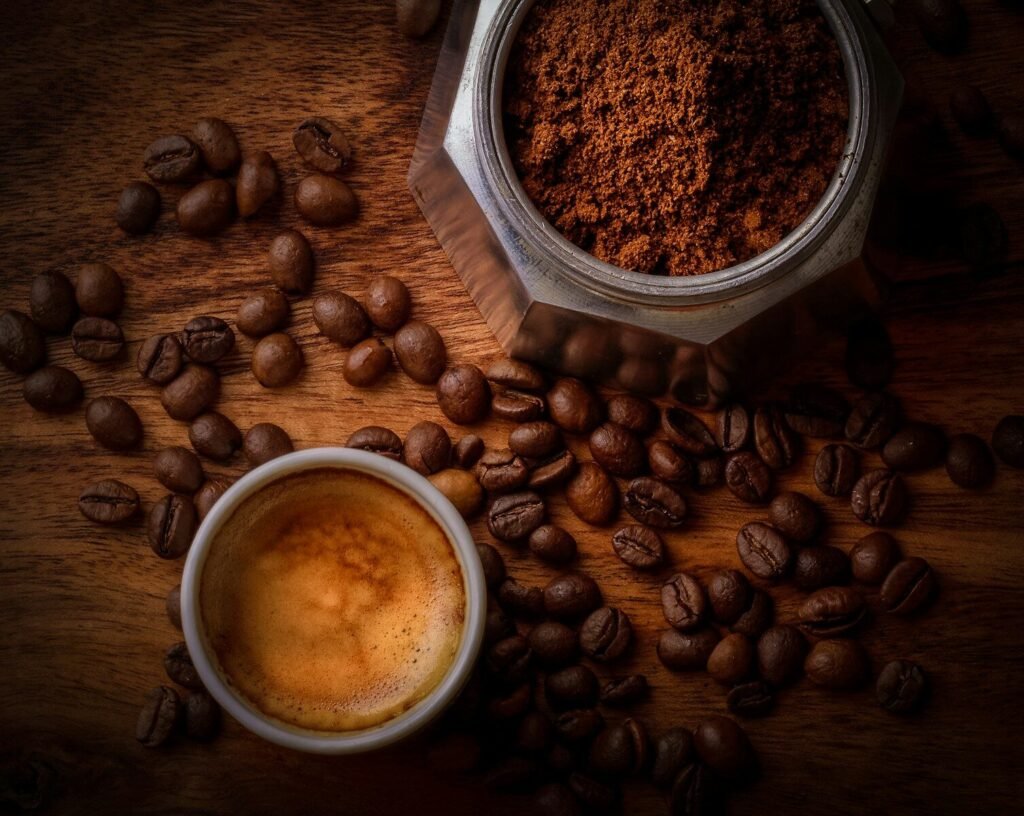
Coffee acidity describes a flavor sensation that feels lively, crisp, and sometimes fruity. It gives coffee shape and definition, much like a squeeze of lemon adds life to a dish. Therefore, acidity does not mean the coffee tastes spoiled or harsh. Instead, it often signals balance and complexity when the roast and brew work well together.
Brightness is closely related, but it focuses more on the vivid, sparkling impression the coffee creates. A bright coffee often feels fresh and expressive, with notes that stand out clearly on the palate. That might show up as citrus, berry, green apple, or floral character. In contrast, a low-acid coffee often feels softer, rounder, and more muted.
Acidity and brightness appear most clearly when coffee has enough sweetness to balance them. If sweetness stays low and acidity rises too high, the cup can taste sharp instead of lively. As a result, good coffee acidity usually feels integrated rather than isolated.
For the broader flavor framework, Coffee Flavor Wheel: Tasting Notes Explained helps connect acidity to the rest of the cup. If you want a method-based example, How to Taste Coffee Like a Professional shows how tasters notice acidity alongside aroma, body, and finish.
Why acidity matters in coffee
Acidity matters because it gives coffee dimension. Without it, many cups taste flat, dull, or heavy.
When acidity balances sweetness and body, the coffee feels more complete. That balance often separates an ordinary cup from a memorable one.
What brightness adds
Brightness adds clarity and energy. It helps individual notes stand out more clearly, which makes tasting easier and more interesting.
Bright coffees often feel more refreshing too. That is why many people enjoy them in the morning or with lighter brewing styles.
Brightness vs Sourness
Brightness vs sourness is one of the most important distinctions in coffee tasting. Brightness feels clean, lively, and intentional. Sourness feels unbalanced, thin, or underdeveloped. Both can taste tart, but they do not create the same experience in the cup.
Bright coffee usually has enough sweetness and body to support the acidity. Sour coffee often lacks that support. It may taste like the coffee stopped short during extraction or roasting. Therefore, sourness often points to a brewing problem or a very underdeveloped roast, while brightness often points to a well-structured cup.
You can usually tell the difference by how the coffee feels after the first sip. Bright acidity tends to finish cleanly and invite another sip. Sourness often leaves a sharp, puckering edge that feels out of place. In other words, brightness feels integrated, while sourness feels disconnected.
If a coffee tastes too sour, you may need a finer grind, hotter water, a longer brew time, or a more developed roast. If a coffee tastes bright but pleasant, you may simply have a well-processed, well-brewed coffee with natural lift. That distinction helps you troubleshoot without blaming the bean too quickly.
For roast context, Light Roast vs Dark Roast: Taste Differences explains why lighter roasts often feel brighter. If your cup tastes flat rather than lively, Fixing Weak Coffee: Common Brewing Mistakes can help you spot extraction issues.
How sourness shows up
Sourness often feels sharp, thin, or unfinished. It can dominate the cup without offering much sweetness to balance it.
That usually means the coffee needs better extraction or a more developed roast. It does not always mean the coffee itself is bad.
How brightness shows up
Brightness often feels crisp, juicy, and clean. It can make fruit notes easier to notice and enjoy.
When brightness works well, it feels like structure rather than flaw. It gives the cup energy without roughness.
Which Coffees Taste More Acidic
Which coffees taste more acidic depends on origin, variety, process, and roast level. Coffees from higher elevations often show more acidity because slower growth can preserve more aromatic complexity. Ethiopian, Kenyan, and some Central American coffees often stand out for bright, fruit-forward character. However, processing and roast can change the result a great deal.
Lighter roasts usually preserve more of the coffee’s natural acidity. That is why light roast often tastes more vivid, more floral, and more fruit-driven. Dark roasts usually mute acidity and shift the cup toward cocoa, smoke, toast, and bitterness. As a result, roast level often affects perceived acidity more than origin alone.
Washed coffees often feel cleaner and more transparent in acidity, while natural processed coffees often feel sweeter and fruitier, sometimes with a bigger perceived brightness. Neither style automatically tastes better. Instead, each one highlights a different side of the coffee.
The Specialty Coffee Association uses tasting and brewing standards that treat acidity as part of overall balance and quality evaluation. Their coffee standards resources help define the sensory language professionals use at the cupping table. You can explore those standards here: SCA Coffee Standards. For origin examples, Ethiopian Coffee: Origin Taste Brands Reviewed shows how fruit and floral notes often pair with brightness.
Origin and elevation
Higher-grown coffees often show more acidity because they develop more slowly. That slower development can create more complex flavor.
Many drinkers notice this in East African coffees, especially when roasted lightly. Those coffees often bring the clearest brightness.
Processing and roast
Processing changes how acidity reads on the palate. Washed coffees often feel cleaner, while natural coffees often feel fruitier and sweeter.
Roast then shapes the final expression. A darker roast usually lowers perceived acidity, even if the bean itself started bright.
How Brewing Changes Acidity

How brewing changes acidity matters because extraction can either highlight or bury brightness. Under-extracted coffee often tastes sour or thin, while properly extracted coffee usually tastes balanced and lively. Therefore, brewing method, grind size, water temperature, and brew time all influence how acidity shows up in the cup.
Pour over often emphasizes clarity and brightness because it uses a clean, controlled extraction. French press often creates a heavier cup that can soften acidity and increase body. Espresso can feel intense and concentrated, so acidity may seem sharper if the shot runs too fast or too short. Cold brew usually tastes smoother and less acidic because the long, cool extraction reduces perceived brightness.
Water temperature also matters. According to the Specialty Coffee Association, brewed coffee typically performs well around 195 to 205°F. If water runs too cool, the cup may taste flat or sour. If it runs too hot, the coffee may taste harsh or overly bitter. Therefore, temperature gives you a direct way to manage how acidity appears.
For method-specific help, Pour Over Brewing Steps: A Beginner’s Guide shows how clean extraction affects brightness. If you prefer a fuller style, French Press Brewing Guide (Timing Water Temp) explains how to keep the cup rich without losing balance.
- Use slightly hotter water to help brighter coffees extract properly.
- Grind finer if the cup tastes sour or thin.
- Grind coarser if the cup tastes harsh or overly sharp.
- Choose pour over for clarity and brightness.
- Choose French press or cold brew for a softer acidic profile.
Acidity also affects buying decisions. A bright single-origin coffee may cost more than a standard blend, but it gives you more distinct flavor detail per cup. A blend may offer better value for daily drinking because it balances acidity with body and sweetness in a more consistent way. That tradeoff matters if you want either a more expressive cup or a more forgiving everyday brew.
For bean decisions, Single Origin vs Blended Coffee: Which to Buy? helps you compare flavor clarity and consistency. If you want to understand bean structure too, Best Arabica vs Robusta Coffee Beans Explained adds helpful context about body, acidity, and flavor intensity.
Conclusion
Understanding Coffee Acidity & Brightness helps you separate lively, pleasant coffee from sharp or sour coffee. Once you know how acidity, brightness, and sourness differ, you can taste more clearly, brew more intentionally, and choose coffee that fits your preferences.
The biggest payoff is confidence. Instead of guessing why a cup tastes the way it does, you can connect flavor to roast, origin, and brewing choices. That makes every bag of coffee easier to evaluate and every cup easier to enjoy.