
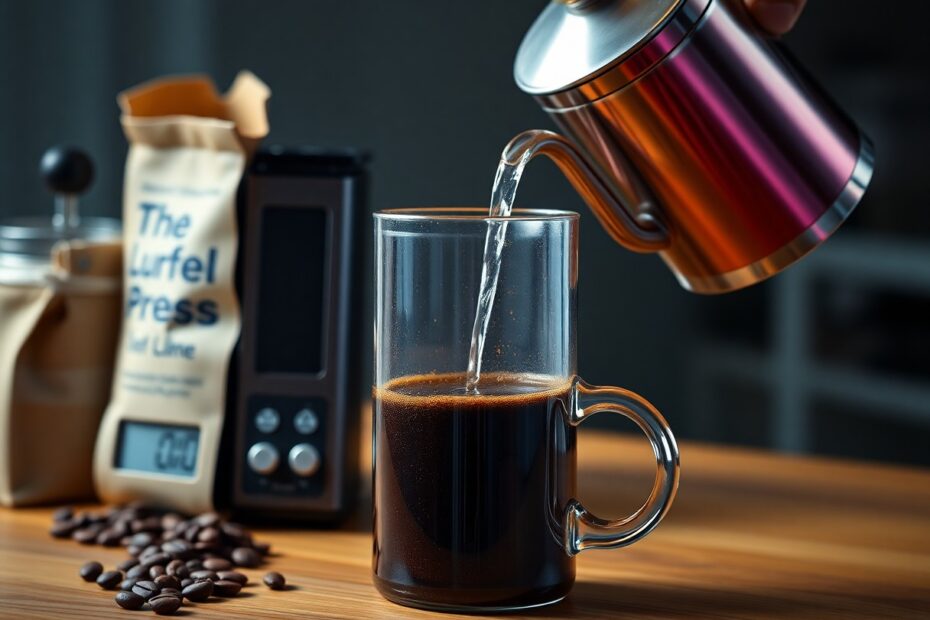
This guide shows you how to brew rich, full-bodied coffee with a French press. You’ll learn the right water temperature, grind size, and timing to use. Follow each step closely, and you’ll make a smooth, flavorful cup every time.
Mastering the Coarse Grind
Why Grind Size Dictates Extraction Quality
Water flows slowly through your French press grounds, and the contact time is long-typically around four minutes. That extended brew time means your coffee particles must be large enough to resist over-extraction. A fine grind would dissolve too much too quickly, releasing bitter compounds and making your cup unpleasant.
Coarse coffee resembles sea salt, not sand or powder. This texture allows water to pass through evenly while extracting flavor at a balanced rate. Too fine, and you’ll clog the mesh filter; too coarse, and your coffee tastes weak or hollow. The right grind keeps clarity and body in harmony.
Your taste buds notice the difference immediately. A properly ground batch delivers rich aroma, full mouthfeel, and clean finish. Without the right particle size, even the freshest beans can disappoint. Mastering this step transforms your morning ritual from routine to revelation.
Using a Burr Grinder for Consistency
Each coffee particle should extract at the same rate, and only a burr grinder ensures that uniformity. Unlike blade grinders that chop inconsistently, burr models crush beans between two abrasive surfaces, producing even granules every time.
Adjusting the burr settings lets you fine-tune the coarseness to match your French press needs. You’ll find that small changes make big differences in flavor-dialing in the right setting is part of perfecting your method.
Consistency prevents under- and over-extracted fragments in the same brew. This balance is what separates a muddy, uneven cup from one that’s smooth and layered. Your grinder is not just a tool-it’s the foundation of great coffee.
For best results, choose a conical burr grinder with adjustable settings. These models offer greater control and generate less heat, preserving the delicate oils and aromas in your beans. Once set, use the same grind level daily and adjust only when changing beans or brew time.
Step-by-Step Brewing Instructions
| Step | Action |
| 1 | Preheat the French press and measure coffee grounds |
| 2 | Pour hot water to initiate the bloom, then stir |
| 3 | Steep for 4 minutes, press slowly, and serve immediately |
Preheating the Vessel and Measuring Grounds
Your French press should start warm to maintain consistent brewing temperature. Pour a small amount of hot water into the empty carafe, swirl it around, and discard it before adding coffee. This simple step stabilizes heat during extraction, preventing rapid cooling that dulls flavor. You’ll notice a more balanced cup when thermal shock is minimized.
Coffee-to-water ratio matters more than you might expect. Use 1 gram of coarsely ground coffee for every 15-16 grams of water-roughly 2 tablespoons per 8 ounces. A kitchen scale ensures precision, but level tablespoons work in a pinch. Coarse grounds prevent fine particles from slipping through the filter, reducing sediment in your cup.
Grind size directly affects extraction and mouthfeel. If your coffee tastes bitter, the grind may be too fine; if it’s weak, it’s likely too coarse. Aim for a texture similar to sea salt. Freshly ground beans release aromatic compounds that pre-ground coffee loses over time, so grinding just before brewing makes a noticeable difference in flavor intensity and clarity.
The Bloom Process and Timed Steeping
Water poured over coffee grounds releases trapped carbon dioxide, a stage known as blooming. Saturate all the grounds evenly with about twice the weight of water to coffee-just off the boil, around 200°F. Let it sit for 30 seconds. You’ll see the coffee expand and bubble, which signals degassing and prepares the grounds for even extraction.
After the bloom, slowly pour the remaining water in a circular motion, ensuring all grounds are submerged. Place the lid on top with the plunger pulled all the way up. Set a timer for exactly 4 minutes. This window balances flavor development without over-extracting bitter compounds. Avoid stirring again unless you notice dry clumps floating on top.
Time is a silent partner in brewing quality. Too short, and your coffee tastes sour; too long, and it turns astringent. The 4-minute steep is a reliable starting point, but you can adjust by 15-30 seconds based on your taste. Once the timer ends, press the plunger down with steady, even pressure-don’t force it.
Blooming isn’t just a ritual-it’s a functional step that improves flavor clarity. When carbon dioxide escapes early, water can penetrate the coffee more evenly, extracting sugars and acids uniformly. Skipping this phase risks uneven saturation, leading to flat or muted results. Treat the bloom as imperative, not optional, for a brighter, more dynamic cup.
Critical Factors for a Balanced Cup
Water temperature, grind size, and brew time work together to shape the flavor of your French press coffee. Too hot, and you risk scalding the grounds, leading to bitterness; too cool, and the extraction falls flat. Aim for water just off the boil-around 200°F-to draw out the full spectrum of flavors without harshness.
Grind consistency plays a major role in how evenly the coffee extracts. A coarse, uniform grind prevents fine particles from slipping through the mesh filter and muddying your cup. Uneven grinds can lead to over-extraction in some particles and under-extraction in others, creating an unbalanced taste.
Brew time directly affects strength and clarity. Four minutes is the sweet spot for most palates, allowing enough contact time for rich flavor without excessive sediment or bitterness. Recognizing how these elements interact gives you control over every cup.
- Use freshly ground beans for optimal flavor
- Maintain a consistent coarse grind
- Stick to a 1:15 coffee-to-water ratio
- Pre-warm your French press to stabilize temperature
- Stir gently after pouring water to ensure even saturation
Calculating the Ideal Coffee-to-Water Ratio
Coffee strength begins with precision in measurement. A standard starting point is one gram of coffee for every fifteen grams of water, which delivers a well-rounded, balanced brew. This ratio prevents the coffee from becoming too weak or overpowering, letting the bean’s natural characteristics shine through.
Adjusting the ratio slightly can tailor the brew to your taste-going to 1:14 for a bolder cup or 1:16 for a lighter one. Digital scales make this easy, ensuring consistency from one brew to the next. Volume measurements like tablespoons are less reliable due to variations in bean density and grind size.
Using the right ratio also minimizes waste and prevents over-extraction. Recognizing that small changes have noticeable effects helps refine your method over time.
Techniques for a Smooth and Controlled Plunge
Pressure applied during the plunge determines clarity and texture in your final cup. Pushing too hard forces fine sediment through the filter, resulting in a gritty mouthfeel. A slow, steady press allows the mesh to do its job-separating clean coffee from the grounds.
Keep your hand relaxed and use your entire arm to lower the plunger straight down. If you feel resistance, pause briefly and resume with even pressure. Jerky or angled movements can damage the filter or let sludge into your brew.
Timing the plunge over 20 to 30 seconds helps maintain control. Recognizing the feedback from the plunger-how it glides or resists-gives insight into your grind and brew consistency.
Mastering the plunge isn’t just about finishing the brew-it’s about protecting the balance achieved during steeping. A smooth descent preserves the clean separation between liquid and sediment, ensuring each pour is rich without being muddy. Focus on consistency, and your technique will become second nature.
Pro Tips for Troubleshooting Flavor
Off-flavors in your French press brew often stem from small, correctable mistakes in your process. Bitterness, sourness, or dull notes don’t mean your beans are bad-they usually point to imbalances in grind size, water temperature, or brew time. Paying close attention to these variables gives you control over the final cup.
Common issues like over-extraction can be fixed by adjusting just one element at a time. If your coffee tastes harsh or astringent, it’s likely too fine a grind or too long a steep. On the other hand, a sour or weak cup suggests under-extraction, often from a coarse grind or water that’s cooled too much. Dialing in the right combination takes practice, but the results are worth it.
Consider these adjustments:
- Use a burr grinder for consistent particle size
- Heat water to between 195°F and 205°F before pouring
- Stick to a 4-minute brew time as a baseline
- Stir the crust gently after pouring to ensure even saturation
The key to great flavor lies in precision and repetition.
Adjusting Variables to Eliminate Bitterness
Bitterness in French press coffee usually comes from over-extraction, where too many compounds are pulled from the grounds. This often happens when the coffee is ground too finely, increasing surface area and speeding up extraction. Try coarsening your grind slightly-it should resemble sea salt-to slow down the process and reduce harsh notes.
Brew time also plays a major role. Letting coffee steep beyond 4 minutes, especially with hot water, can extract bitter tannins and oils. Set a timer and stick to it, pouring off the coffee immediately after plunging. If you leave it sitting in the press, the grounds continue to brew, deepening the bitterness.
Water temperature matters just as much. Boiling water straight off the kettle can scald the coffee, pulling out undesirable flavors. Let it cool for 30 seconds after boiling to hit the ideal range. The right balance of time, grind, and heat transforms a bitter cup into a smooth, rich one.
How to Achieve a Cleaner Sediment-Free Brew
Sediment at the bottom of your cup is common with French press, but it doesn’t have to be unavoidable. A major contributor is grind size-too fine, and tiny particles slip through the mesh filter. Opt for a consistent, coarse grind to minimize fines that cloud your brew and settle in your mug.
Pouring technique makes a surprising difference. After plunging, pour steadily and stop before reaching the last ounce, where most sediment collects. Tilting the press too far agitates the grounds at the bottom, releasing more sludge into your cup. Leave that final layer behind for a noticeably cleaner drink.
Letting the coffee rest for 30 seconds after stirring allows heavier particles to sink before you plunge. This small pause improves clarity without sacrificing strength. The result is a bold yet refined cup with less grit and more enjoyment.
For an even cleaner result, consider using a secondary filter like a paper filter or a fine mesh screen placed over your mug during pouring. While the French press relies on metal filtration, adding an extra layer catches fine particles that escape the plunger’s mesh. This method retains body while reducing sediment, offering a compromise between full immersion and clarity. The slight effort pays off in a smoother mouthfeel.
Proper Cleaning and Maintenance How-To
Every time you finish brewing, take a moment to disassemble your French press completely. Leaving coffee grounds trapped in the plunger or carafe can lead to rancid oils and off-flavors in future cups. Rinse the carafe and metal parts immediately with warm water to prevent residue from drying and sticking.
You should clean the French press after each use to maintain flavor integrity and hygiene. Use a mild dish soap and a soft sponge-avoid abrasive scrubbers that can scratch glass or damage the filter. Pay close attention to the area between the mesh filter and the metal plate, where fine grounds often hide.
Drying all components thoroughly before reassembly prevents moisture buildup and potential mold. Store the press with the plunger lifted to keep the spring tensioned correctly. A well-maintained French press can last for years, delivering consistent, rich coffee with every brew.
Deep Cleaning the Plunger and Mesh Filter
Over time, coffee oils accumulate in the plunger assembly, especially within the fine mesh filter. To remove this buildup, take the plunger apart completely-most models allow the filter screen, metal disc, and spring to be separated. This access lets you clean areas that regular rinsing misses.
Soak the metal components in a mix of warm water and a small amount of dish soap or a dedicated coffee cleaner for 15-20 minutes. Use a soft brush, like an old toothbrush, to gently scrub the mesh from both sides. Be careful not to bend the fine wires, as this can compromise the filter’s effectiveness.
Rinse each part thoroughly under running water to remove any cleaning residue. Reassemble only when all pieces are completely dry to prevent rust or mildew. Performing this deep clean every few weeks keeps your French press functioning smoothly and your coffee tasting clean.
Best Practices for Carafe Longevity
Temperature shock is the main threat to a glass French press carafe. Never pour boiling water into a cold carafe or place a hot one on a cold surface. Doing so can cause cracks or sudden breakage. Always pre-warm the carafe with a bit of hot water before brewing.
Handle the carafe with care, especially when it’s full. Set it down gently on countertops and avoid twisting it while pressing down the plunger. Even small chips or scratches on the rim can weaken the glass over time, increasing the risk of breakage.
Consider switching to a stainless steel French press if you frequently brew outdoors or have a busy kitchen. But if you stick with glass, treat it like a precision tool-consistent care ensures it lasts for years without compromise.
Using a protective silicone sleeve can add an extra layer of insulation and grip, reducing the chance of slips and thermal stress. These sleeves also help maintain brew temperature longer, offering both functional and protective benefits. Choose one that fits snugly without covering the carafe’s spout to preserve pouring accuracy.
Final Words
Now you hold the complete method to brew rich, full-bodied coffee using a French press. You’ve measured the right coffee-to-water ratio, used water just off the boil, and allowed a proper four-minute steep. Your patience during the slow plunge of the plunger ensures clarity and smoothness in every cup. This method rewards consistency and attention to detail, delivering a brew that highlights the natural oils and flavors often lost in paper-filtered coffee.
You control every variable-grind size, water temperature, and brew time-giving you the power to adjust based on your taste. Whether you prefer a bolder profile or a lighter cup, small tweaks make a noticeable difference. Cleaning the press immediately after use keeps it ready for the next brew and prevents old oils from affecting flavor.
Your French press is more than a tool; it’s a direct path to better coffee at home. With practice, the steps become second nature, and the ritual becomes part of your daily rhythm. Enjoy the process as much as the result.