Coffee at Home vs Café: Cost Breakdown
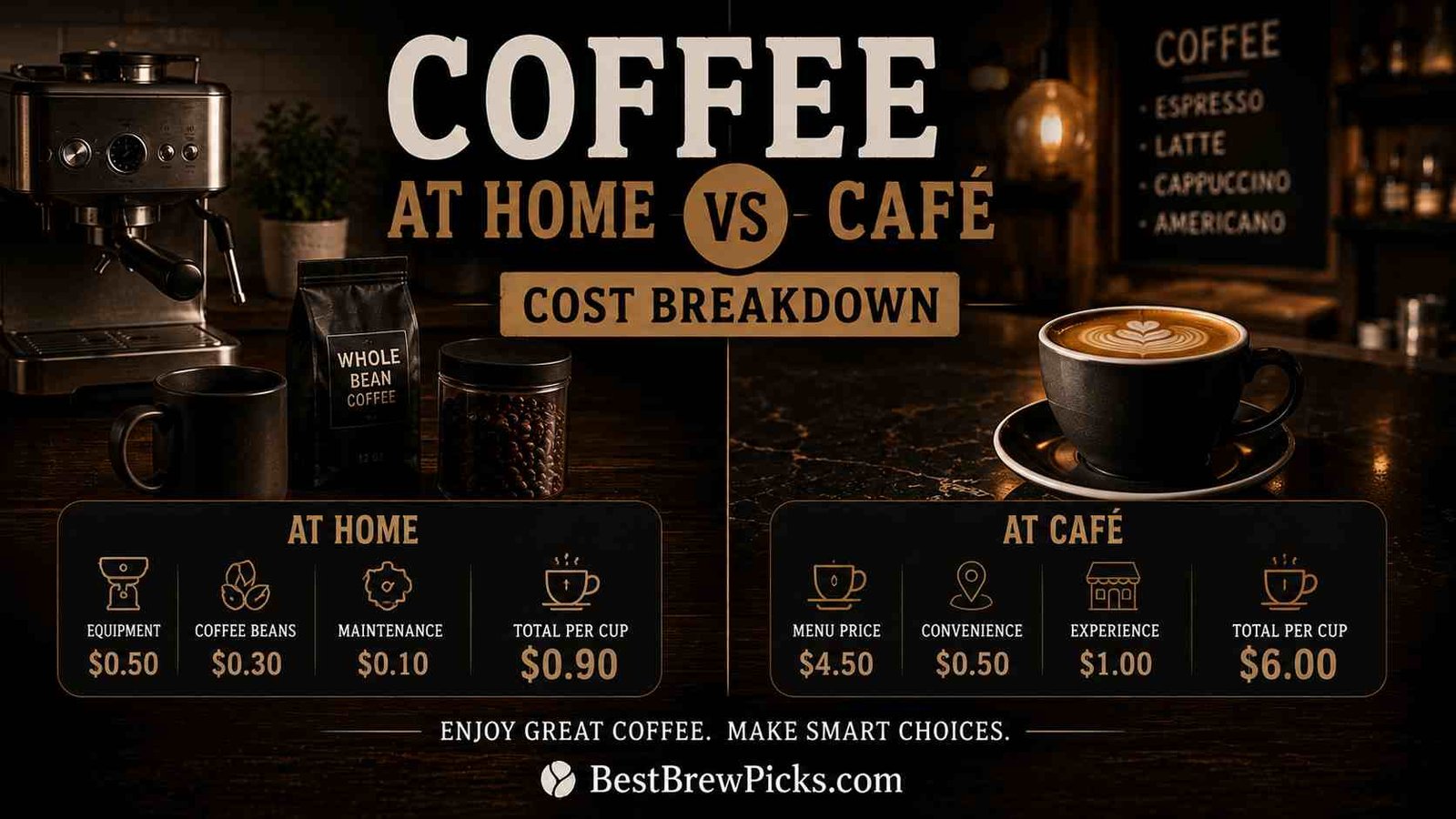
Coffee at Home vs Café: Cost Breakdown shows how much you really spend when you brew at home compared with buying coffee from a café. The answer depends on your daily habits, your equipment, and how often you buy drinks, but home brewing usually costs far less per cup once you spread out the price of your gear.
This matters because coffee spending adds up quietly. A few dollars here and there may not seem like much, but daily café visits can turn into hundreds or even thousands of dollars a year. At the same time, buying equipment for home brewing can feel expensive at first, so many people delay the switch without seeing the long-term savings. As a result, understanding the full cost picture helps you make a better decision.
This article breaks down startup costs, ongoing costs, and per-cup estimates for coffee at home and coffee from a café. It also explains where home brewing wins, where the café still makes sense, and how different brewing styles change the calculation.
What Home Coffee Costs
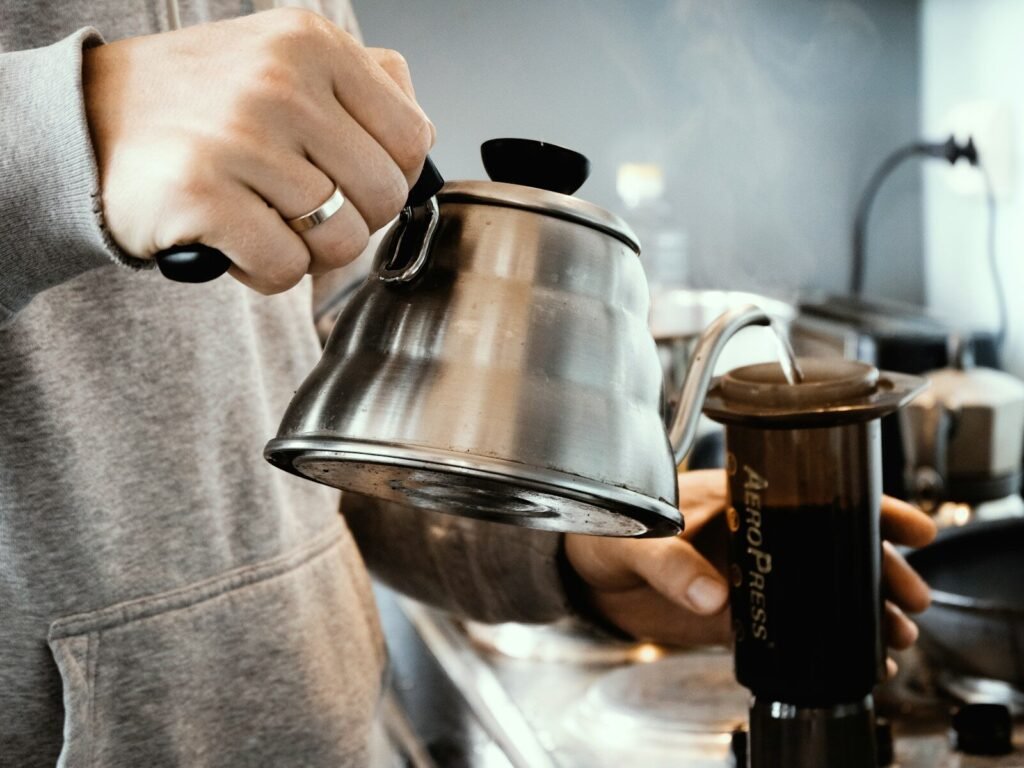
Home coffee costs come from three main areas: beans or grounds, equipment, and maintenance. Beans are the ongoing ingredient cost, while the machine, grinder, filters, and accessories create the startup cost. In many cases, the first purchase feels expensive, but the cost per cup drops quickly after that. Therefore, home brewing usually becomes cheaper the more often you use it.
A basic home setup can start small. A simple drip machine, a decent bag of coffee, and a few filters may cost very little compared with repeated café purchases. If you want more control, you may spend more on a grinder, a better brewer, or a premium espresso machine. However, even a more advanced setup can still save money over time if you brew regularly.
Maintenance also matters. Descaling solution, filters, cleaning supplies, and the occasional replacement part all add a little to your total cost. In contrast, these costs are usually modest compared with café pricing. As a result, the biggest home coffee expense is often not the coffee itself but the equipment you choose to buy first.
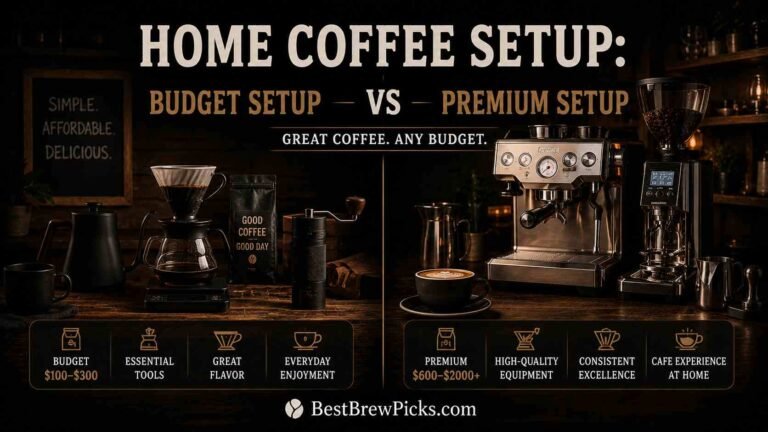
For gear planning, Home Coffee Setup: Budget vs Premium Setups helps compare the kinds of equipment that affect startup cost. If freshness matters to your calculation, Storage: How Long Does Coffee Stay Fresh? explains how to protect beans so you do not waste money on stale coffee.
Startup cost
Startup cost includes the brewer, grinder if needed, and accessories. It can range from very low for a manual setup to much higher for espresso equipment.
The more control you want, the more you usually spend up front. That is the tradeoff for better customization.
Ongoing cost
Ongoing cost includes beans, water, filters, and cleaning supplies. These costs stay relatively steady if you brew at home regularly.
Once the equipment is paid for, the per-cup cost usually drops a lot. That is where the savings show up.
What Café Coffee Costs
Café coffee costs are easier to see at the register but harder to ignore over time. A single drink may seem affordable, but a daily habit quickly becomes one of the most expensive ways to drink coffee. The total depends on whether you buy a drip coffee, an espresso drink, or a specialty drink with milk and flavor syrups. Therefore, the café route usually costs more because you pay for labor, rent, service, and convenience as well as the coffee itself.
Drip coffee at a café is usually the cheapest option on the menu, but it still costs far more per cup than brewing at home. Espresso drinks cost more because they take more skill, more equipment, and often more milk or extras. Specialty drinks can cost the most because they include add-ons, customizations, and often a premium for the experience. In contrast, home brewing gives you the drink itself without the café overhead.
You also pay for convenience at the café. You do not have to measure, grind, brew, or clean up. That convenience has real value, especially if you are short on time or if the café visit is part of your routine. As a result, café coffee is not just a beverage purchase. It is also a time and lifestyle purchase.
For machine comparisons that affect café-style drinks at home, Espresso Machine vs Coffee Maker: Which to Buy? helps you decide whether at-home espresso is worth the investment. If you want to understand how brewing style influences taste versus price, Light Roast vs Dark Roast: Taste Differences can help you match your drink style to your budget.
Price per drink
The price per drink is usually much higher at a café than at home. That difference becomes most obvious when you buy coffee every day.
Even a simple café drink can add up fast over a month. The more often you stop by, the more the total climbs.
Convenience premium
Café coffee includes a convenience premium. You pay for speed, consistency, and not having to do any brewing yourself.
That premium can be worth it when time matters more than cost. It is a lifestyle choice as much as a coffee choice.
Side by Side Cost Breakdown
The true comparison is not just sticker price versus café receipt. It is total cost over time. A home brewer may spend more in the first month because of the machine and accessories, but then the cost per cup falls sharply. A café drinker may spend less on day one but far more across months and years. Therefore, the best way to compare the two is to look at startup cost, ongoing cost, and annual cost together.
At home, a drip coffee maker or manual setup usually gives you the fastest path to savings. A more premium setup, such as an espresso machine, costs more upfront but can still be cheaper than café drinks if you use it often enough. If you only drink coffee occasionally, the savings from home brewing may be smaller. In contrast, if you drink coffee every day, the annual difference can be dramatic.
The table below gives a simple framework for comparing the two. These are general estimates, not exact prices, because equipment choices and café prices vary widely. Still, the pattern stays the same in most US households. Home coffee usually wins on long-term cost, while café coffee wins on convenience.
| Category | Home coffee | Café coffee |
|---|---|---|
| Startup cost | Low to high depending on equipment | None |
| Per cup cost | Usually much lower | Usually much higher |
| Convenience | Requires brewing and cleanup | Highest convenience |
| Customization | High if you buy the right gear | High, but usually at extra cost |
| Long-term savings | Strong if you brew often | Weak for daily drinkers |
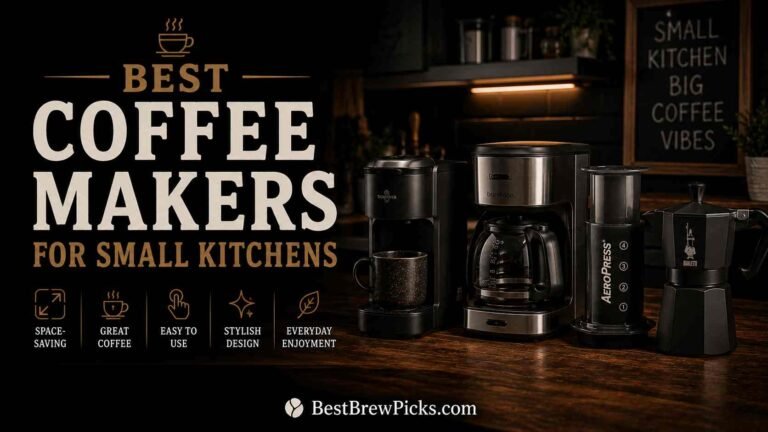
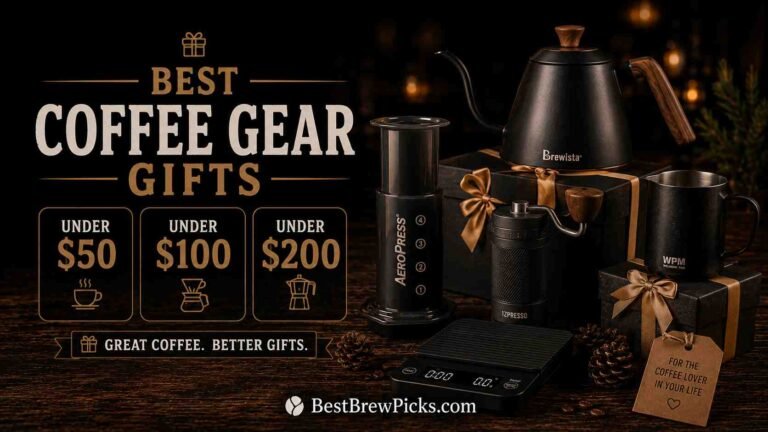
For context on how setup choices affect the long-term budget, Best Coffee Makers for Small Kitchens shows how a compact machine can lower the barrier to brewing at home. If you want storage to support lower coffee waste, Best Coffee Gear Gifts Under $50 $100 $200 includes useful tools that can improve the value of a home setup.
Daily drinkers
Daily drinkers usually save the most by brewing at home. Even a modest difference per cup becomes large over a month.
If you buy café coffee every workday, the annual total can become surprisingly high. That is where home brewing wins most clearly.
Occasional drinkers
Occasional drinkers may not save as much because they do not brew often enough to spread out the cost of equipment. In that case, a café habit may be easier to justify.
The less often you drink coffee, the less the equipment pays off. Frequency changes the math a lot.
When Home Brewing Wins
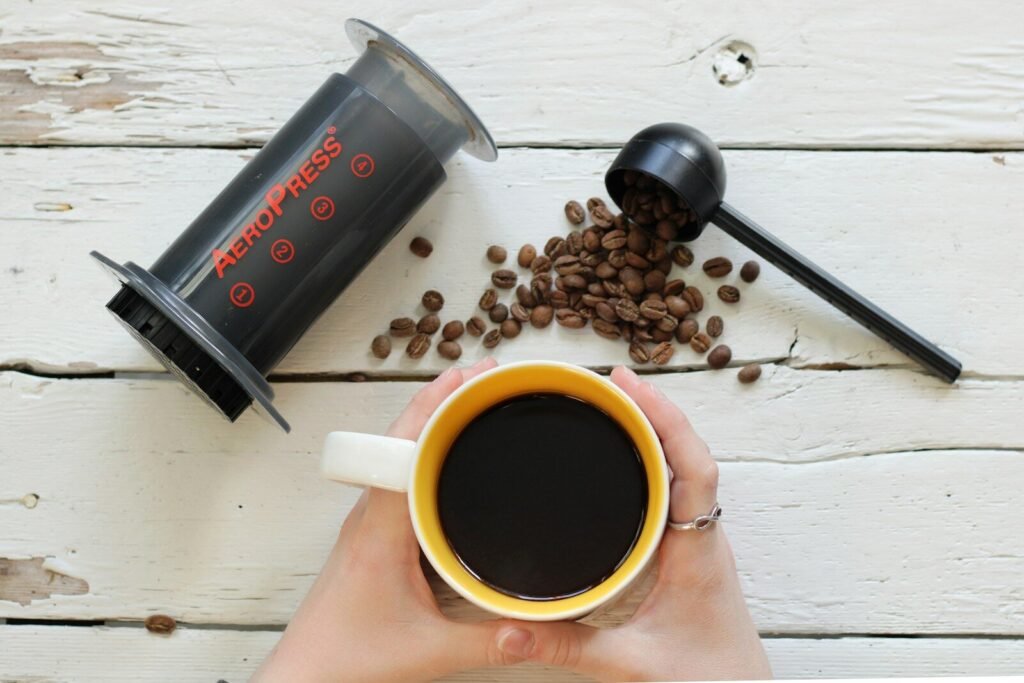
Home brewing wins when you drink coffee often, value control, and want to spend less per cup. If you brew one or more drinks every day, the savings usually become obvious within weeks or months. Even if you invest in a better machine, a grinder, or a canister, those costs often pay back over time. Therefore, home brewing makes the most sense for regular coffee drinkers who want both value and flexibility.
Home brewing also wins when you care about freshness and flavor consistency. You can choose your beans, grind size, brew ratio, and water quality. That level of control is hard to match at a café unless you are ordering very intentionally and paying more for customization. In contrast, home brewing lets you make the same cup repeatedly without depending on someone else’s schedule or recipe.
It also wins when you want to avoid impulse spending. Café visits often include an extra pastry, a larger size, or a more expensive drink than planned. At home, your cost is easier to control because you already bought the ingredients and equipment. As a result, the home option often saves more than just the price of coffee. It also reduces the odds of extra spending.
For a brewing foundation, How to Brew the Perfect Cup of Coffee helps you get more value out of every home cup. If freshness and waste are concerns, Whole Beans vs Ground Coffee: Freshness & Flavor shows how better storage and grinding habits protect your coffee budget.
Best value conditions
Home brewing gives the best value when you drink coffee daily and stick with a simple routine. The more often you brew, the faster the equipment pays for itself.
It also helps when you already have the space and time to brew at home. That reduces the friction of making the switch.
Best quality conditions
Home brewing can also beat the café on taste if you use good beans and good technique. Freshness and consistency are easier to control in your kitchen.
That makes home coffee appealing even beyond cost savings. It can simply taste better for your preferences.
When Café Coffee Wins
Café coffee wins when convenience matters more than savings. If you only drink coffee occasionally, or if you value the experience of going out, the café may make more sense. You pay for a drink that is already made, served, and cleaned up for you. Therefore, the café is often the better choice when time, social experience, or routine convenience outweighs the financial difference.
It also wins when you do not want to manage equipment or maintenance. Home coffee involves cleaning, refilling, and sometimes descaling or replacing parts. A café removes all of that work. In contrast, the home route requires more attention, even if it saves money. Some people happily trade that effort for lower cost, while others do not want the extra responsibility.
The café can also be better for specialty drinks you do not want to make yourself. If you only crave a latte or cappuccino once in a while, buying one at a café may be cheaper than buying and maintaining an espresso machine. As a result, the café can be the smarter choice for occasional indulgence, even when home brewing is the cheaper choice overall.
For espresso-style home decisions, Best Espresso Machines for Home Use helps you judge whether a home espresso setup makes financial sense. If you are thinking about compact brewing instead, Best Coffee Makers for Small Kitchens can help you keep home brewing practical.
Best convenience conditions
The café wins when speed and simplicity matter most. You do not need to own equipment or clean up afterward.
That makes it a strong choice for people who want coffee without managing a home brew routine.
Best social conditions
Cafés also win when coffee is part of a social habit. Meeting a friend or working in a café can add value beyond the drink itself.
That extra experience is part of what you are paying for. It is not just coffee in a cup.
Conclusion
Coffee at Home vs Café: Cost Breakdown shows that home brewing usually wins on long-term cost, while café coffee wins on convenience and experience. If you drink coffee daily, brewing at home almost always gives you a much lower cost per cup after the first equipment purchase.
If you only drink coffee occasionally or you value the café experience, paying for coffee out can still make sense. The best choice depends on how often you drink, how much time you want to spend brewing, and whether you want coffee as a routine, a hobby, or a convenience purchase.