
French Press Cleaning & Maintenance Tips

French Press Cleaning & Maintenance Tips cover the simple routines that keep your brewer tasting fresh, working smoothly, and lasting longer. A French press collects coffee oils, fine grounds, and stale residue in the plunger, mesh filter, and carafe after every brew, and those leftovers affect the flavor of your next cup if you skip the cleanup.
This matters because the French press is one of the most popular home brewers in the US, yet many people clean it only partially. Rinsing the carafe alone leaves oils trapped in the mesh, plunger rod, and filter plates. Over time, that residue turns rancid and adds stale, bitter notes to otherwise good coffee. As a result, a brewer that cost you money can quietly undermine the quality of your cup every single morning.
This article explains why proper cleaning matters, how to clean the French press after each brew, how to deep clean it regularly, and how to store it so it stays fresh between sessions. It also covers what to check when the plunger starts to feel stiff or the coffee starts tasting off unexpectedly.
Why French Press Cleaning Matters
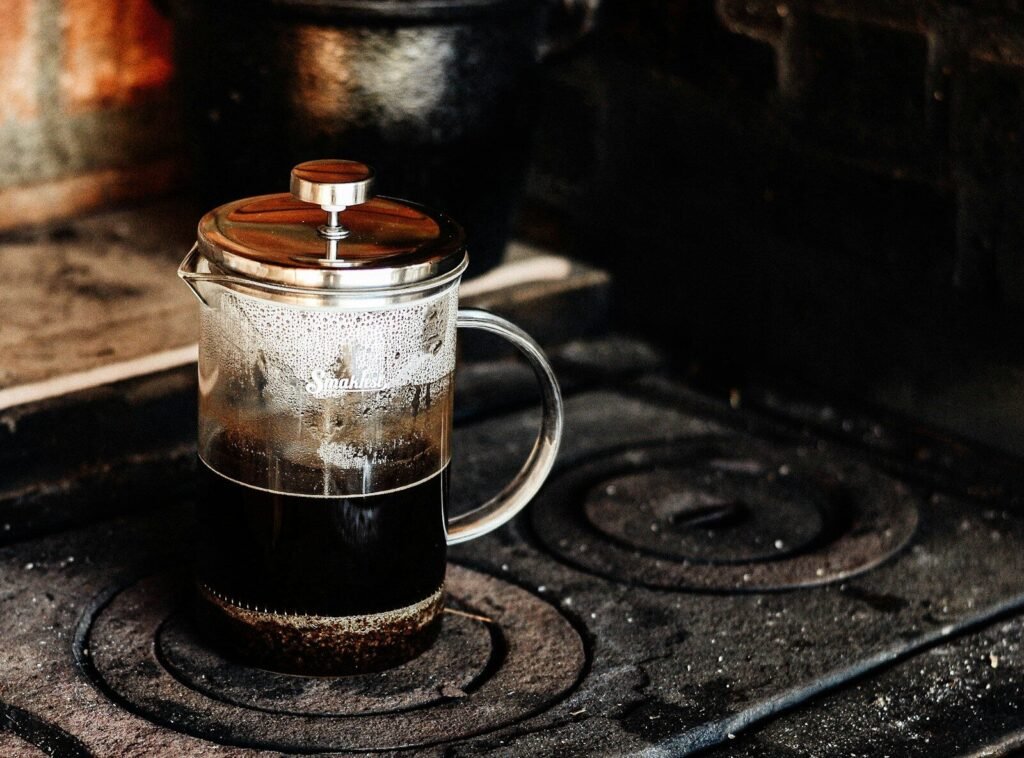
French press cleaning matters because the immersion brewing method leaves more oils and fine grounds behind than most other brew styles. Coffee oils cling to the mesh filter, the plunger assembly, and the glass or stainless walls of the carafe. Those oils oxidize quickly and create stale, musty, or bitter notes that mix into your next brew. Therefore, cleaning the French press is not optional if you want the coffee to taste the way it should.
The mesh filter deserves particular attention because it traps small grounds and oils in its layers. A simple rinse often pushes some grounds aside without removing them. Over time, those grounds can compact and restrict flow, make the plunger harder to press, and carry stale flavor into fresh coffee. In contrast, a thorough wash after each use keeps the filter clear and the flavor clean.
Cleaning also affects how long your French press lasts. Glass carafes can stain, plunger seals can degrade faster if left coated in residue, and metal mesh can corrode or warp if ground buildup goes unaddressed. As a result, regular maintenance is both a flavor decision and a practical one that protects your investment.
For context on how brew method affects cleaning needs, The Complete Coffee Guide: Machines Methods & Beans shows how immersion brewing works differently from other methods. If you want to check your brewing habits too, French Press Brewing Guide (Timing Water Temp) helps you brew better so there is less residue to manage.
What residue does to flavor
Residue adds stale coffee oil to fresh grounds. That can make even a good coffee taste dull, bitter, or musty.
If your French press coffee has tasted worse lately but you have not changed your beans, a cleaning problem is often the first thing to check. It solves more issues than most people expect.
What residue does to the brewer
Residue wears down mesh layers, stiffens plunger movement, and can stain glass permanently. Those physical changes reduce brewing quality over time.
Regular cleaning prevents most of that wear. It keeps the press working smoothly and looking cleaner.
Daily Cleaning After Each Brew
French Press Cleaning & Maintenance Tips start with the daily routine. After you finish brewing and pour your coffee, wait for the press to cool slightly, then remove the plunger and discard the grounds. Do not force the grounds down the drain in large amounts because they can clog pipes. Instead, knock them into a compost bin, trash, or coffee grounds container.
Rinse the carafe with warm water immediately. Then disassemble the plunger completely by unscrewing the filter assembly and separating the mesh screens, spiral plate, and cross plate. Rinse each part under warm running water and use a soft brush or sponge to remove oil and fine grounds from the mesh. Reassemble only after all parts are clean and rinsed properly.
Dish soap is fine for daily cleaning as long as you rinse every part thoroughly afterward. Soap residue can affect coffee flavor just as stale oils do. Therefore, rinse with warm water until no soap smell remains. If you brew daily, this routine takes about two to three minutes and prevents the buildup that leads to bigger cleaning problems later.
For related cleaning habits, Storage: How Long Does Coffee Stay Fresh? helps you connect coffee freshness to how you store and prepare the brewer. If you want to understand cleaning products, Best Coffee Descaling Solutions Reviewed helps you pick the right tools for coffee equipment care.
Disassemble every time
Disassembling the plunger every time you clean makes a meaningful difference. Grounds and oils hide between the mesh layers when you skip this step.
It only takes an extra minute, but it protects both flavor and mesh life significantly. Make it a non-negotiable part of the process.
Grounds disposal
Grounds disposal matters for your pipes as much as for your press. Sending large amounts of grounds down the drain regularly can cause clogs over time.
A compost bin or grounds collection container keeps your plumbing safer. It also gives you used coffee grounds for garden or other household uses.
Deep Cleaning the French Press
A deep clean removes the buildup that daily rinsing leaves behind. You should deep clean your French press at least once a week if you brew every day, or every few sessions if you brew less often. That routine targets the coffee oils embedded in the mesh, the stains building up on the glass, and any residue hiding in the plunger hardware.
For a deep clean, fill the carafe with warm water and a small amount of baking soda or a dedicated coffee equipment cleaning product. Let it soak for fifteen to thirty minutes. Then scrub the interior walls with a bottle brush, paying attention to the base and lower sides where staining tends to concentrate. Rinse thoroughly and check that no cleaner smell lingers.
The mesh filter needs extra attention during a deep clean. Soak the disassembled filter parts in a bowl of warm water with a little baking soda or cleaning powder. Use a soft toothbrush or small brush to work through the mesh and remove embedded oils and fine particles. Rinse each piece until the water runs completely clear. In contrast, skipping this soak leaves a layer of old oil that continues to flavor your next brew.
For an effective cleaning product reference, Best Coffee Descaling Solutions Reviewed lists options suitable for French press and other coffee equipment. If your coffee has been tasting stale despite brewing correctly, Fixing Weak Coffee: Common Brewing Mistakes helps you check whether the brewer or the brewing process needs attention.
- Deep clean at least once a week for daily brewers.
- Soak the carafe with baking soda or a cleaning product for fifteen to thirty minutes.
- Soak and scrub the mesh filter parts separately.
- Use a bottle brush for the carafe and a soft toothbrush for mesh components.
- Rinse every part until no cleaner residue or smell remains.
If your French press has a stainless steel carafe instead of glass, the deep clean process stays the same. However, avoid abrasive scrubbers because they can scratch the interior surface. Scratches create more surface area for oils to cling to, which means the problem you tried to clean up returns faster. Therefore, always use soft materials on stainless surfaces.
Storage and Long-Term Care
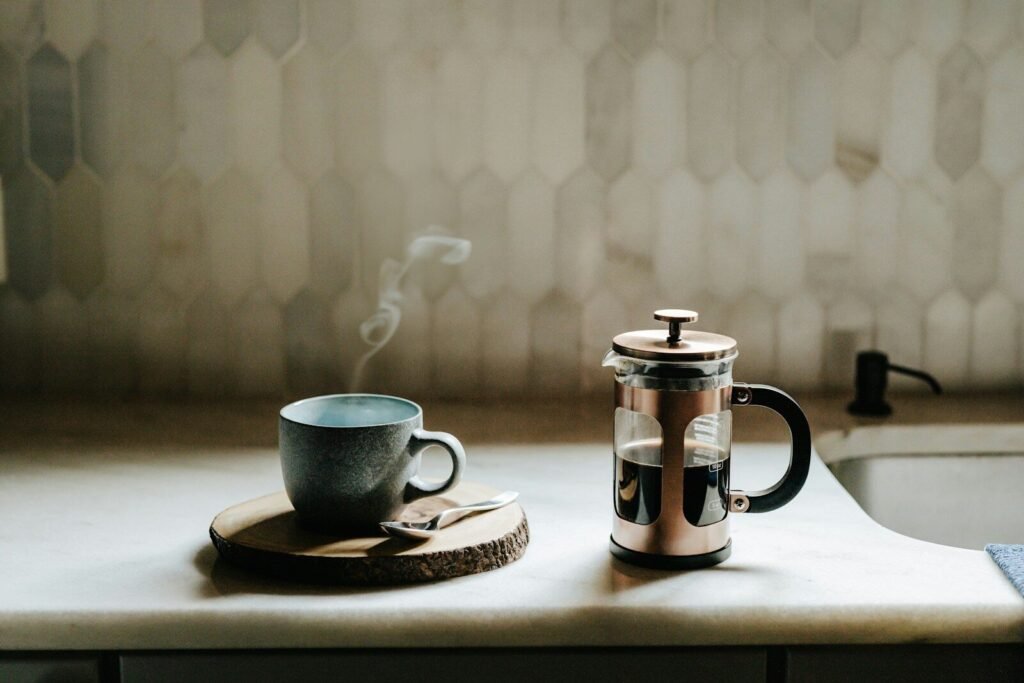
Storage matters more than most French press owners realize. If you store the press with the plunger fully pressed down, you compress the mesh and seal against the carafe for extended periods. That can degrade the seal faster and leave moisture trapped inside. Instead, store the plunger in an up position or remove it entirely and store it alongside the carafe.
Air dry all parts fully before reassembling and storing. Moisture trapped between mesh layers can encourage odors and encourage faster degradation of metal components. If you store the press in a cabinet, make sure it sits in a dry spot away from steam or humidity. That is especially important if your kitchen has high moisture from cooking or dishwashing activity nearby.
Inspect the mesh and plunger seal regularly. Over time, the mesh can tear, warp, or develop gaps that let more grounds through into your cup. A worn seal may start leaving an unusual amount of sediment in the coffee. Those changes signal that the filter assembly needs replacement. Most French press filter assemblies cost only a few dollars and are widely available, so replacing them is a practical and inexpensive fix.
For freshness context, Whole Beans vs Ground Coffee: Freshness & Flavor helps you connect equipment care with bean freshness for a better overall cup. If you want to extend good habits to other brew gear, Best French Press Reviews 2026 can help you compare models when it is time to upgrade.
How to store correctly
Store the French press disassembled and fully dry. That reduces moisture buildup and keeps components in better condition.
A clean, dry press is also faster to use the next morning. You avoid dealing with leftover moisture or a stale smell before you even start brewing.
When to replace parts
Replace the mesh filter when it tears, warps, or passes noticeably more sediment. Replace the plunger seal when it feels loose, cracked, or no longer presses smoothly.
Both parts are inexpensive and widely available. Replacing them costs far less than buying a new press.
Conclusion
French Press Cleaning & Maintenance Tips come down to three simple commitments: clean thoroughly after each brew, deep clean regularly, and store the press dry and properly assembled. When those habits stay consistent, the coffee tastes better, the equipment works more smoothly, and the press lasts much longer.
The biggest reason to follow this routine is flavor. A clean French press lets the beans, roast, and water do their job without interference from stale oil or trapped residue. That makes every cup taste closer to what the coffee was supposed to deliver.