
Best Coffee Descaling Solutions Reviewed

Best Coffee Descaling Solutions Reviewed helps you find the right product to remove mineral buildup from your coffee machine so it heats faster, brews more consistently, and lasts longer. Descaling dissolves calcium and magnesium deposits that collect inside boilers, pipes, and heating elements over time, and choosing the wrong product or skipping the process entirely can shorten your machine’s life.
This matters because most US tap water contains enough minerals to create scale inside coffee equipment within weeks of regular use. Scale acts like an insulator around heating elements, which forces the machine to work harder and heat less efficiently. As a result, brew temperature becomes less stable, shot quality drops, and internal parts wear out faster than they should.
This article explains what descaling does, which types of descaling solutions work best for different machines, how to descale correctly, and what to look for when choosing a product. It also covers how often to descale and what descaling cannot fix, so you can make smarter decisions about your coffee equipment care.
What Descaling Is and Why It Matters
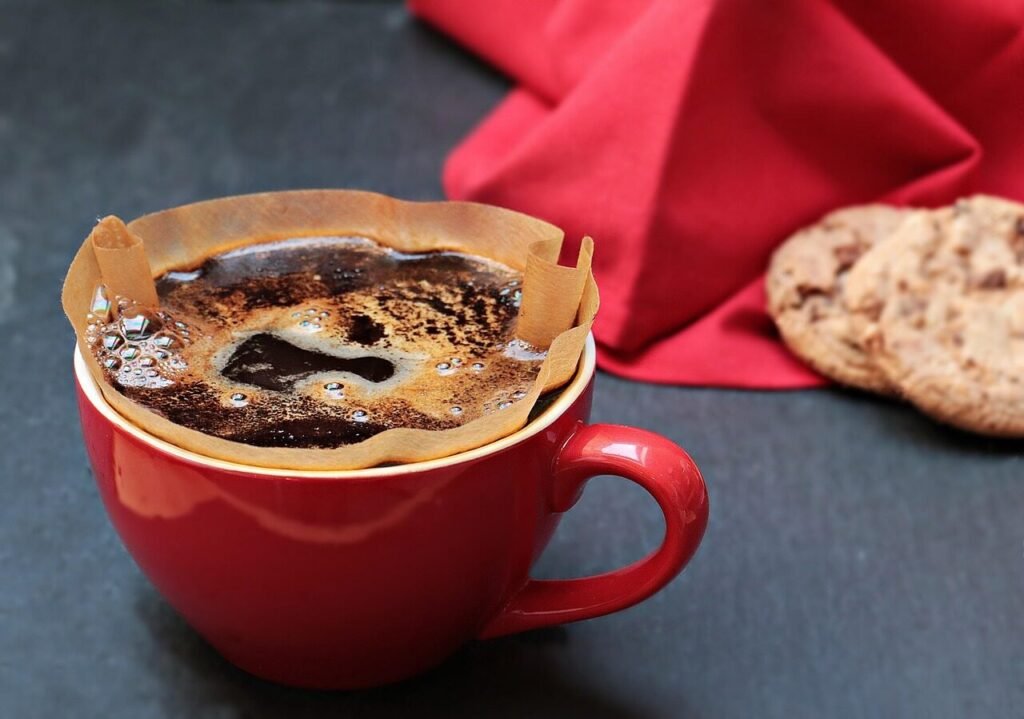
Descaling is the process of running a chemical solution through a coffee machine to dissolve mineral deposits that water leaves behind. Those deposits, often called limescale or simply scale, form when hard water heats up and leaves calcium and magnesium behind on internal surfaces. Over time, that buildup can restrict water flow, reduce heat efficiency, and affect the taste of every cup you brew.
Scale matters because it changes how the machine performs. A machine with heavy scale may take longer to heat, produce less consistent water temperature, or reduce pressure in espresso machines enough to affect shot quality. Therefore, descaling is not just a cleaning step. It is a performance step that keeps the machine working the way it should.
Flavor also suffers when scale builds up. Mineral deposits can interact with coffee oils and water chemistry in ways that make the cup taste flat, harsh, or metallic. In contrast, a properly descaled machine usually produces a cleaner, more balanced brew because the water temperature and flow stay more predictable. That is why descaling often improves cup quality even when everything else stays the same.
For a broader machine care approach, How to Clean an Espresso Machine Properly covers the full cleaning routine that descaling fits into. If you want to reduce scale from the start, Best Water Filters for Coffee Machines explains how filtered water slows mineral buildup significantly.
Why scale affects heat
Scale acts as an insulating layer around heating elements. That forces the machine to use more energy and time to reach the right temperature.
When that happens, brew temperature can drop below the ideal range. That leads to under-extraction and a flatter, weaker cup.
Why scale affects flow
Scale can narrow internal pipes and block valve openings over time. That reduces water flow and pressure throughout the machine.
In espresso machines especially, pressure changes affect shot quality directly. That is why descaling matters more in pressurized brewing systems.
Types of Descaling Solutions
Descaling solutions come in several forms: liquid concentrates, powder sachets, and pre-measured tablets. Each form does the same basic job of dissolving mineral deposits, but they differ in convenience, concentration, and compatibility with different machine types. Therefore, choosing the right form depends on your machine and how often you want to descale.
Liquid concentrates often give you more flexibility because you can adjust the dilution to match your water hardness and machine size. They tend to work well for both espresso machines and drip coffee makers. Powder sachets often come pre-measured, which removes guesswork and works well for people who want a simpler routine. Tablets offer the most convenient format because you simply drop one into the water tank and follow the machine’s descaling program.
Most descaling solutions use citric acid, lactic acid, or a combination of acids as the active ingredient. Citric acid is widely available, inexpensive, and generally safe for most machines. Lactic acid tends to be gentler and rinsed out more easily, which suits machines with sensitive internal components. Additionally, some brands use proprietary blends that manufacturers approve specifically for their own equipment. Using a non-approved product can sometimes void a warranty, so it is always worth checking the manufacturer’s recommendation first.
The table below compares the most common descaling solution types across key factors.
| Type | Active ingredient | Best for | Ease of use | Average cost |
|---|---|---|---|---|
| Liquid concentrate | Citric or lactic acid | Espresso machines and drip brewers | Moderate, requires measuring | $10 to $20 per bottle |
| Powder sachet | Citric acid blend | Most home machines | Easy, pre-measured portions | $8 to $15 for multi-pack |
| Tablet | Citric or proprietary blend | Machines with auto descale programs | Very easy, drop and run | $10 to $18 for multi-pack |
| Brand-specific solution | Proprietary blend | Machines that require brand approval | Easy, follows machine program | $12 to $25 per use |
For machine-specific context, Top Automatic Coffee Makers Reviewed helps you understand which drip machines may need regular descaling. If you want to keep scale from forming as quickly, Best Water Filters for Coffee Machines shows how water quality reduces descaling frequency.
Citric acid solutions
Citric acid solutions are widely used because they dissolve calcium deposits effectively and rinse cleanly. They also tend to cost less than brand-specific options.
However, some manufacturers recommend against citric acid for certain machines. Always check your user manual before choosing a generic product.
Brand-specific solutions
Brand-specific solutions often cost more but guarantee compatibility with the machine’s materials and internal design. They may also keep the warranty valid.
For machines with complex automatic descaling programs, using the recommended product often produces the most reliable result. That extra cost can be worth it for premium equipment.
How to Descale a Coffee Machine
How to descale a coffee machine correctly starts with reading the manufacturer’s instructions for your specific model. Descaling steps vary between machines, and using the wrong process can leave descaling solution trapped inside or damage sensitive components. Therefore, the user manual is always the first step, even if you have descaled before.
In general, the process involves emptying the water tank, mixing the descaling solution with the recommended amount of water, and running the descaling cycle. Most modern machines have a dedicated descaling mode that pauses at intervals to let the solution sit inside and work before flushing it through. That pause matters because it gives the acid time to break down deposits rather than simply flowing past them.
After the descaling cycle finishes, you usually need to run one or more rinse cycles with clean water. This step removes any remaining solution from the machine before you brew coffee again. Skipping the rinse can leave an acidic taste in the cup and may irritate some people if consumed. Therefore, complete all rinse cycles fully and do not rush them.
According to the Specialty Coffee Association, water quality plays a significant role in coffee extraction and equipment longevity. Their water quality standards recommend a total dissolved solids range that helps reduce scale without stripping minerals entirely. You can read more in the SCA Coffee Standards. That guidance helps you understand both why scale forms and how to manage it intelligently.
For general brewing improvement that supports descaling habits, How to Brew the Perfect Cup of Coffee explains how machine performance connects to cup quality. If you also clean your espresso machine regularly, How to Clean an Espresso Machine Properly gives the full maintenance framework that descaling fits within.
- Empty the water tank completely before starting.
- Mix the descaling solution at the concentration the manufacturer recommends.
- Run the full descaling cycle without interrupting it.
- Complete all rinse cycles with fresh clean water.
- Brew one small cup of plain water and discard it before making coffee.
Descaling frequency depends on water hardness and how often you brew. In areas with hard water, monthly descaling may be necessary. In areas with softer water, every two to three months may be enough. Many modern machines include a scale indicator light that tells you when descaling is needed. However, you should not wait for the light if you know your water is particularly hard or if your machine starts showing performance changes.
Choosing the Right Descaler
Choosing the right descaler starts with your machine type. Espresso machines often need a gentler solution that rinses cleanly and does not leave residue that affects pressure or flavor. Drip coffee makers and pod machines often tolerate a wider range of products because they use simpler internal systems. Therefore, match the descaler to the machine rather than buying a general-purpose product without checking compatibility first.
Next, consider your water hardness. If you live in an area with very hard water, a stronger or more frequent descaling routine may be necessary. You can test your water hardness with an inexpensive strip test or check your local water utility report. That information helps you decide whether to descale monthly or on a longer schedule.
Then think about cost and convenience. Generic citric acid powder often costs far less than brand-specific products and works well for many machines. However, if your machine is expensive or still under warranty, using the manufacturer’s recommended product may protect that investment. A $15 descaling product can prevent a much more expensive repair or replacement down the line. As a result, the cost comparison strongly favors regular maintenance over delayed action.
For a full equipment care view, Top Automatic Coffee Makers Reviewed helps you understand which machines need the most descaling attention. If you want to reduce the need for descaling over time, Best Water Filters for Coffee Machines shows how the right filter can slow scale formation and reduce the frequency of the whole process.
For espresso machines
Espresso machines benefit from gentler descalers that rinse cleanly and protect internal seals. Brand-specific or lactic acid solutions often work best.
These machines also benefit from more frequent descaling because pressure and temperature precision matter more. Scale affects espresso quality faster than it affects drip brewing.
For drip and pod machines
Drip and pod machines often tolerate citric acid solutions well. Pre-measured sachets or tablets make the process faster and easier for these simpler systems.
Many of these machines have automatic descaling reminders. Follow them rather than guessing, especially if your water hardness is unknown.
Conclusion
Best Coffee Descaling Solutions Reviewed comes down to choosing the right product for your machine, descaling at the right frequency for your water, and following the correct process every time. Scale buildup is one of the most common and most preventable causes of poor coffee flavor and premature machine failure.
A good descaling routine costs very little compared to the repairs or replacements it prevents. Once you find the right product and schedule for your setup, descaling takes only a few minutes and rewards you with better temperature stability, cleaner flavor, and a machine that keeps performing well for years longer than one that never gets descaled at all.