How to Taste Coffee Like a Professional
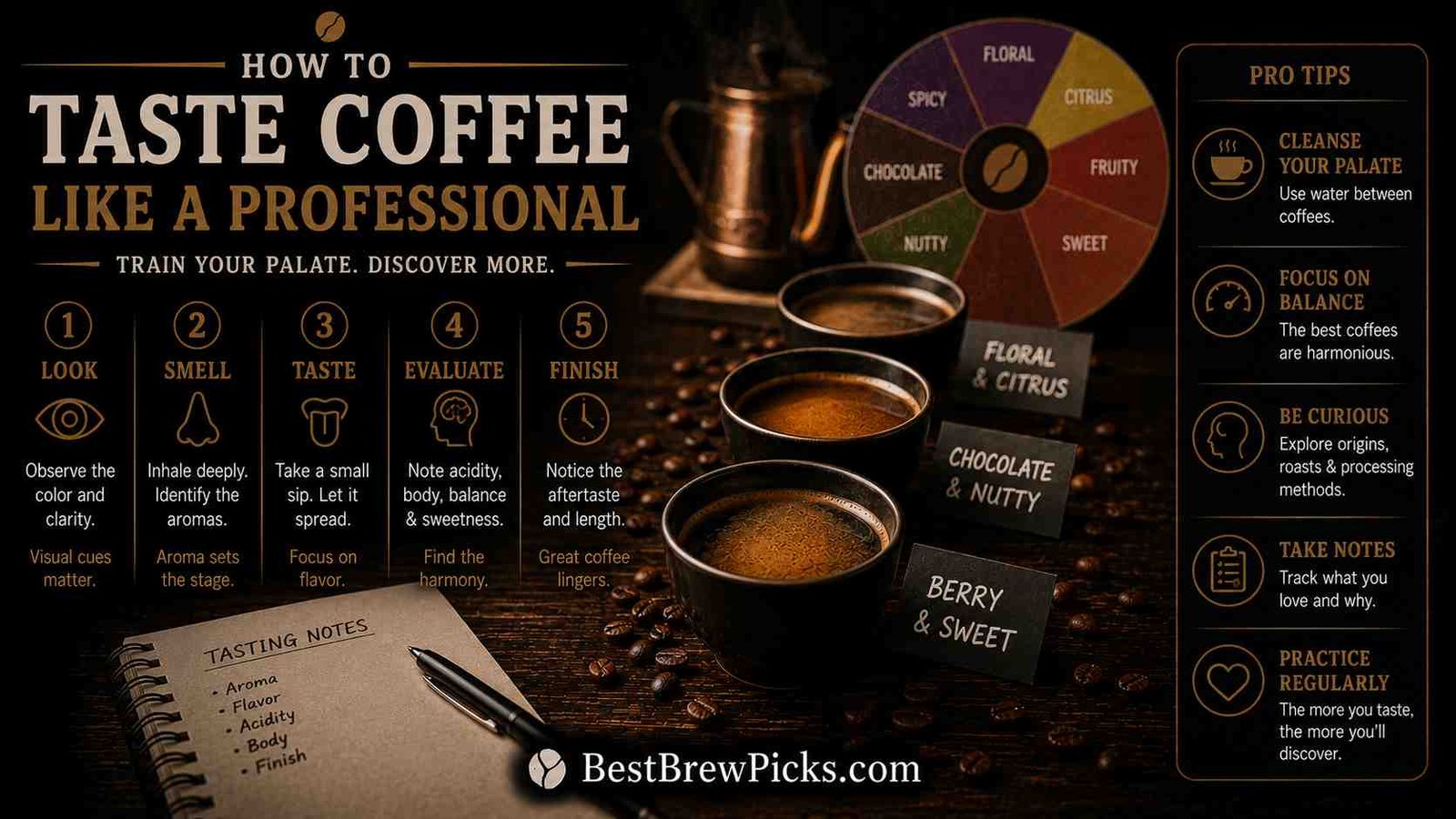
How to Taste Coffee Like a Professional means using a structured method to notice coffee aroma, flavor, acidity, body, sweetness, and finish with more accuracy. Instead of saying a cup tastes “good” or “bad,” you learn to describe what you actually sense and why the coffee tastes that way.
This matters because better tasting skills help you choose beans more wisely, brew more consistently, and spot quality problems faster. As more US coffee drinkers explore specialty coffee, single origin beans, and home brewing, a clear tasting routine makes the experience more rewarding and less confusing.
This article explains the sensory categories professionals use, a simple step-by-step tasting routine, and practical ways to train your palate over time. It also shows how tasting links to roast, brewing, and bean selection so you can apply the skill in everyday coffee drinking.
What Professional Tasting Means
Professional coffee tasting uses a repeatable structure instead of random first impressions. Tasters look at the coffee in a fixed order so they can compare cups more fairly. That structure usually includes aroma, flavor, acidity, body, sweetness, and finish. Therefore, the goal is not to sound fancy. The goal is to notice the cup clearly and consistently.
Professionals often taste in cupping sessions or in controlled brews because stable conditions make comparison easier. They try to reduce variables like grind mismatch, inconsistent water, or changing temperatures. As a result, they can tell whether a coffee itself changed or whether the brew changed the result.
You can use the same idea at home. You do not need a lab or formal certification to taste more like a professional. You only need a consistent sequence, a little patience, and enough attention to notice patterns across cups.
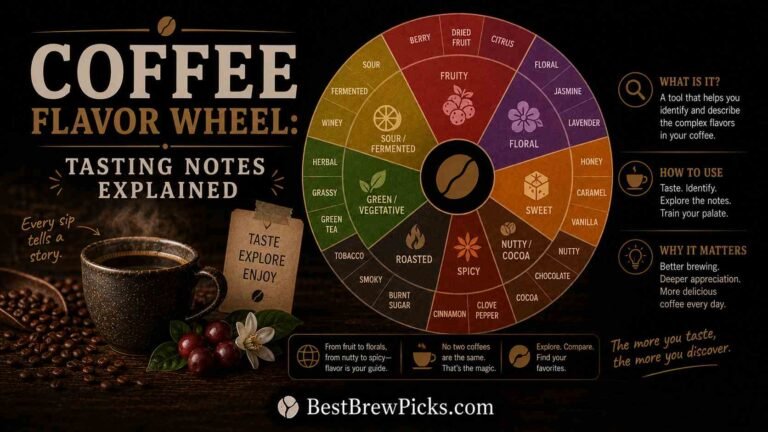
For a larger flavor framework, Coffee Flavor Wheel: Tasting Notes Explained helps you name what you notice. If you want the brewing side of the process, How to Brew the Perfect Cup of Coffee explains the basics that shape taste before you start evaluating it.
Why structure matters
Structure matters because coffee can feel overwhelming without it. One sip may seem fruity, another bitter, and another sweet, even when the same coffee sits in the cup.
A fixed order keeps you from jumping to conclusions too early. It helps you separate one sensory signal from another.
What professionals are trying to do
Professionals are trying to compare coffees clearly. They want to know how a coffee smells, how it tastes, how it feels, and how long it lingers.
That kind of detail makes it easier to judge quality and style. It also makes tasting notes more useful to buyers and brewers.
The Sensory Categories
The core sensory categories are aroma, flavor, acidity, body, sweetness, and finish. Aroma includes what you smell before and while tasting. Flavor includes the main taste impression once the coffee hits your mouth. Acidity describes liveliness and brightness. Body describes weight and texture. Sweetness describes how natural and balanced the cup feels. Finish describes what remains after you swallow.
Aroma often gives you the first clue about what the coffee contains. You may notice fruit, chocolate, nuts, flowers, spice, or toast. Flavor then confirms or changes that first impression. Acidity adds sparkle or sharpness, while body tells you whether the cup feels light, round, or heavy. Sweetness often holds everything together and keeps the coffee from feeling harsh. Finish tells you whether the aftertaste feels clean, short, bitter, drying, or pleasant.
These categories matter because they create a complete picture. If you only talk about flavor, you miss the texture. If you only talk about body, you miss brightness. Therefore, professional tasting works best when you look at the whole cup instead of one detail at a time.
For a deeper look at roast impact, Light Roast vs Dark Roast: Taste Differences explains how roast level changes flavor. For acidity specifically, Understanding Coffee Acidity & Brightness breaks down how brightness and sourness differ.
Aroma and flavor
Aroma and flavor often work together, but they do not always match perfectly. A coffee may smell fruity and taste chocolatey, or smell nutty and taste floral.
That difference is useful, not confusing. It tells you the coffee has layers worth noticing.
Acidity, body, and finish
Acidity gives coffee energy. Body gives coffee texture. Finish tells you how the experience ends.
Those three categories often reveal whether the cup feels balanced or flat. They also help you describe quality with more precision.
A Simple Tasting Routine
A simple tasting routine makes the process easier to learn. Start by smelling the coffee before you sip. Then take a small sip and let it move across your tongue. Notice the first impression, the main flavor, the acidity, the body, and the finish in that order. This sequence helps you stay organized and avoids relying on a single vague reaction.
Begin with broad descriptions. Ask whether the coffee feels fruity, nutty, floral, spicy, chocolatey, sweet, earthy, or roasty. Then narrow those impressions into something more specific. For example, fruity may become berry or citrus, while chocolatey may become cocoa or dark chocolate. You do not need to guess perfectly on the first try. The purpose is to practice noticing more detail.
Take a second sip and compare it with the first. Often the first sip gives you a quick snapshot, while the second sip reveals balance, sweetness, and aftertaste. If possible, taste the same coffee again after a short pause. That gap can make hidden notes easier to notice because your palate resets a bit.
According to the Specialty Coffee Association, brewed coffee performs well around 195 to 205°F. That temperature range helps you extract enough flavor without pushing the coffee too far. If the water runs too cool, the cup can taste weak or sour. If it runs too hot, the cup can taste harsh or bitter. That is why brew temperature matters so much when you taste coffee professionally.
For method-specific practice, Pour Over Brewing Steps: A Beginner’s Guide helps you control clarity and extraction. If you prefer a heavier cup, French Press Brewing Guide (Timing Water Temp) shows how to brew for body and balance.
- Smell the coffee before you sip.
- Take a small sip and let it coat your tongue.
- Identify the main flavor family first.
- Check acidity, body, sweetness, and finish one by one.
- Write one or two tasting notes after each cup.
Keep your notes short and specific. A few words like “berry, bright acidity, medium body, sweet finish” often help more than long paragraphs. Short notes make it easier to compare coffees later. They also train your palate to look for repeatable patterns instead of random impressions.
Brewing consistency also matters when you practice. If one cup tastes sour and another tastes flat, the issue may not be the beans. Grind size, water quality, brew time, and ratio all affect the result. Therefore, use the same equipment and the same basic recipe when you taste side by side.
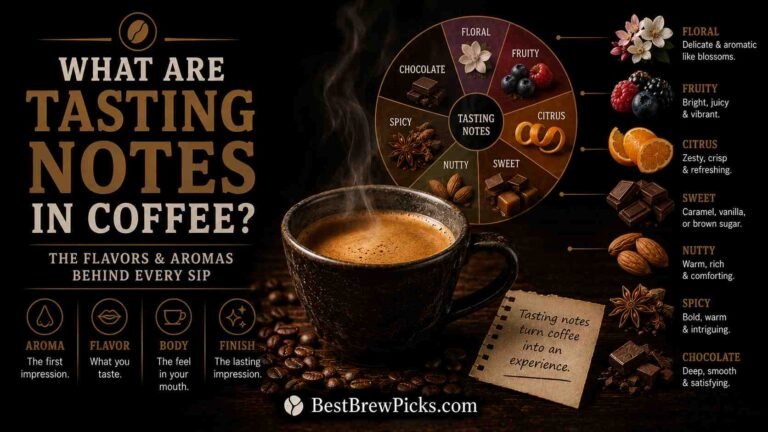
For shopping and roast context, Single Origin vs Blended Coffee: Which to Buy? helps you decide what to taste next. If you want a different flavor map, What Are Tasting Notes in Coffee? connects those notes to common descriptors.
How to Train Your Palate
How to Taste Coffee Like a Professional improves with repetition. The more often you taste in a structured way, the faster you recognize patterns. Start by comparing two coffees side by side, such as a light roast and a dark roast, or a washed and a natural coffee. That contrast makes differences easier to spot.
Use familiar reference points from foods you already know. If a coffee reminds you of orange, blueberry, hazelnut, or cocoa, write that down. These real-world associations help you remember the flavor later. They also make your notes more useful than abstract adjectives alone.
Taste at different times of day if you can. Your palate changes with hunger, fatigue, and hydration. A coffee may taste brighter in the morning and duller after a meal. That does not mean the coffee changed. It means your sensory state changed. Paying attention to that helps you become a more reliable taster.
It also helps to taste the same coffee across brew methods. A clean pour over can highlight acidity and clarity, while a French press can emphasize body and sweetness. That comparison teaches you how extraction changes flavor. Over time, you start recognizing not just the coffee itself, but also the effect of the brew.
For bean origin practice, Ethiopian Coffee: Origin Taste Brands Reviewed gives you a bright, expressive style to explore. For a broader flavor comparison, Coffee Flavor Wheel: Tasting Notes Explained helps organize what you find.
Use comparison tasting
Comparison tasting speeds up learning because your brain notices contrast more easily than isolated detail. Put two coffees side by side and compare aroma, acidity, and finish.
That simple exercise reveals more than tasting one coffee alone. It helps you understand why one cup feels sweeter or brighter than another.
Stay consistent
Consistency makes your notes trustworthy. Use the same water, the same ratio, and the same brew method when possible.
That way, you can trust that the differences you notice come from the coffee, not the setup.
Practical Value for Home Brewers
Professional-style tasting has practical value because it helps you buy better coffee and brew with more control. Once you know how to identify acidity, sweetness, and body, you can choose beans that match your preferences more easily. You can also spot when a coffee needs a finer grind, a different brew method, or a fresher roast date.
This skill also saves money over time. Instead of buying random bags and hoping for the best, you learn to match coffee style to taste goals. If you love bright cups, you can look for light roasts and origin-driven coffees. If you prefer heavier cups, you can lean toward darker roasts or brewing methods that soften acidity. Therefore, tasting skill turns coffee shopping into a smarter decision.
It also helps you understand what a coffee does not do well. A coffee with lots of brightness may lack body in a French press. A dark roast may lose origin detail in pour over. A blend may taste more balanced but less distinctive. Those tradeoffs matter because they tell you what to expect before you brew.
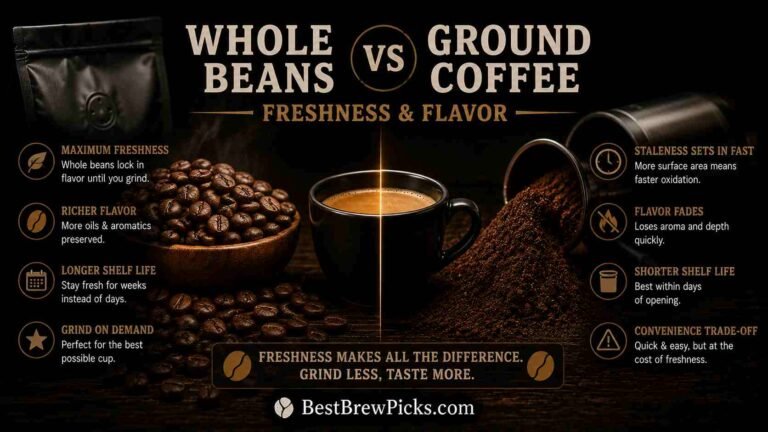
For practical buying decisions, Whole Beans vs Ground Coffee: Freshness & Flavor explains why freshness changes what you taste. If you want to think about value too, Coffee at Home vs Café: Cost Breakdown shows how better home tasting can shape your budget.
Conclusion
How to Taste Coffee Like a Professional starts with a simple shift: slow down, use a structure, and pay attention to the whole cup. Once you learn to notice aroma, flavor, acidity, body, sweetness, and finish in order, coffee becomes much easier to understand.
The reward is practical and immediate. You choose beans more confidently, brew more consistently, and explain what you taste with far more clarity. Over time, that makes every cup more interesting and every purchase more intentional.