Best Coffee Roasters by Region: US-based
Best Coffee Roasters by Region: US-based means choosing roasters according to the strengths, style, and sourcing habits that often show up in different parts of the country. Regional coffee roasters can vary in roast style, freshness, origin focus, and overall quality, so knowing what each region tends to do well helps you buy smarter.
This matters because US coffee drinkers now have more choices than ever, from small local roasters to nationally shipped specialty coffee brands. A roaster’s region can tell you something useful about climate, sourcing access, coffee culture, and how quickly beans may reach you after roasting. That context helps beginners avoid guesswork and helps enthusiasts find a style that matches their taste.
This article explains how to evaluate coffee roasters by region, what different US regions tend to do best, and how to compare freshness, roast style, and value before you buy. It also gives practical buying advice so you can pick coffee that tastes better in your cup, not just on the label.
What Regional Roasting Means
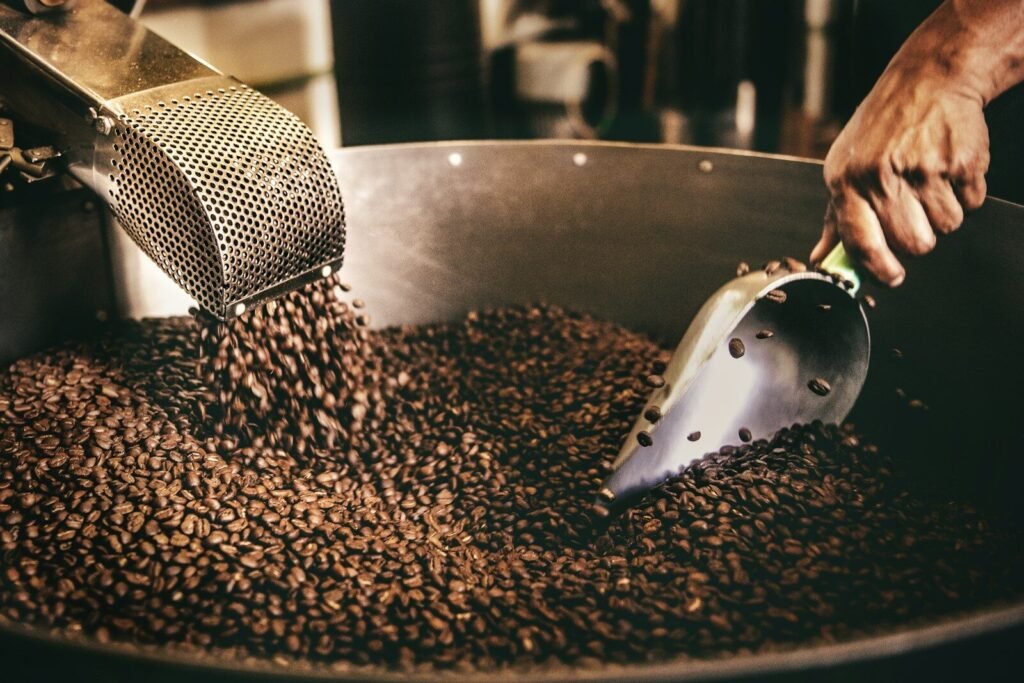
Regional roasting does not mean every roaster in one area behaves the same way. It means that certain patterns often show up because of local coffee culture, competition, access to green coffee, shipping distance, and customer preferences. Therefore, region can offer a useful shortcut when you want to narrow a long list of roasters.
Some regions lean heavily into light, origin-focused roasting. Others emphasize comfort, balance, and broad appeal. Some focus on wholesale partnerships or flagship cafes, while others build strong direct-to-consumer shipping operations. As a result, the region can influence both flavor style and buying experience.
That does not make one region better than another. It simply means you should match your expectations to the style a region often favors. If you like bright, complex coffees, you may want one type of roaster. If you prefer chocolatey, everyday drinkers, you may want another.
For a larger bean and method framework, The Complete Coffee Guide: Machines Methods & Beans gives the bigger picture. If you are still deciding between origin styles, Single Origin vs Blended Coffee: Which to Buy? helps you compare the kinds of coffees many regional roasters emphasize.
Why region matters to buyers
Region matters because it often predicts style. A roaster in a specialty-heavy market may serve a different audience than a roaster in a region that favors traditional drip coffee.
That difference can save time. Instead of browsing blindly, you can look for the style that usually matches your taste.
What region does not tell you
Region does not guarantee quality. A great roaster can operate anywhere, and a weak roaster can operate in a famous coffee city.
You still need to check roast date, sourcing, and customer feedback. Region is a clue, not a verdict.
How to Evaluate a Roaster
How to evaluate a roaster starts with freshness. Coffee tastes best soon after roasting, but not so fresh that it still needs time to settle. You should look for a visible roast date and enough packaging detail to show that the roaster handles beans carefully. If a roaster hides basic information, that usually signals a weaker buying experience.
Next, look at roast style. Some roasters emphasize light roasts that highlight origin character, while others create medium or darker profiles that feel more balanced and chocolate-forward. Neither style is automatically better. The key is whether the roaster stays consistent and clearly communicates its approach. Therefore, good labeling matters a lot.
Then consider sourcing. Roasters that talk clearly about farm, region, processing, or direct relationships often give you a better sense of what you are buying. That transparency usually matters more when you pay premium prices. However, a roaster does not need to use flashy marketing to be good. It just needs to explain its coffee honestly and roast it well.
Finally, think about value. Some roasters charge more because they buy exceptional lots or run a careful small-batch operation. Others offer solid daily drinkers at a lower cost. The best choice depends on how often you drink coffee, whether you brew one cup or several a day, and how much flavor detail you want in the cup.
For freshness guidance, Storage: How Long Does Coffee Stay Fresh? helps you judge when beans lose quality. For roast preference, Light Roast vs Dark Roast: Taste Differences shows how style changes flavor in practical terms.
Freshness and roast date
Freshness matters because roasted coffee changes quickly after processing. A clear roast date helps you buy beans at the right moment.
That detail matters even more for specialty coffee. Without it, you cannot judge whether the beans still taste lively.
Transparency and sourcing
Transparency helps you trust what you buy. When a roaster explains origin, process, and roast style, you can make a more informed choice.
That openness also helps you learn what flavors to expect. Over time, that makes buying easier and more satisfying.
Regional Strengths Across the US
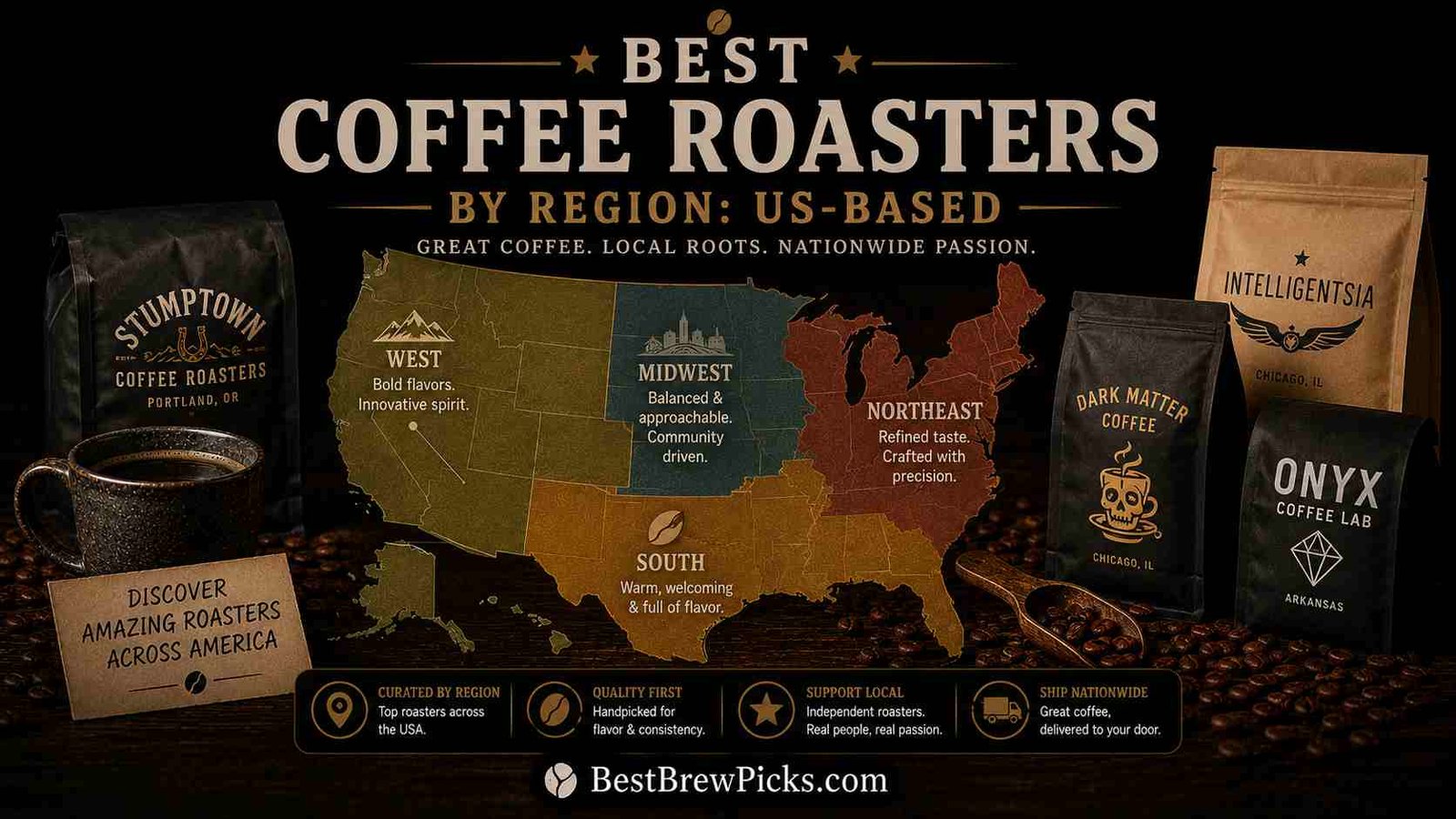
Regional strengths across the US often reflect local coffee history and customer expectations. Some regions lead with innovation and light roasting, while others lean into balance, accessibility, and broad cafe appeal. Therefore, you can use region as a rough guide to what a roaster may prioritize.
The Pacific Northwest often stands out for specialty coffee culture, strong direct sourcing, and a willingness to roast lighter for clarity. The Northeast often blends strong urban coffee scenes with high standards for consistency and service. The West Coast often supports a wide mix of experimental, origin-driven, and sustainability-focused roasters. The Midwest often brings dependable, approachable coffee with a strong everyday drinking focus. The South often offers a growing mix of traditional comfort and specialty experimentation, especially in larger metro areas.
These are tendencies, not rules. You will always find exceptions. However, the pattern can still help you decide where to start looking if you want a specific style of coffee.
The table below shows a practical way to think about regional strengths, not a ranking of quality.
| Region | Common style | Buyer advantage | Good fit for |
|---|---|---|---|
| Pacific Northwest | Light to medium light, origin focused | Strong specialty culture and clear flavor notes | Bright, complex, single origin coffees |
| Northeast | Balanced specialty and café friendly roasting | Good mix of quality and convenience | Daily drinkers and espresso users |
| West Coast | Experimental, sourcing driven, diverse profiles | Wide variety of roasters and coffees | Adventurous buyers and flavor seekers |
| Midwest | Approachable, balanced, consistent | Often dependable and value oriented | House coffee and versatile brewing |
| South | Mixed traditional and specialty styles | Growing number of good local options | Comfort coffees and newer specialty fans |
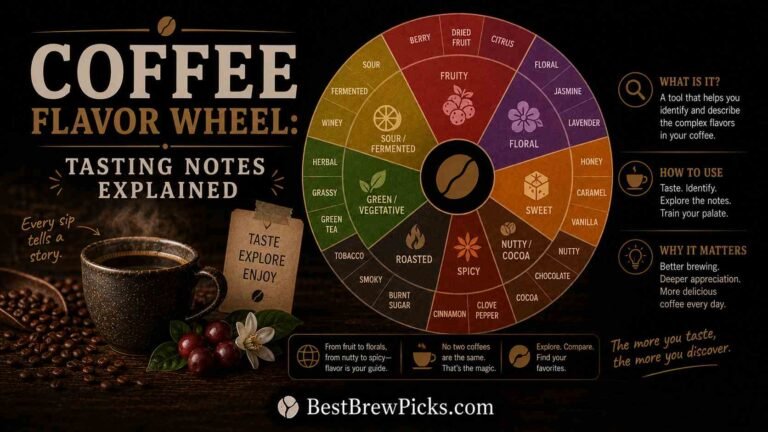
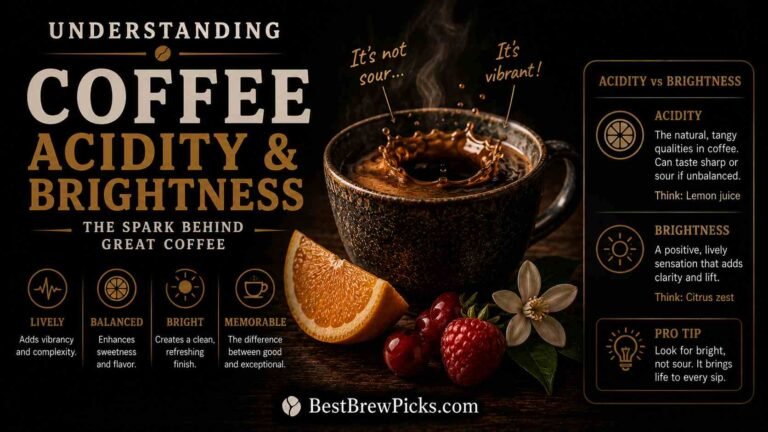
If you want to compare how roast style changes flavor in these regions, Coffee Flavor Wheel: Tasting Notes Explained can help you interpret the cup. If you care most about brightness and structure, Understanding Coffee Acidity & Brightness gives a useful sensory lens.
Pacific Northwest
The Pacific Northwest often supports highly developed specialty coffee scenes. That means more roasters tend to focus on clarity, direct relationships, and lighter profiles.
If you like expressive coffees, this region often offers a strong starting point. It can also be a good place to find seasonal single origins.
Midwest and South
The Midwest often delivers approachable, dependable roasting that suits everyday drinking. The South often offers a mix of traditional and emerging specialty options, especially in larger coffee markets.
Both regions can offer good value. They may appeal more to drinkers who want balanced cups rather than extreme flavor profiles.
Best Ways to Buy Roasted Coffee
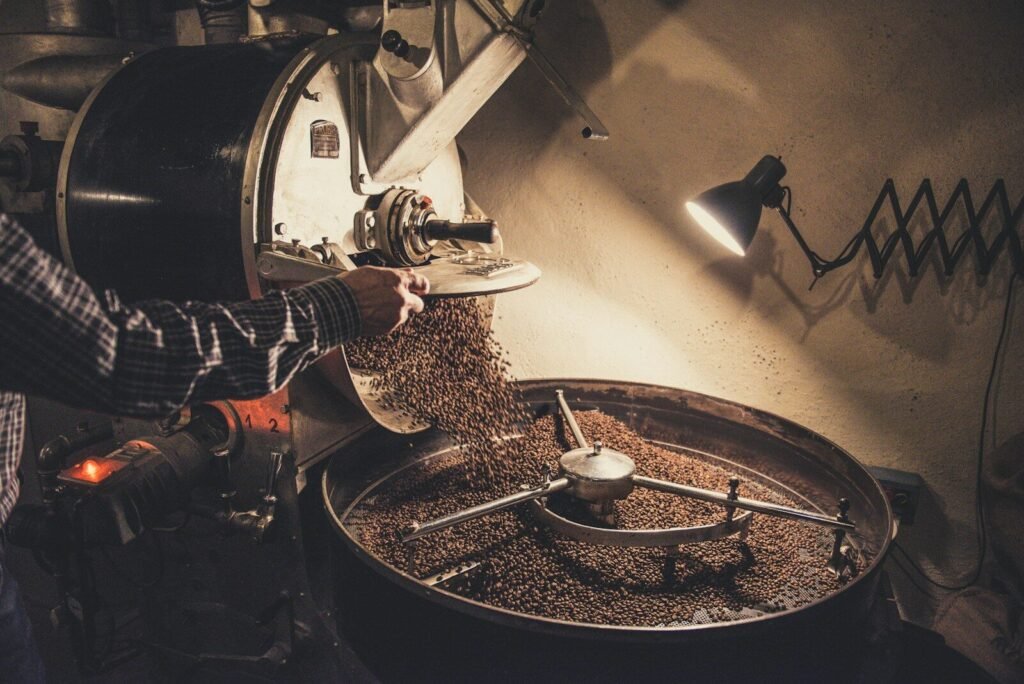
Best ways to buy roasted coffee depend on how quickly you use beans and how much variety you want. Buying directly from the roaster usually gives you the freshest coffee and the clearest roast information. It also supports small businesses more directly. However, shipping time matters, so you should check whether the coffee will arrive soon enough to fit your brewing schedule.
Local pickup can work well when you want very fresh coffee without shipping delays. It also lets you ask questions about roast style, origin, and brewing recommendations. If a roaster has a cafe, that can be even better because you can taste the coffee before buying a full bag. Therefore, local shopping works especially well for people who want confidence before committing.
Subscriptions can help if you drink coffee regularly and like discovery. They often save time and can introduce you to coffees you would not choose on your own. On the other hand, subscriptions do not always fit people who want one dependable house roast. In contrast, buying by the bag gives you more control over each purchase.
Cost should also guide your decision. A premium regional roaster may charge more, but the coffee may also taste fresher and more distinctive. A lower-cost daily coffee may be the better value if you brew many cups a week and do not need extreme complexity. Therefore, match the buying model to your consumption habits, not just the price tag.
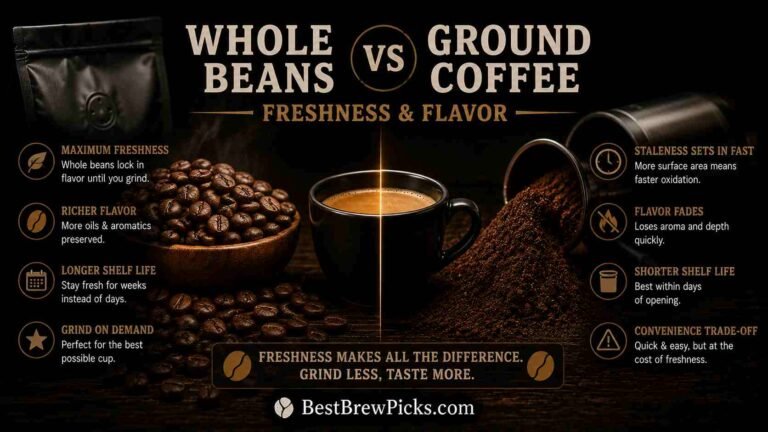
For freshness and storage, Whole Beans vs Ground Coffee: Freshness & Flavor explains why whole bean buying usually keeps flavor stronger. If you want to compare subscription-style buying with local purchasing, Coffee Subscription vs Buying Local: Pros & Cons gives a practical framework.
Direct from roaster
Buying direct from the roaster often gives you the clearest roast date and the best chance at freshness. It also helps you understand the roaster’s style.
This route works well for specialty coffee drinkers. It may be the best option if you care about exact flavor notes.
Local pickup and subscriptions
Local pickup works well when you want fast access and personal advice. Subscriptions work well when you want convenience and discovery.
Both options can fit different lifestyles. The best one depends on how much you drink and how much variety you want.
Conclusion
Best Coffee Roasters by Region: US-based is really about matching your preferences to the kind of roasting culture a region often supports. Once you know how to judge freshness, transparency, roast style, and value, regional clues become useful instead of confusing.
The most important step is still tasting for yourself. Use region as a filter, not a final answer, and you will find roasters that deliver better coffee for the way you brew and drink at home.