Whole Beans vs Ground Coffee: Freshness & Flavor
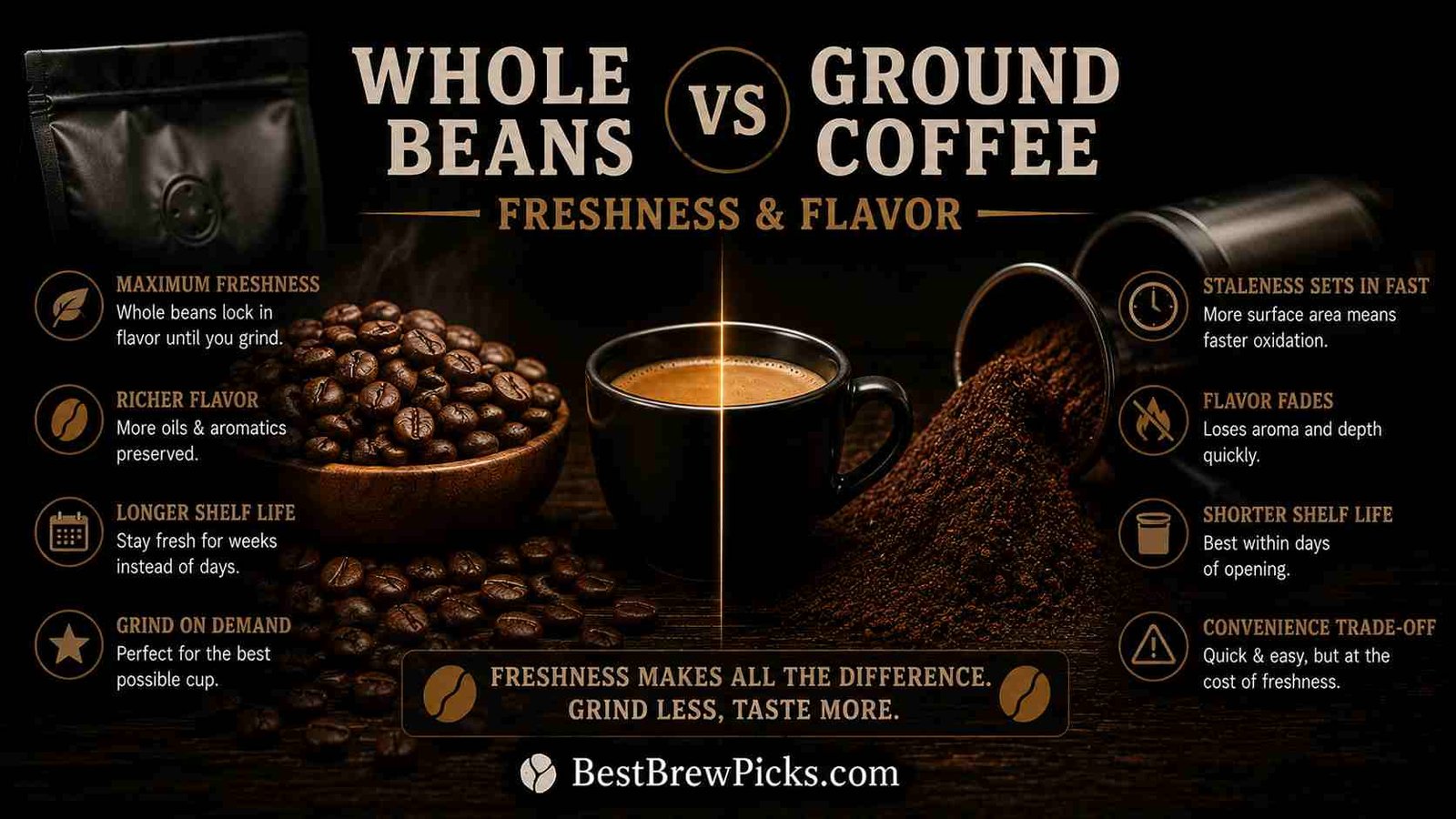
Whole Beans vs Ground Coffee: Freshness & Flavor comes down to how much surface area the coffee has exposed to air before you brew it. Whole beans keep their flavor longer because they protect the coffee’s aromatic compounds, while ground coffee loses freshness faster but gives you more convenience.
This matters because freshness affects taste in a direct way. Many US coffee drinkers buy coffee based on roast style or origin, but grind form changes the cup just as much. As more people brew at home in 2026, knowing when to choose whole beans or ground coffee helps them get better flavor, reduce waste, and match coffee to their routine.
This article explains the freshness and flavor differences between whole beans and ground coffee, when each one makes sense, and how storage and brewing habits affect the final cup. It also gives practical buying advice so you can choose the format that fits your budget, time, and taste.
What Whole Beans and Ground Coffee Are
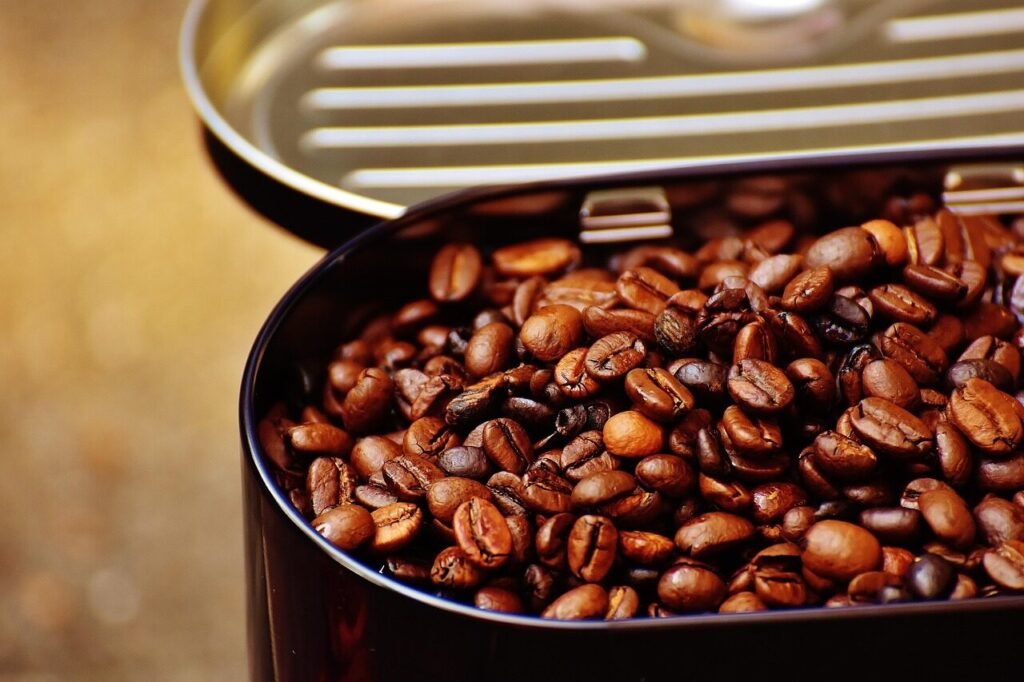
Whole beans are roasted coffee beans that stay intact until you grind them. Ground coffee is the same roasted coffee, but it has already been broken into smaller particles before you brew it. That difference sounds small, however it changes how quickly the coffee reacts to air, light, heat, and moisture.
Once coffee gets ground, many more aromatic compounds escape more quickly. The grind exposes much more surface area, which speeds up flavor loss. Therefore, whole beans usually preserve more of the coffee’s original character. Ground coffee still works well, but it starts losing freshness sooner after grinding.
This difference matters for taste because coffee flavor relies heavily on aroma. If the aromatic compounds fade, the cup often tastes flatter, less complex, and less lively. As a result, the grind form you buy can shape the cup before you even start brewing.
For a broader view of storage and freshness, Storage: How Long Does Coffee Stay Fresh? explains how time affects roasted coffee. If you want to connect grind form to your brew setup, Coffee Grinder Types Explained helps you choose a grinder that fits your method.
Why grinding changes coffee
Grinding changes coffee because it exposes more of the bean to oxygen. That speeds up aroma loss and flavor decline.
The coffee may still brew fine, but it usually tastes less vivid. That is why freshly ground coffee often smells and tastes better.
Why whole beans last longer
Whole beans last longer because the roast remains sealed inside the bean until you break it open. That gives the coffee more protection from air and moisture.
If you care about freshness, that protection matters a lot. It helps the coffee hold onto its best flavor for a longer period.
Freshness and Flavor Differences
Whole Beans vs Ground Coffee: Freshness & Flavor shows the biggest gap in the first few minutes after grinding and the days that follow. Whole beans hold aroma longer, so they often deliver a fuller, more detailed cup once you grind them right before brewing. Ground coffee begins losing those same aromatic compounds quickly, so it can taste less nuanced even if it was ground from good beans.
Freshness matters because coffee flavor depends on volatile compounds that disappear over time. A bag of whole beans can sit in your kitchen longer without losing as much character. Ground coffee, however, gives up flavor faster because it has already done the most oxygen-sensitive part of the process.
This does not mean ground coffee tastes bad by default. It can still produce a good cup, especially if you buy it fresh, store it well, and use it quickly. However, whole beans usually give you a wider margin for flavor quality.
The difference shows up most clearly in aroma, clarity, and sweetness. Whole beans often smell more vibrant and brew with a cleaner finish. Ground coffee can taste softer or more muted, especially if it has sat open for too long. Therefore, the best option depends partly on how fast you use it.
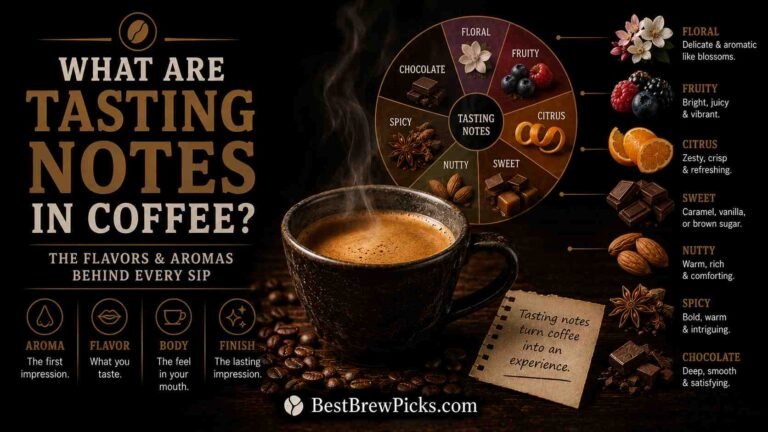
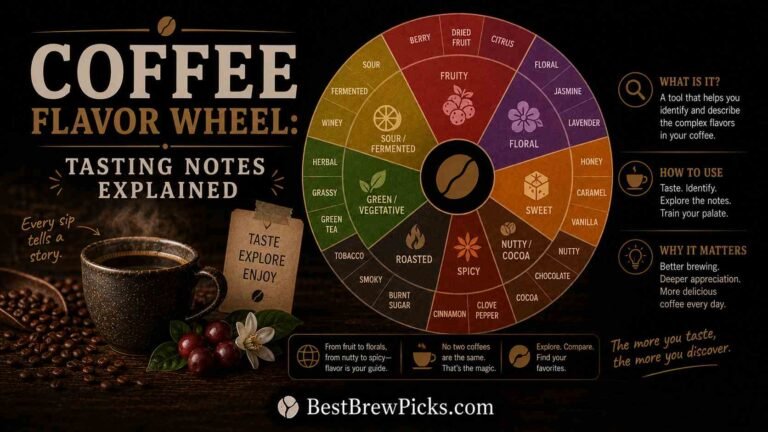
For roast context, Light Roast vs Dark Roast: Taste Differences shows how roast level interacts with freshness. For sensory language, Coffee Flavor Wheel: Tasting Notes Explained can help you identify what freshness loss changes in the cup.
Aroma
Aroma usually changes first when coffee gets stale. Whole beans keep aroma longer, while ground coffee loses it faster.
That is why freshly ground coffee often smells much stronger. The smell usually predicts how vivid the cup will taste.
Clarity and sweetness
Whole beans often deliver better clarity because they hold onto more of the original flavor structure. That helps sweetness and origin character come through more clearly.
Ground coffee can still taste pleasant, but it often loses some of that sparkle. The cup may feel flatter or more generic.
Convenience, Cost, and Use Cases
Convenience is where ground coffee often wins. It saves time because you do not need a grinder, and it makes brewing easier for busy mornings, office setups, or travel. For many people, that simplicity matters more than squeezing out the last bit of flavor. Therefore, ground coffee can be the right choice when speed and ease matter most.
Cost can also influence the decision. Whole beans sometimes cost a little more upfront if you need to buy a grinder, but they often reward you with better flavor and less waste. Ground coffee may seem cheaper and simpler at checkout, especially if you already own no equipment. However, if you go through coffee quickly, whole beans can offer better overall value because you use them at peak freshness.
Use case matters too. Whole beans work best for home brewers who want more control and better flavor. Ground coffee works well for people who brew once in a while, need a low-effort setup, or want coffee ready for guests without extra steps. In contrast, whole beans make more sense if you care about tasting notes, origin differences, or brewing precision.
For brewing control, How to Brew the Perfect Cup of Coffee helps you get more from whole beans. If you want a quicker method that still benefits from freshness, Pour Over Brewing Steps: A Beginner’s Guide shows why grind quality matters so much.
- Choose whole beans for better freshness and flavor control.
- Choose ground coffee for convenience and speed.
- Choose whole beans if you brew daily and want better value over time.
- Choose ground coffee if you drink coffee occasionally or need a simple setup.
- Choose whole beans if you want to explore tasting notes and origin differences.
Whole beans also fit better with specialty coffee habits. If you buy a single origin coffee or a limited roast, you usually want to protect the flavor as much as possible. Ground coffee can still work, but it does not do as well at preserving the details that make those coffees interesting. That is why many enthusiasts prefer to grind at home.
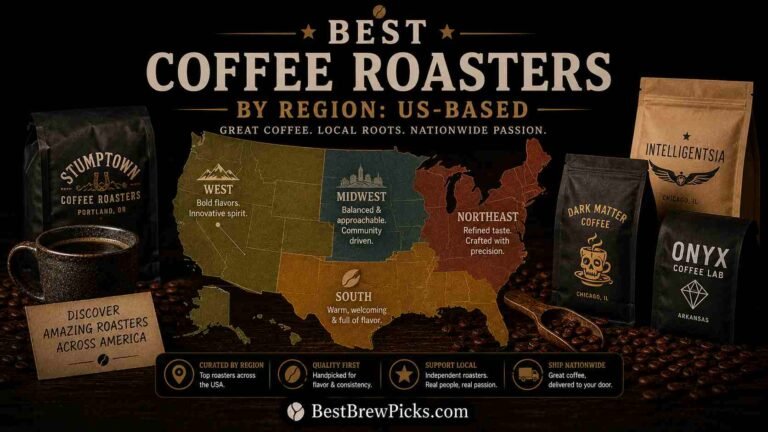
For buying decisions, Single Origin vs Blended Coffee: Which to Buy? helps you think about flavor goals. If you care about where the coffee comes from, Best Coffee Roasters by Region: US-based can help you find better roasted beans to start with.
How to Choose the Right Option
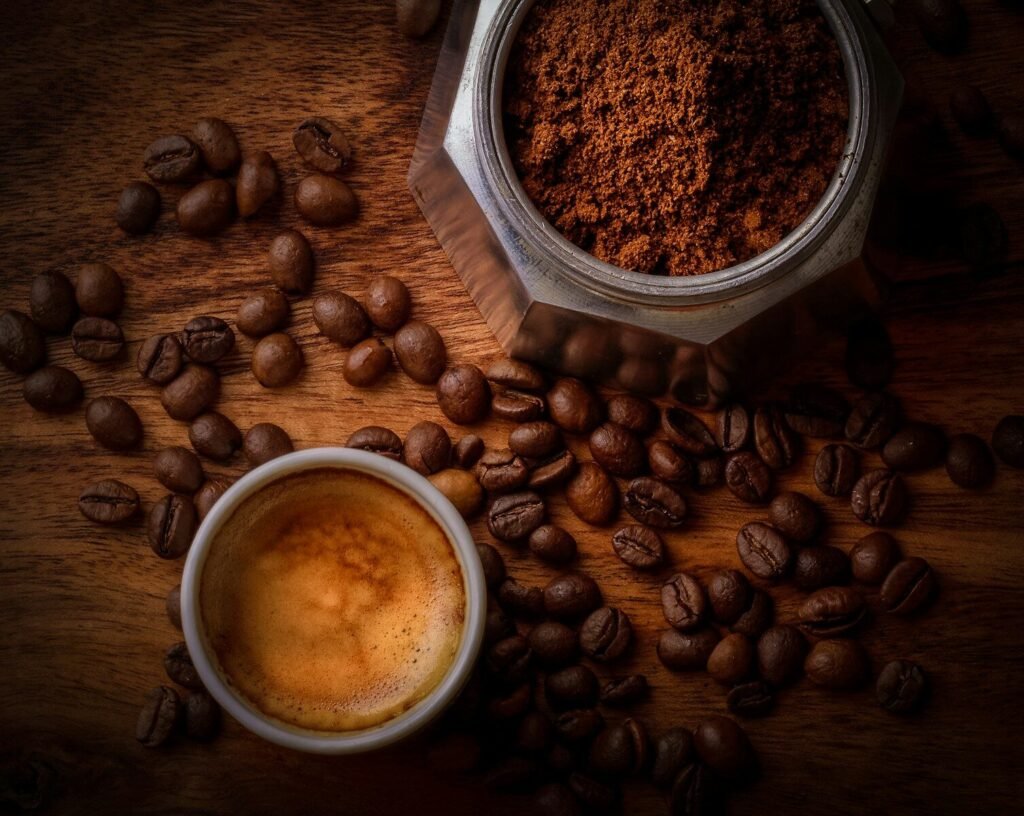
How to choose the right option starts with your routine. If you brew every day and want the best possible flavor, whole beans usually make more sense. If you brew only now and then, ground coffee may save time without creating much disappointment. The key question is how much freshness matters relative to convenience.
You should also think about your equipment. If you already own a grinder, whole beans usually give you a better return on that investment. If you do not want to buy or maintain a grinder, ground coffee keeps the process simple. Therefore, the right choice often depends on how much gear you want to manage.
Storage matters too. Whole beans still need protection from air, light, heat, and moisture, but they give you more flexibility than ground coffee. If you buy ground coffee, use it quickly and keep it sealed tightly. If you buy whole beans, grind only what you need and store the rest properly. That habit will help you keep the cup tasting better for longer.
For freshness habits, Coffee Subscription vs Buying Local: Pros & Cons can help you decide how to source coffee at the right pace. If you want a more detailed freshness guide, Storage: How Long Does Coffee Stay Fresh? explains how to protect both formats.
Best choice for flavor
Whole beans are usually the best choice for flavor. They preserve aroma and complexity better than pre-ground coffee.
If you care about taste first, whole beans usually win. They give you more control over the final cup.
Best choice for convenience
Ground coffee is usually the best choice for convenience. It saves time and removes the need for extra equipment.
If speed matters most, that simplicity can be worth the tradeoff. You just give up some freshness in exchange.
Conclusion
Whole Beans vs Ground Coffee: Freshness & Flavor comes down to a simple tradeoff between quality and convenience. Whole beans usually taste fresher, smell better, and give you more control, while ground coffee saves time and works well for low-effort brewing.
If flavor matters most, whole beans usually deserve the spot in your kitchen. If speed matters most, ground coffee can still serve you well as long as you store it properly and use it quickly. The best choice is the one that fits both your routine and your taste goals.