
Complete Guide to Espresso Pulling Shots

Complete Guide to Espresso Pulling Shots explains how to turn finely ground coffee, hot water, and pressure into a balanced espresso with sweetness, body, and crema. Pulling a shot means brewing espresso through a compact puck of coffee for a controlled time and yield, and the best results come from repeatable technique rather than guesswork.
This matters because espresso can feel intimidating at first. Small changes in grind, dose, or shot time can swing the cup from sour to bitter in seconds, which makes beginners think they need expensive gear or professional training. In reality, most home baristas improve fastest when they understand a handful of core variables and practice a simple routine consistently.
This article covers what pulling shots actually means, how espresso extraction works, and which variables matter most in daily use. It also walks through a practical step-by-step process, shows how to troubleshoot common problems, and explains what good espresso does and does not look like in the cup.
What Pulling Espresso Means
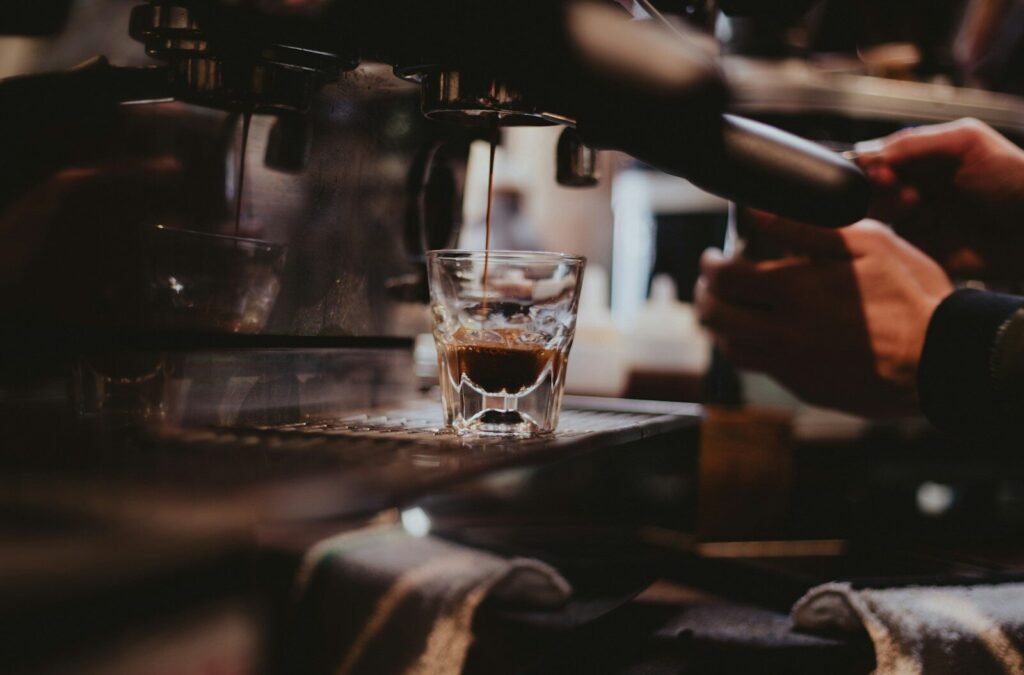
Pulling espresso means forcing hot water through a tightly packed bed of finely ground coffee under pressure. This method creates a concentrated coffee with more body and intensity than drip or pour over, and it usually brews in a much shorter time. The result should taste sweet, rich, and balanced rather than sharp, burnt, or hollow.
Espresso relies on pressure, but pressure alone does not guarantee quality. The grinder, the dose, the puck prep, and the final yield all shape the shot. Therefore, pulling a better shot usually starts with better preparation before the machine even turns on.
Most home espresso follows a brew ratio mindset. A common starting point is a 1:2 ratio, which means using 18 grams of ground coffee to produce about 36 grams of liquid espresso. That ratio is not a law, but it gives beginners a stable place to start before they adjust for roast level, taste, and machine behavior.
For the bigger home setup picture, The Complete Coffee Guide: Machines Methods & Beans explains where espresso fits among other brewing styles. If you are still choosing equipment, Best Espresso Machines for Home Use can help you pair technique with the right machine type.
Why espresso feels harder than other brewing
Espresso compresses a lot of extraction into a short brew. Because the water spends so little time in contact with the coffee, small changes in grind or puck prep have bigger consequences than they do in drip or French press.
That sensitivity is frustrating at first, but it is also what makes espresso rewarding. Once you learn the variables, small corrections can improve flavor quickly and predictably.
What a good shot should taste like
A good espresso shot should taste balanced and intentional. You should notice sweetness, some acidity depending on the roast, a syrupy body, and a finish that feels clean rather than harsh.
It does not need to taste intensely bitter to be authentic. In fact, many beginners mistake over-extracted bitterness for strength when the better shot is actually sweeter and smoother.
The Variables That Control Espresso Shots
The variables that control espresso shots are grind size, dose, yield, brew time, water temperature, and puck prep. These factors interact closely, so changing one often affects the others. Therefore, the best way to improve is to treat espresso as a repeatable process instead of a mystery.
Grind size is usually the most important variable. A finer grind slows the shot because water moves through the puck more slowly, while a coarser grind speeds the shot up. If your espresso gushes out too fast, the grind is often too coarse. If it barely drips, the grind is often too fine.
Dose refers to how much ground coffee goes into the basket. Yield refers to how much liquid espresso comes out. These two numbers create the brew ratio, which helps you compare shots objectively. For example, an 18 gram dose with a 36 gram yield gives you a classic 1:2 starting point.
Brew time helps you judge whether extraction moved too fast or too slow. Many home baristas start around 25 to 30 seconds for a standard double shot, but the exact number matters less than how the shot tastes. Additionally, water temperature and even puck prep affect the result, so you should not judge a shot by time alone.
If you want to improve the variable that matters most, Best Coffee Grinders for Espresso shows why grinder quality often limits espresso more than the machine. For a better understanding of tasting feedback, Espresso Shot Tasting: Crema Body Finish explains what changes in the cup when extraction changes.
Why grind size leads most adjustments
Grind size changes flow rate more than any other variable you can easily control. That is why experienced home baristas usually adjust the grinder first when a shot runs too fast or too slow.
This does not mean the other variables are unimportant. It means grind is usually the cleanest correction when your dose and yield are already set.
Why yield matters more than volume
Measuring espresso by volume is unreliable because crema changes how full the cup looks. Measuring by weight gives you a more consistent target and makes troubleshooting much easier.
That is why a scale matters so much in espresso. Once you weigh both dose and yield, you can repeat good shots and diagnose bad ones faster.
Complete Guide to Espresso Pulling Shots Step by Step
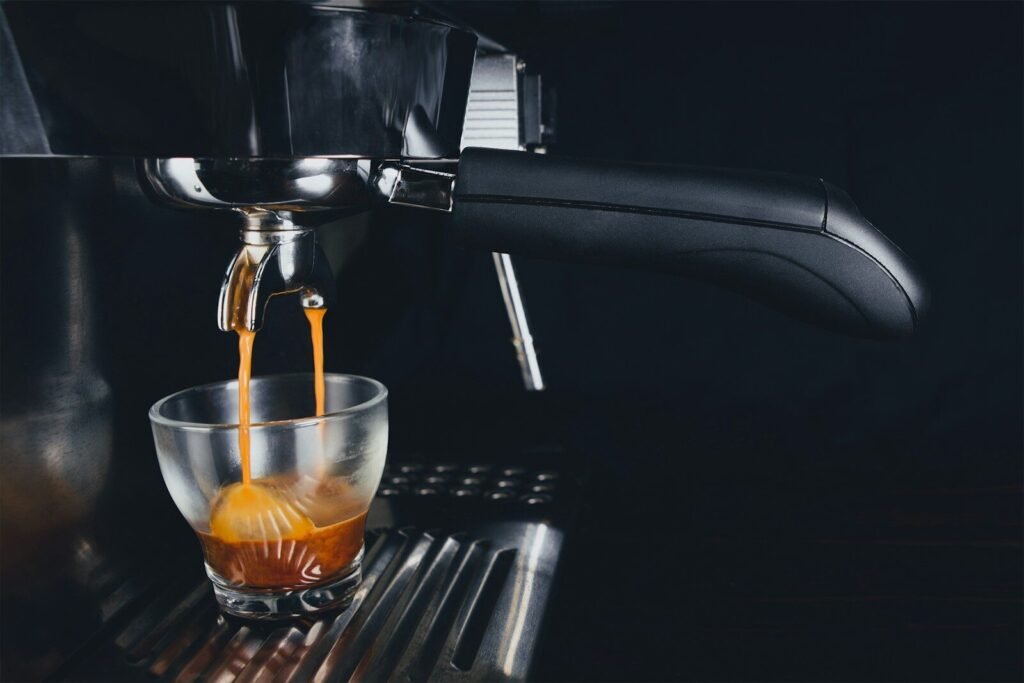
Complete Guide to Espresso Pulling Shots works best when you follow the same routine every time. Consistency gives you useful feedback, while random workflow makes every shot harder to understand.
Start with fresh beans and a warm machine. Espresso machines and portafilters need time to stabilize, so let the machine heat fully before brewing. If the machine feels ready but the portafilter is still cool, the shot can lose heat and taste flat or sharp.
Weigh your dose before grinding. A common starting point is 18 grams in a double basket, though your machine and basket size may differ. Grind the coffee fresh and aim for a fine espresso setting that creates resistance without choking the machine.
Distribute the grounds evenly in the basket before tamping. Clumps and uneven density can create channeling, which means water finds weak spots and extracts the puck unevenly. Therefore, a quick distribution step with a needle tool or gentle leveling can improve consistency more than beginners expect.
Tamp firmly and evenly so the puck sits level. The goal is not brute force but a flat, stable coffee bed that gives water an even path. Lock the portafilter into the group head and begin the shot immediately so the puck does not sit and heat unevenly.
Place a scale under the cup and track the yield. If you start with 18 grams in, aim for about 36 grams out as a baseline. Watch both the time and the flow. A good shot often begins with slow drops, then settles into a steady stream. If the shot reaches target yield far too quickly, grind finer next time. If it struggles and runs too long, grind coarser.
Taste before changing anything else. If the shot tastes sour, thin, or salty, it likely under-extracted and may need a finer grind, longer shot, or slightly higher yield. If it tastes bitter, dry, or hollow, it likely over-extracted and may need a coarser grind or shorter shot. Therefore, flavor should guide your adjustments more than appearance alone.
For a fuller brewing workflow, How to Brew the Perfect Cup of Coffee shows how extraction logic applies across all brew styles. If your setup still feels inconsistent, Coffee Scale & Accessories Worth Buying covers tools that make espresso prep more repeatable.
- Warm the machine and portafilter fully.
- Weigh the dose before grinding.
- Distribute the grounds evenly.
- Tamp level and brew immediately.
- Measure yield by weight, not by cup volume.
Common Espresso Shot Mistakes and Fixes
Most bad espresso comes from a small set of repeated mistakes. The good news is that each one has a practical fix, and once you see the pattern, dialing in becomes much less stressful.
The first mistake is using stale coffee. Espresso is concentrated, so stale beans lose sweetness fast and leave the shot tasting dull or woody. Buying fresh beans in smaller amounts usually improves results more than changing recipes every day.
The second mistake is changing too many variables at once. If you adjust grind, dose, yield, and tamp together, you cannot tell which change helped. Instead, keep dose and yield stable, then adjust grind first until the shot lands in a useful range.
The third mistake is poor puck prep. Uneven distribution, sloppy tamping, or clumpy grounds can create channeling that ruins even well-timed shots. As a result, the shot may look fast in one area, drip in another, and taste both sour and bitter at the same time.
The fourth mistake is chasing crema instead of flavor. Crema can look attractive, but it does not guarantee a better shot. A darker roast may produce more crema than a lighter roast, yet still taste harsher. Therefore, taste should stay at the center of every adjustment.
If your espresso tastes rough or overly dry, Why Your Coffee Tastes Bitter (And How to Fix It) helps you identify over-extraction issues. If cleaning and scale buildup may be part of the problem, How to Clean an Espresso Machine Properly can help restore more consistent performance.
How to read a sour shot
A sour shot usually points to under-extraction. The grind may be too coarse, the yield may be too low, or the shot may have run too quickly to dissolve enough sweetness.
Start by making the grind slightly finer. If the problem stays, try increasing the yield a little while keeping the dose the same.
How to read a bitter shot
A bitter shot usually points to over-extraction. The grind may be too fine, the shot may be too long, or the yield may be too high for the coffee.
Start by making the grind slightly coarser. Then retest with the same dose and a controlled target yield so the change stays clear.
Conclusion
Complete Guide to Espresso Pulling Shots comes down to consistency, measurement, and small adjustments guided by taste. Fresh beans, a capable grinder, stable puck prep, and a measured dose-to-yield ratio will improve espresso far more than guessing or chasing café myths.
Once you build a repeatable workflow, pulling shots becomes less intimidating and much more rewarding. Every shot gives you useful feedback, and over time that feedback turns into instinct, which is exactly how home espresso starts to feel reliable instead of random.