Single Origin vs Blended Coffee: Which to Buy?
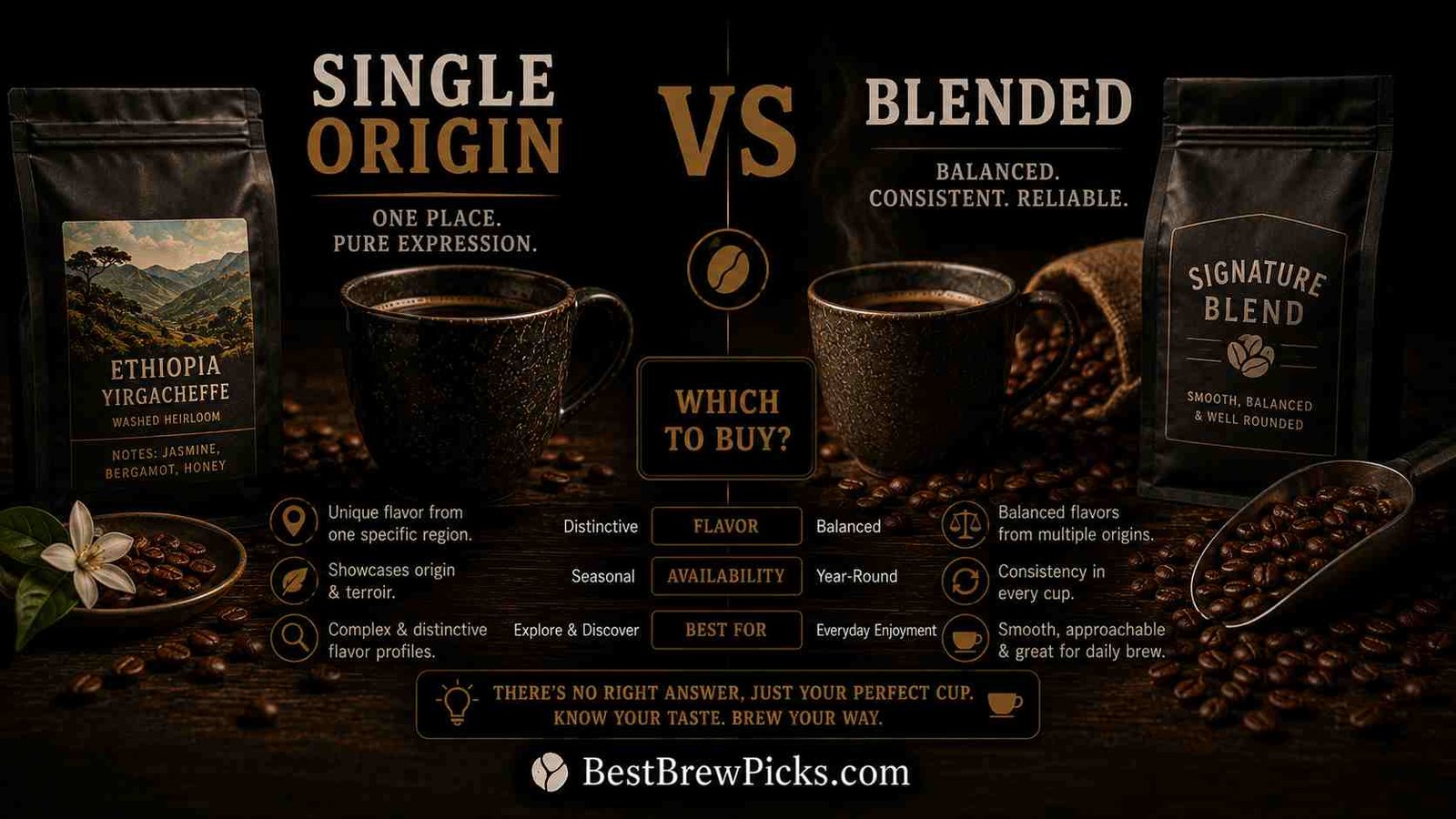
Single Origin vs Blended Coffee: Which to Buy? comes down to what you value most in your cup. Single-origin coffee usually highlights the flavor of one place more clearly, while blended coffee combines beans to create balance, consistency, or a specific taste goal. Neither option is automatically better, so the right choice depends on how you brew, what you enjoy tasting, and how much variation you want from bag to bag.
This matters because many coffee buyers see “single-origin” and assume it must be the premium choice every time. In reality, blends can be excellent, practical, and even better suited for some brew methods and routines. As more US coffee drinkers move beyond generic labels, understanding the difference helps you buy coffee that actually fits your daily habits instead of buying based only on buzzwords.
This article explains what single-origin and blended coffee mean, how they differ in flavor and consistency, which brew methods suit each one best, and how to decide what to buy. It also covers cost, freshness, and the common situations where one option makes more sense than the other.
Single Origin vs Blended Coffee Explained
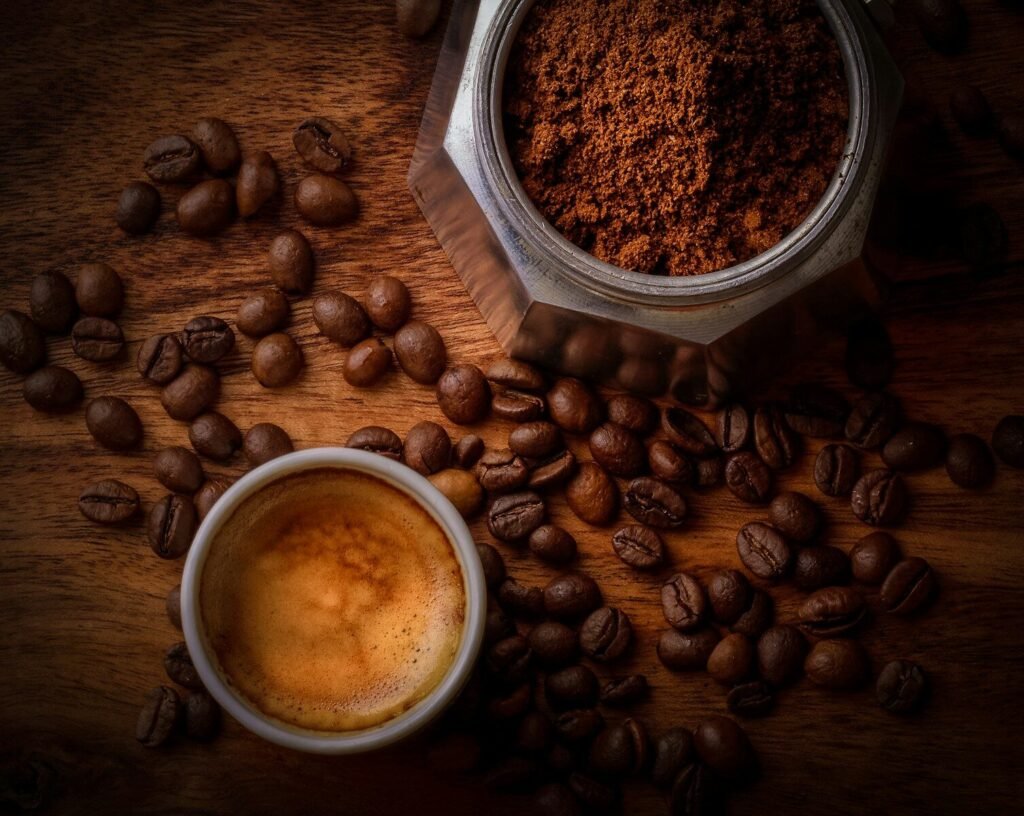
Single-origin coffee comes from one geographic source, although that source can mean a country, region, farm, or cooperative depending on the roaster. The goal is usually to showcase a more specific origin character, which can make the coffee taste more distinctive and easier to trace back to where it was grown.
Blended coffee combines beans from two or more sources. Roasters build blends to create a certain flavor profile, improve balance, increase body, soften acidity, or maintain consistency across seasons. Therefore, blends are not simply leftovers mixed together. A well-designed blend can be just as intentional as a single-origin release.
The biggest practical difference is focus. Single-origin coffee often aims to express place, while blended coffee often aims to express a recipe. That distinction shapes everything from taste and price to how the coffee behaves in your brewer.
For the broader coffee foundation, The Complete Coffee Guide: Machines Methods & Beans shows how beans and brew methods work together. If you want more background on bean type, Best Arabica vs Robusta Coffee Beans Explained helps explain another major layer of coffee buying.
Why single-origin became popular
Single-origin coffee became popular because it gives drinkers a clearer sense of origin identity. It lets roasters highlight what makes a coffee from Ethiopia, Kenya, Colombia, or Costa Rica taste different in the cup.
This appeals especially to people who enjoy tasting nuance. It turns coffee into more of a discovery experience rather than just a daily routine.
Why blends remain important
Blends remain important because they often solve practical problems very well. A roaster can combine sweetness from one coffee, body from another, and brightness from a third to create a cup that feels more stable and complete.
That makes blends especially useful for espresso and daily drip coffee. They often deliver comfort and repeatability better than highly expressive single-origin lots.
Flavor and Consistency Differences
Flavor and consistency are where single-origin and blended coffee often separate most clearly. Single-origin coffee usually tastes more specific, which can mean brighter fruit, clearer florals, sharper acidity, or a more obvious regional profile. That can make the cup more exciting, but it can also make it less forgiving if the flavor profile does not match your preferences.
Blended coffee usually aims for balance and ease. A blend might smooth out acidity, deepen body, or create a chocolate-and-caramel profile that feels familiar every morning. Therefore, blends often suit drinkers who care more about a reliable cup than about tracing every note back to a particular farm or region.
Consistency also matters in real life. Single-origin coffees can change more from season to season because they reflect specific harvests and limited lots. Blends often stay more stable because roasters can adjust components to maintain the target profile. That predictability is one reason many people prefer blends for everyday brewing.
Price can follow the same pattern. Single-origin coffee often costs more because the sourcing is narrower and the marketing emphasizes uniqueness. Blends can offer better value, especially when the buyer wants dependable flavor rather than a highly distinct origin story.
For roast context, Light Roast vs Dark Roast: Taste Differences helps explain how roast interacts with both categories. If freshness is part of your decision, Whole Beans vs Ground Coffee: Freshness & Flavor adds useful buying guidance.
When single-origin shines most
Single-origin shines most when you want to taste difference and detail. It works especially well for drinkers who enjoy comparing origins and noticing how flavor changes from one bag to the next.
That makes it a strong fit for slower, more attentive brewing. It is often less about convenience and more about exploration.
When blends make more sense
Blends make more sense when you want reliability, balance, and a cup that fits many situations. They are often the smarter choice for households where multiple people drink coffee or where the goal is simply a consistently good daily brew.
This does not make blends less serious. In many cases, they are the more practical and more satisfying option.
Which Option Works Better for Different Brew Methods
Which option works better depends heavily on your brew method. Single-origin coffee often excels in pour over because the method highlights clarity, acidity, and flavor separation well. If you want to taste floral notes, citrus, berry, or regional sweetness clearly, pour over and single-origin coffee often pair naturally.
Drip coffee can work well with both categories. A single-origin bag can make your daily cup more expressive, while a blend can make it more balanced and approachable. Therefore, drip brewers have more flexibility and can choose based on taste preference rather than strict brewing rules.
Espresso often changes the conversation. Blends frequently perform very well in espresso because roasters can design them for sweetness, body, and crema while keeping acidity under control. Single-origin espresso can be excellent too, but it is often more polarizing and less forgiving, especially for beginners dialing in shots at home.
French press usually suits fuller-bodied coffees, which often makes balanced blends or lower-acid single origins a good match. A very bright single-origin can still work, but the heavier body of French press may blur some of the detail that made the coffee special in the first place.
For brewing help, Pour Over Brewing Steps: A Beginner’s Guide explains how to get more clarity from a coffee. If espresso is your focus, Complete Guide to Espresso Pulling Shots helps explain why blends often make dialing in easier.
| Brew method | Single-origin coffee | Blended coffee |
|---|---|---|
| Pour over | Best for clarity, acidity, and origin character | Best for balance and easy drinking |
| Drip coffee | Good for a more expressive daily cup | Good for dependable all-around flavor |
| Espresso | Good for adventurous drinkers and bright shots | Best for body, sweetness, and easier dialing in |
| French press | Works best with lower-acid or fuller origins | Works well for body and comfort-focused brewing |
How to Choose What to Buy
Choose single-origin coffee if you want to explore flavor, compare regions, and taste more of what makes a coffee unique. It makes the most sense for people who enjoy slower brewing, read tasting notes, and do not mind some variation from one bag to the next.
Choose blended coffee if you want a dependable daily cup, smoother balance, or an easier espresso experience. Blends also make a lot of sense when multiple people share the same bag and not everyone wants bright acidity or experimental flavor notes.
Budget and routine should guide the choice too. If you drink several cups a day and care most about consistency, a good blend often gives better value. If you buy smaller amounts and want each bag to feel interesting, single-origin coffee may be worth the extra cost.
The best approach for many people is not choosing one forever. It is using each one for the role it fills best. A blend can carry your weekday mornings, while a single-origin bag can make weekend brewing more fun and more educational.
For buying variety over time, Best Coffee Bean Subscription Services can help you explore both styles. If you want stronger everyday brewing regardless of what you buy, How to Brew the Perfect Cup of Coffee can help you get more from the beans you choose.
- Choose single-origin for flavor exploration and origin character.
- Choose blends for balance, consistency, and daily convenience.
- Choose single-origin more often for pour over and tasting-focused brewing.
- Choose blends more often for espresso and household-friendly coffee.
- Use both if your routine includes both practical and exploratory brewing.
Conclusion
Single Origin vs Blended Coffee: Which to Buy? becomes much easier once you stop treating the choice as a quality contest. Single-origin coffee usually offers more distinction and discovery, while blended coffee usually offers more consistency and everyday flexibility.
The right answer depends on how you brew, what you like to taste, and what role the coffee needs to play in your routine. Once you match the coffee type to the job, you make better buying decisions and enjoy your coffee much more consistently.