
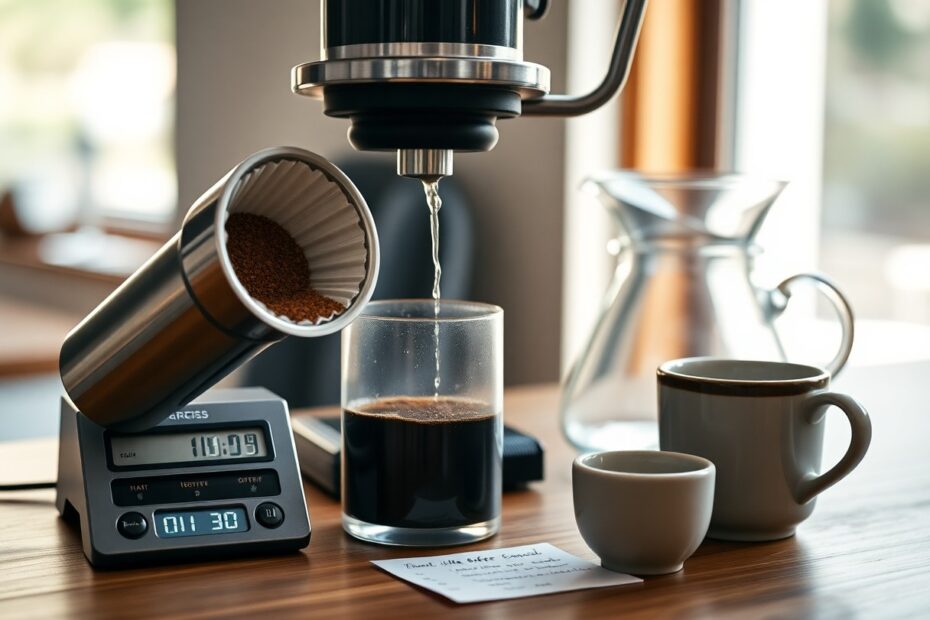
You can brew rich, smooth coffee with precision and ease using the AeroPress. This guide gives you proven recipes and clear techniques to get the most from every cup. Whether you prefer bold espresso-style shots or bright, clean brews, you’ll find methods tailored to your taste.
AeroPress Models and Equipment Types
Every AeroPress brewer shares the same core design, but subtle differences between models can influence your brewing experience. The Original AeroPress launched the immersion-style coffee revolution, offering a compact, durable build ideal for home and travel. Later iterations refined portability and included upgraded components without altering the fundamental brewing method. Each version maintains compatibility with the same filters and accessories, ensuring consistency across models.
Below is a comparison of key features across the main AeroPress types:
| Feature | Description |
|---|---|
| Original | First-generation model with a plunger, chamber, and scoop; includes 350 microfilters. |
| Go | Integrated travel mug base; slightly shorter chamber; designed for on-the-go brewing. |
| Premium | Darker tint, metal cap and filter holder, ergonomic stirrer, and funnel; same brewing capacity. |
| Filter Type | All models use standard paper filters or reusable metal/mesh alternatives. |
| Brewing Volume | Original and Premium handle up to 250ml; Go holds 220ml due to compact design. |
Recognizing which model suits your routine helps streamline your coffee ritual. Whether you prioritize durability, portability, or aesthetics, there’s a version tailored to your needs.
Comparing the Original, Go, and Premium Versions
The Original AeroPress remains a favorite for its simplicity and reliability. It features a BPA-free plastic construction, a rubber-sealed plunger, and a straightforward design that’s easy to clean and maintain. Many long-time users stick with this version because it delivers consistent results and has stood the test of time in diverse environments-from kitchens to campgrounds.
The Go model integrates a travel mug into the base, making it ideal for commuters or outdoor adventures. Its chamber is slightly shorter, limiting maximum volume, but the all-in-one design reduces loose parts. You can brew directly into the mug and seal it for transport, streamlining your morning routine without sacrificing too much control over extraction.
The Premium edition upgrades aesthetics and materials while preserving the Original’s brewing capacity. It includes a stainless steel filter cap, a refined stirrer, and a darker, more modern look. Though functionally similar, these touches appeal to users who value durability and refined ergonomics. Below is a breakdown of their differences:
| Model | Key Features |
|---|---|
| Original | BPA-free plastic, basic cap, included paper filters, no integrated mug. |
| Go | Compact chamber, built-in travel mug, lighter for portability. |
| Premium | Dark tint, metal cap and filter holder, premium stirrer and funnel. |
| Brew Time | All support 1-2 minute brews with full immersion. |
| Portability | Go excels for travel; Original and Premium better for home use. |
Essential Accessories and Filter Material Options
A well-equipped AeroPress setup goes beyond the standard kit. A gooseneck kettle gives you precise water control, especially important for inversion method brewing. A compact grinder ensures fresh, consistent particle size, directly impacting flavor clarity. Many users also add a scale with timer functionality to replicate recipes accurately, helping you fine-tune strength and extraction.
Filters play a major role in your coffee’s final character. The included paper filters produce clean, sediment-free cups by trapping oils and fines. Reusable metal or cloth filters allow more body and richness to pass through, mimicking a French press profile. Each type requires different cleaning routines-paper is disposable, while metal needs regular rinsing to prevent clogging.
Some enthusiasts use a funnel for easier transfer of grounds and a scoop with volume markings for consistency. Recognizing how each accessory influences your brew empowers you to customize your method. A complete setup enhances control, repeatability, and enjoyment, no matter which AeroPress model you use.
Filter choice affects clarity, body, and even perceived acidity in your cup. Paper filters yield a bright, tea-like coffee, ideal for light roasts. Metal filters pass more oils
Critical Factors Influencing Flavor Extraction
Brewing with an AeroPress gives you control over variables that shape the final cup. Small adjustments in grind size, water temperature, or agitation can shift flavor from bright and fruity to deep and chocolatey. You’re not just making coffee-you’re guiding how compounds dissolve from grounds into your brew.
Time and pressure also play key roles in extraction. A longer steep pulls out more compounds, but too much can lead to bitterness. The plunger’s pressure at the end adds a unique element, filtering quickly and limiting over-extraction if done right.
- Grind size affects surface area exposed to water
- Water temperature determines extraction speed
- Agitation encourages even saturation
- Brew time controls total extraction
Any change to these elements alters your coffee’s balance. Treat each variable as a dial you can fine-tune.
Optimizing Grind Size and Water Temperature
Different grind sizes expose more or less surface area, changing how quickly water extracts flavor. A finer grind slows water flow and increases contact time, often yielding a stronger, more complex cup. Too fine, though, and you risk over-extraction or clogging the filter.
Water temperature influences solubility of coffee compounds. Lower temps, around 175°F (80°C), highlight delicate acids and floral notes. Higher temps, near 205°F (96°C), extract deeper sugars and body but may pull bitter elements if combined with long brew times.
Matching grind and temperature to your beans and taste helps achieve balance. The table below shows how these factors interact:
| Grind Size | Recommended Temp |
|---|---|
| Coarse | 195-205°F (90-96°C) |
| Medium | 185-195°F (85-90°C) |
| Fine | 175-185°F (80-85°C) |
Understanding Coffee-to-Water Ratios and Agitation
Coffee-to-water ratio sets the foundation for strength and clarity. A 1:15 ratio (1g coffee to 15g water) offers a balanced cup, while 1:12 leans stronger and more concentrated. Adjusting this ratio changes body and intensity without altering extraction chemistry.
Agitation-how you stir or swirl the brew-impacts how evenly water contacts grounds. A quick stir at the start ensures saturation, preventing dry pockets that under-extract. Too much agitation, especially mid-brew, can increase fines suspension and lead to harshness.
Combining the right ratio with controlled stirring gives you predictable, repeatable results. Any inconsistency here can mask the true character of your beans.
Adjusting coffee-to-water ratios and agitation allows you to fine-tune both strength and flavor clarity. Using a 1:15 ratio as a baseline, you can experiment toward stronger or lighter brews depending on your preference. Agitation should be consistent-typically one firm stir for 10 seconds after adding water. This ensures even extraction without over-mixing, which can pull unwanted bitterness. Your technique here directly affects mouthfeel and balance, making it one of the most impactful yet overlooked steps.
Step-by-Step Brewing Foundations
Mastering the AeroPress begins with understanding its core variables. Each element-from grind size to water temperature-shapes your final cup. Consistency in these factors ensures repeatable results, allowing you to fine-tune your brew with confidence.
Your control over time, technique, and equipment interaction defines the coffee’s character. Whether aiming for brightness or body, small adjustments make noticeable differences. Practice builds intuition, turning mechanical steps into an intuitive ritual.
Below is a breakdown of foundational brewing variables to monitor and adjust:
| Variable | Recommended Setting |
|---|---|
| Grind Size | Medium-fine, like table salt |
| Water Temperature | 175°F-205°F (80°C-96°C) |
| Brew Time | 1-2 minutes (varies by method) |
| Coffee-to-Water Ratio | 1:15 (e.g., 15g coffee to 225g water) |
The Traditional Upright Method for Clarity
Placing the AeroPress on your mug with the plunger at the bottom creates a straightforward brewing path. Water flows through the coffee and filter directly into your cup, minimizing sediment and emphasizing clean, bright notes. This method suits lighter roasts and filter-style preferences.
You’ll add coffee, pour water, stir, and press without flipping. Because brewing happens in the upright position, there’s less risk of spills during setup. The shorter immersion time often results in a tea-like body with pronounced acidity.
Many baristas use this approach when speed and simplicity matter. It’s ideal for mornings when you want a quick, consistent cup without extra steps. With practice, you can highlight delicate floral or citrus notes by adjusting your pour and steep time.
The Inverted Method for Full Immersion
Flipping the AeroPress upside down-plunger down on a stable surface-lets you fully submerge the coffee from the start. This extended contact between water and grounds extracts more flavor, often yielding a richer, fuller-bodied cup. It’s especially effective with medium to dark roasts.
You add coffee and water, stir, and wait before securing the filter cap and flipping to press. This method reduces premature dripping, giving you precise control over brew time. Many users appreciate the depth and complexity it brings to their coffee.
Because the seal holds the liquid during steeping, you can take your time without worrying about leaks. Just ensure the plunger is slightly depressed to create space and avoid pressure buildup. Clean-up remains simple, and the results often feel more balanced and rounded.
One key advantage of the inverted method is the ability to fine-tune extraction without rushing. You’re not fighting gravity during the steep, so the coffee stays evenly saturated. This makes it easier to experiment with coarser grinds or longer brew times, opening up new flavor profiles that the upright method might miss. Many home brewers find this approach more forgiving and consistent, especially when chasing bold, syrupy textures or layered sweetness. Just remember to tighten the cap securely before flipping-spills are rare but messy when they happen.
Evaluating the Pros and Cons
Every brewing method brings its own set of strengths and trade-offs, and the AeroPress is no exception. While it delivers exceptional flavor clarity and versatility, it’s worth examining how it fits into your daily routine and long-term coffee goals. The following table breaks down key aspects to help you weigh its real-world performance.
Its compact design and simple mechanics make it a favorite among travelers and minimalists alike. Yet, like any tool, it has limitations that become apparent with frequent use. Understanding these factors helps you decide whether it complements your preferences or falls short in key areas.
Consider how each feature aligns with your expectations for taste, speed, and consistency. Some drawbacks may be minor inconveniences, while others could be dealbreakers depending on your lifestyle. Review the table below to see how the AeroPress stacks up.
| Portability | Fits in a backpack; ideal for travel, camping, or office use. |
| Durability | Made of BPA-free plastic; resistant to drops and daily wear. |
| Brew Time | Full brew in under 2 minutes with minimal cleanup. |
| Flavor Control | Highly adjustable with grind size, time, and pressure. |
| Capacity | Limited to 1-2 cups; not ideal for groups. |
| Learning Curve | Simple to start, but mastering variables takes practice. |
| Cleanup | Ejecting the puck is quick, but paper filters create waste. |
| Cost | Affordable upfront, but ongoing filter or metal filter costs add up. |
| Brew Consistency | Depends heavily on user technique and timing. |
| Heat Retention | Plastic chamber cools faster than metal brewers. |
Portability, Durability, and Ease of Use
Traveling with coffee gear usually means compromising on quality, but the AeroPress defies that trend. Its lightweight body fits in the palm of your hand, and every component nests neatly inside. Whether you’re in a hotel room or hiking a mountain trail, setting it up takes seconds and requires no special tools.
Dropped it on the kitchen floor? You’ll likely hear a thud, but the device will survive unscathed. The materials resist cracking under pressure and tolerate temperature swings, making it reliable in unpredictable environments. Rubber seals maintain integrity over time, and the plunger glides smoothly even after months of use.
Even if you’re new to manual brewing, the learning curve is gentle. Pressing down feels intuitive, and the entire process-from grinding to pouring-flows naturally. There’s no complicated setup or calibration, just straightforward steps that yield satisfying results with minimal effort.
Capacity Limitations and Learning Curves
Brewing for one is where the AeroPress shines, but that strength becomes a limitation when others want a cup. The standard chamber holds about 8-12 ounces, meaning you’ll need to brew multiple times for guests. This can disrupt morning routines, especially if time is tight.
While the basics are easy to grasp, achieving consistent, high-quality results demands attention to detail. Variables like grind size, water temperature, and stir technique influence the final cup more than you might expect. Small changes can lead to sour, bitter, or flat flavors if not managed carefully.
Some users adapt quickly, while others spend weeks refining their approach. There’s no single “correct” method, which encourages experimentation but can also lead to frustration. Success comes from patience and repeated practice, not just following instructions.
Mastering the AeroPress isn’t about memorizing a recipe-it’s about understanding how each variable interacts. Once you recognize how pressure affects extraction or how bloom time changes acidity, you gain real control. This depth of engagement
Maintenance and Troubleshooting Tips
Proper care ensures your AeroPress delivers consistent results over time. After each use, disassemble the device and rinse all parts with warm water to prevent coffee oils from building up. The plunger, chamber, and cap should be cleaned thoroughly, especially if using metal filters that trap fine sediment. Over time, mineral deposits from water can affect performance, so occasional deep cleaning with a mild vinegar solution helps maintain internal clarity. Assume that regular attention prevents most long-term issues.
- Always rinse components immediately after brewing
- Replace the silicone seal every 6-12 months
- Check the plunger fit to avoid air leaks
- Store the AeroPress disas游戏副本
Summing up
From above, you see that the AeroPress offers far more than convenience-it delivers precision and adaptability in coffee brewing. You control every variable, from grind size to water temperature, allowing you to fine-tune each cup to your taste. Whether you prefer a bright, clean pour-over style or a rich, espresso-like concentrate, the recipes and techniques explored give you the tools to achieve it consistently.
You’ve learned how small changes in technique-like adjusting brew time or using the inverted method-can dramatically shift flavor. The AeroPress rewards experimentation, but it also respects discipline. Your results improve when you measure carefully and repeat successful variables.
This guide equips you with foundational knowledge and creative options, but your personal preferences shape the final outcome. You are the brewer, the taster, and the judge. With practice, your hands will learn the rhythms of pressure, timing, and pouring that define a perfect AeroPress brew. Keep refining-you’re already on the path to mastery.